 Skip to content
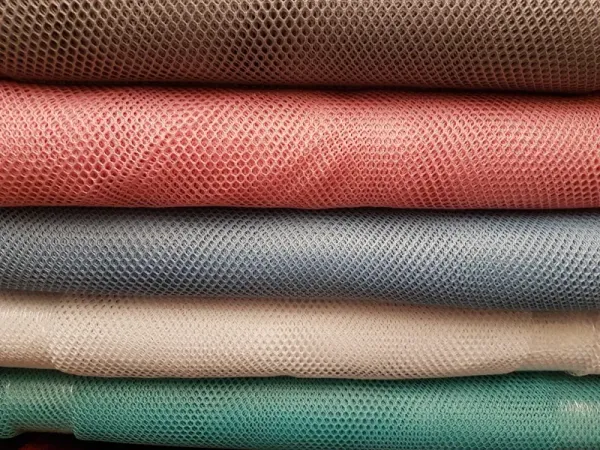
A handbag lining may be hidden from view, but it has a major influence on how a bag looks, feels, performs, and ages. The right lining protects the outer material, conceals seams, supports pockets, improves structure, and makes the interior easier to use. The wrong one can tear, stain, fade, or make an otherwise well-made bag feel inexpensive.
Choosing a lining is not simply a matter of picking an attractive fabric. Designers and buyers also need to consider abrasion resistance, weight, cleanability, colorfastness, sewing performance, cost, and compatibility with the bag’s outer material.
This guide compares five of the most commonly encountered handbag lining materials: polyester, cotton, nylon, microfiber, and leather. It also explains an important distinction that many guides overlook: terms such as satin, twill, canvas, and taffeta describe fabric structures or constructions, not necessarily fiber content.
There is no authoritative global database ranking handbag linings by market share. The materials below should therefore be understood as widely used options across mass-market handbags, handmade bags, travel products, and luxury leather goods, rather than a definitive sales ranking.
Quick Comparison of Handbag Lining Materials
| Lining material | Main advantages | Main limitations | Typical applications | Relative cost |
|---|---|---|---|---|
| Polyester | Versatile, low moisture absorption, easy to customize | Low-grade versions may feel inexpensive | Fashion handbags, cosmetic bags, totes | Low |
| Cotton | Natural feel, printable, easy to sew | Absorbs stains and moisture, may shrink | Casual bags, handmade bags, canvas totes | Low to medium |
| Nylon | Lightweight, strong, abrasion-resistant | Usually costs more than polyester | Travel bags, sports bags, lightweight handbags | Medium |
| Microfiber or suedette | Soft, protective, premium appearance | May attract lint and require careful cleaning | Premium handbags, jewelry and accessory bags | Medium to high |
| Leather or suede | Luxurious, durable, visually refined | Expensive, heavier, sensitive to stains | Luxury handbags and small leather goods | High |
What Does a Handbag Lining Do?
A good lining does much more than cover the inside of a bag. It protects the outer shell from keys, pens, cosmetics, and other objects stored inside. It hides seam allowances and reinforcement materials, provides a clean foundation for pockets and zippers, and can help a bag maintain its shape.
The lining also affects usability. A pale or medium-colored interior makes small items easier to find, while a dark lining may conceal dirt more effectively. Smooth fabrics allow belongings to slide in and out easily, whereas brushed materials provide a softer, more protective surface.
For manufacturers, the lining must also perform during cutting, sewing, bonding, and assembly. An attractive fabric is of little value if its seams slip, its coating peels, or its color transfers onto the bag’s contents.
1. Polyester: The Versatile All-Rounder
Polyester is one of the most widely used handbag lining fibers because it offers a practical balance of price, performance, appearance, and manufacturing consistency. It can be made into lightweight taffeta, durable twill, decorative jacquard, smooth satin, or heavier Oxford-style fabrics.
Its relatively low moisture absorption makes polyester easier to dry and less likely to retain water than many natural fibers. It is available in an enormous range of colors and printed patterns, and branded logos can be woven into a jacquard lining for a more distinctive interior.
Polyester is also suitable for coatings and finishes. Depending on the product, it may receive a polyurethane coating, water-repellent finish, stain-resistant treatment, or backing layer. These treatments can improve performance, but they also affect the fabric’s hand feel, breathability, odor, durability, and recyclability.
The main weakness is that quality varies considerably. A very thin polyester taffeta may wrinkle, snag, or produce a noticeable rustling sound. Poorly selected fabric can make a handbag feel less substantial, even when the outer material is good.
Polyester itself should not automatically be described as waterproof. Water resistance depends on fabric density, coatings, laminations, seams, and the construction of the finished bag.
Best for: everyday handbags, fashion bags, cosmetic bags, branded jacquard linings, and price-sensitive production.
2. Cotton: Natural, Printable, and Easy to Sew
Cotton is popular in handmade, casual, and textile-based bags. Common constructions include poplin, twill, drill, and canvas. It has a familiar, natural hand feel and is generally easy to cut, press, and sew.
One of cotton’s biggest advantages is printability. Designers can use solid colors, small patterns, illustrations, or branded prints to give a bag a distinctive interior. Medium-weight cotton twill is especially useful when a lining needs more body than a lightweight dress fabric can provide.
Cotton also has limitations. It absorbs moisture, oils, ink, and makeup more readily than many synthetic fabrics. Untreated cotton may shrink during washing, and loosely woven versions can fray or wear through at pressure points. Heavy cotton canvas is durable but may add unnecessary weight and bulk to a small handbag.
For bags intended to be washable, the lining should be tested for shrinkage and colorfastness together with the outer material. Pre-shrinking the fabric may also be necessary during development.
Best for: handmade handbags, casual totes, fabric bags, printed linings, and products designed around a natural aesthetic.
3. Nylon: Lightweight and Abrasion-Resistant
Nylon, also called polyamide in many international markets, is valued for its strength-to-weight ratio and abrasion resistance. It is widely used in travel bags, sports products, backpacks, and lightweight accessories, but it can also provide a durable lining for handbags.
Common nylon constructions include taffeta, ripstop, and Oxford fabrics. Lightweight nylon allows designers to reduce bulk without necessarily sacrificing tear resistance. This can be useful in packable products or bags containing several internal compartments.
Compared with polyester, nylon generally absorbs more moisture and may take longer to dry. Some nylon specifications can also be more sensitive to prolonged ultraviolet exposure. Actual performance, however, depends on yarn type, fabric density, dyeing, finishing, and intended use.
As with polyester, nylon is not automatically waterproof. A coating or laminate may improve water resistance, but the coating must be tested for adhesion, cracking, and hydrolysis under the product’s expected storage and use conditions.
Best for: travel bags, sports bags, lightweight crossbody bags, backpacks, and interiors requiring good abrasion resistance.
4. Microfiber and Suedette: A Soft Premium Alternative
Microfiber linings are frequently selected when a brand wants a soft, refined interior without the weight or price of genuine suede. Many are made from very fine polyester or polyester-polyamide fibers and finished to create a brushed, suede-like surface.
The soft texture helps protect jewelry, eyewear, electronics, and other delicate belongings. It can also make opening a handbag feel more luxurious, particularly when the lining color complements the outer leather.
However, “microfiber” describes fiber fineness rather than one standardized material. Two microfiber fabrics can differ significantly in composition, density, backing, coating, and durability. The term “microfiber leather” may refer to a polyurethane-coated composite, which is structurally different from a woven or knitted suedette lining.
Brushed surfaces can attract lint and may be more difficult to wipe clean than smooth polyester or nylon. Dark or saturated colors should be tested for dry and wet rubbing, especially when the bag may contain light-colored items.
Best for: premium handbags, jewelry pouches, accessory cases, electronics bags, and products requiring a soft interior.
5. Leather and Suede: The Luxury Option
Leather and suede linings are associated with premium handbags and small leather goods. They can create a rich, coordinated interior, particularly when the outer shell is also made from leather.
A well-selected leather lining can be durable and develop character with use. It may also provide enough body for structured pockets or interior panels. Suede offers a softer, more tactile finish, although it is generally more vulnerable to staining and may release surface fibers depending on the specification.
Cost, weight, and care requirements are the main disadvantages. Leather can absorb ink, oil, and cosmetics, and cleaning it incorrectly may permanently change its color or texture. It also requires specialized cutting, skiving, stitching, and edge-finishing processes.
Color transfer is a particularly important quality concern. Dark leather or suede should be tested before it is placed next to pale outer leather or used to hold light-colored belongings.
Best for: luxury handbags, structured leather bags, clutches, wallets, and other premium small leather goods.
What About Felt and Nonwoven Linings?
Felt and nonwoven materials are also common in certain price-sensitive, structured, or protective products. They can provide cushioning and body at a relatively low cost. However, quality varies widely, and lower-grade materials may pill, retain dust, compress over time, or feel less refined.
For an article aimed specifically at high-volume bag manufacturing, nonwoven materials may deserve a place among the five core categories. For a broader handbag guide, leather is more useful because of its importance in the premium and luxury market.
Material vs. Weave: Why the Difference Matters
Polyester, cotton, nylon, and silk describe fibers. Satin, twill, and taffeta describe how yarns are arranged or how a fabric is constructed. Canvas and Oxford usually refer to recognizable fabric constructions, while jacquard describes a method of creating woven patterns.
A satin lining, for example, may be made from polyester, nylon, viscose, acetate, or silk. A canvas lining may be made from cotton, polyester, or a blend. It is therefore inaccurate to compare “polyester versus satin” without identifying the satin fabric’s fiber composition.
A complete specification should state the fiber, construction, weight or yarn measurement, finish, coating, color, and relevant performance requirements.
How to Choose the Right Handbag Lining
There is no single best lining for every handbag. The right choice depends on how the product will be used.
For an affordable everyday handbag, polyester twill or taffeta usually offers a practical combination of cost, appearance, and cleanability. Cotton twill works well in casual totes and handmade bags, especially when print quality matters. Nylon is a strong candidate for travel, sports, or lightweight products. Microfiber creates a softer interior for premium accessories, while leather is appropriate when luxury, material continuity, and craftsmanship justify the additional cost.
Cosmetic bags often benefit from coated polyester or nylon because the surface is easier to wipe. Evening bags may use a synthetic satin construction for a smooth, elegant appearance. Branded jacquard polyester can give a mid-range or premium handbag a recognizable interior without the cost of leather.
Color also deserves attention. Pale linings improve visibility but reveal stains. Very dark linings conceal dirt but can make small objects difficult to find. Medium tones and small patterns often provide a useful balance.
Specifications and Quality-Control Questions
Before approving a lining, ask the supplier for more than a fabric name. A useful specification should cover:
- Fiber composition and fabric construction
- Weight in GSM and, where relevant, yarn denier or thread-density information
- Coating, backing, lamination, or stain-resistant treatment
- Abrasion, tear strength, and seam-slippage performance
- Dry and wet rubbing colorfastness
- Shrinkage and dimensional stability
- Pilling, snagging, and fraying behavior
- Odor, restricted substances, and applicable market requirements
- Usable width, minimum order quantity, lead time, and batch color tolerance
GSM, denier, and labels such as 190T are not interchangeable. GSM measures fabric mass per unit area, denier measures yarn linear density, and “T” descriptions generally relate to thread density. None of these figures alone proves that one fabric is stronger or better.
Testing should reflect the finished product. A lining that performs well by itself may behave differently after it is bonded, stitched, folded, or placed in contact with leather, adhesives, reinforcements, and metal hardware.
Relevant methods may include the ISO 12947 series for fabric abrasion, ISO 13937 for tear properties, ISO 13936-2 for seam slippage, ISO 105-X12 for rubbing colorfastness, and ISO 11640 for the rubbing colorfastness of leather.
Are Recycled and Bio-Based Linings More Sustainable?
No fiber is automatically sustainable in every application. A lining’s environmental impact depends on raw materials, processing, dyeing, chemical finishes, durability, manufacturing waste, product life, and end-of-life options.
Recycled polyester and nylon can reduce demand for virgin fossil-based inputs, but coatings and multi-material laminations may make recycling the finished bag difficult. Organic or recycled cotton can support a different sourcing strategy, but cotton linings may still require dyes, finishes, water, and energy. Leather requires careful consideration of traceability, tanning chemistry, durability, and facility-level environmental practices.
Certifications should be described precisely. Textile Exchange standards can support verified recycled-content and chain-of-custody claims. OEKO-TEX STANDARD 100 addresses testing for harmful substances; it does not, by itself, prove that a material is organic, recycled, biodegradable, or carbon-neutral. Leather Working Group audits leather manufacturing facilities, but a facility rating should not be presented as blanket proof that a finished handbag is sustainable.
The most credible claims are specific, traceable, and supported by documentation.
Frequently Asked Questions
What is the best all-purpose handbag lining?
Polyester twill is often the most practical all-purpose choice because it balances durability, cost, appearance, and ease of care. The correct weight and finish still depend on the bag.
Is polyester or cotton better for bag lining?
Polyester is generally easier to dry and more resistant to everyday moisture. Cotton offers a more natural feel and excellent printability but absorbs stains more readily. Neither is universally better.
What lining is used in luxury handbags?
Luxury handbags may use leather, suede, microfiber, premium woven textiles, or custom jacquard linings. Material choice varies by brand, construction, and price position.
Is satin a handbag lining material?
Satin is a weave, not a fiber. A satin handbag lining may be made from polyester, nylon, viscose, acetate, or silk.
Which handbag lining is easiest to clean?
Smooth coated polyester or nylon is often easier to wipe clean than cotton, suede, or brushed microfiber. Care instructions should be validated for the complete bag.
Does a polyester or nylon lining make a bag waterproof?
No. Water resistance depends on fabric density, coatings, laminations, seam construction, closures, and the design of the finished product.
Should a handbag have a light or dark lining?
Light linings make contents easier to see, while dark colors hide some marks. Medium colors and subtle patterns can offer a practical compromise.
Can a damaged handbag lining be replaced?
In many bags, yes. Replacement cost and difficulty depend on how the lining is attached, the number of pockets and zippers, and whether the bag must be partly disassembled.
Final Thoughts
A handbag lining should be selected with the same care as the outer material. Polyester offers broad versatility, cotton provides a natural and printable surface, nylon combines low weight with abrasion resistance, microfiber creates a soft premium feel, and leather delivers a luxury finish.
The fiber name is only the beginning. Fabric construction, weight, coating, colorfastness, seam performance, cleanability, and compatibility with the complete bag determine how the lining will perform in real use.
The best lining is not simply the most expensive or the most fashionable. It is the material that supports the bag’s purpose, price, construction, appearance, and expected lifespan.

