...
Veggance handbag manufacturer

Veggance · OEM / ODM / Private Label

Custom Cactus Leather Bags for Your Brand

Explore cactus-based materials for your next bag collection. Veggance coordinates material selection, custom branding, sampling and bulk production for brands, importers and wholesale buyers.

  • Material selection
  • Custom branding
  • Sample approval
  • Bulk order planning
Green textured cactus-based material shown with nopal cactus plants
Explore the texture first. Confirm the material grade, color and construction through swatch and sample review.

01 / Understand the material

What Is Cactus Leather? Composition Matters

Cactus leather is a common name for a leather alternative incorporating material derived from cactus, often nopal, also called prickly pear cactus. The finished sheet may combine cactus-derived content, a polymer-based surface and a textile backing.

For a bag project, the useful questions are specific: what is the selected material made of, how much plant-derived content does it contain, and how do its coating and backing affect sewing, shaping and everyday use?

01

Plant-derived content

Review the cactus-derived component and the supplier’s stated basis for any bio-based content claim. The percentages can describe different parts of the material.

02

Surface & polymer system

The coating contributes to appearance, flexibility and surface performance. Check the actual formula category and finish for the chosen grade.

03

Textile backing

Cotton, polyester or blended backing can affect stretch, support and seam behavior. Confirm the backing composition alongside the face material.

A purchasing checklist, rather than a fixed formulation: composition varies by supplier and grade.

02 / Choose your product direction

Cactus Leather Bags, Handbags & Small Leather Goods

Start with the silhouette and what the product needs to carry. The images show bag styles and construction references. For your cactus-based material project, the selected grade and finished construction are reviewed through sampling.

Taupe structured tote bag with double handles, a shoulder strap and round charm
01 / DAILY & WORK COLLECTIONS

Develop a cactus leather tote bag, shopper or top-handle handbag around your dimensions, carry requirements and preferred structure.

  • Soft or supported bag body
  • Handle drop and attachment points
  • Base support, pockets and closure
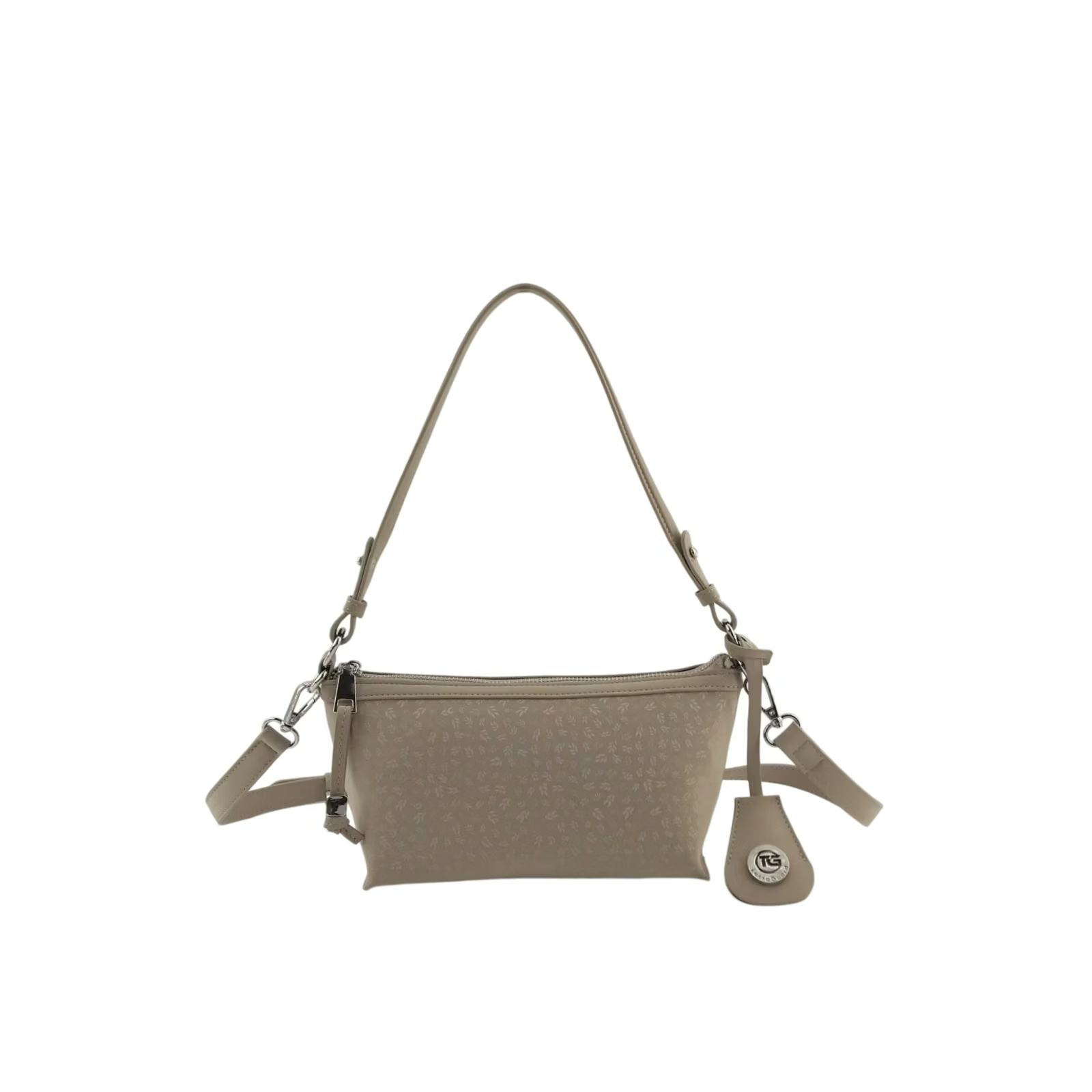
Taupe shoulder bag with an adjustable strap and round charm
02 / COMPACT & FASHION STYLES

Review cactus leather crossbody bags, shoulder bags, hobo silhouettes, mini bags, saddle bags and sling designs for your collection.

  • Strap adjustment and reinforcement
  • Flap, zip or magnetic closure
  • Curves, edge finishing and body shape
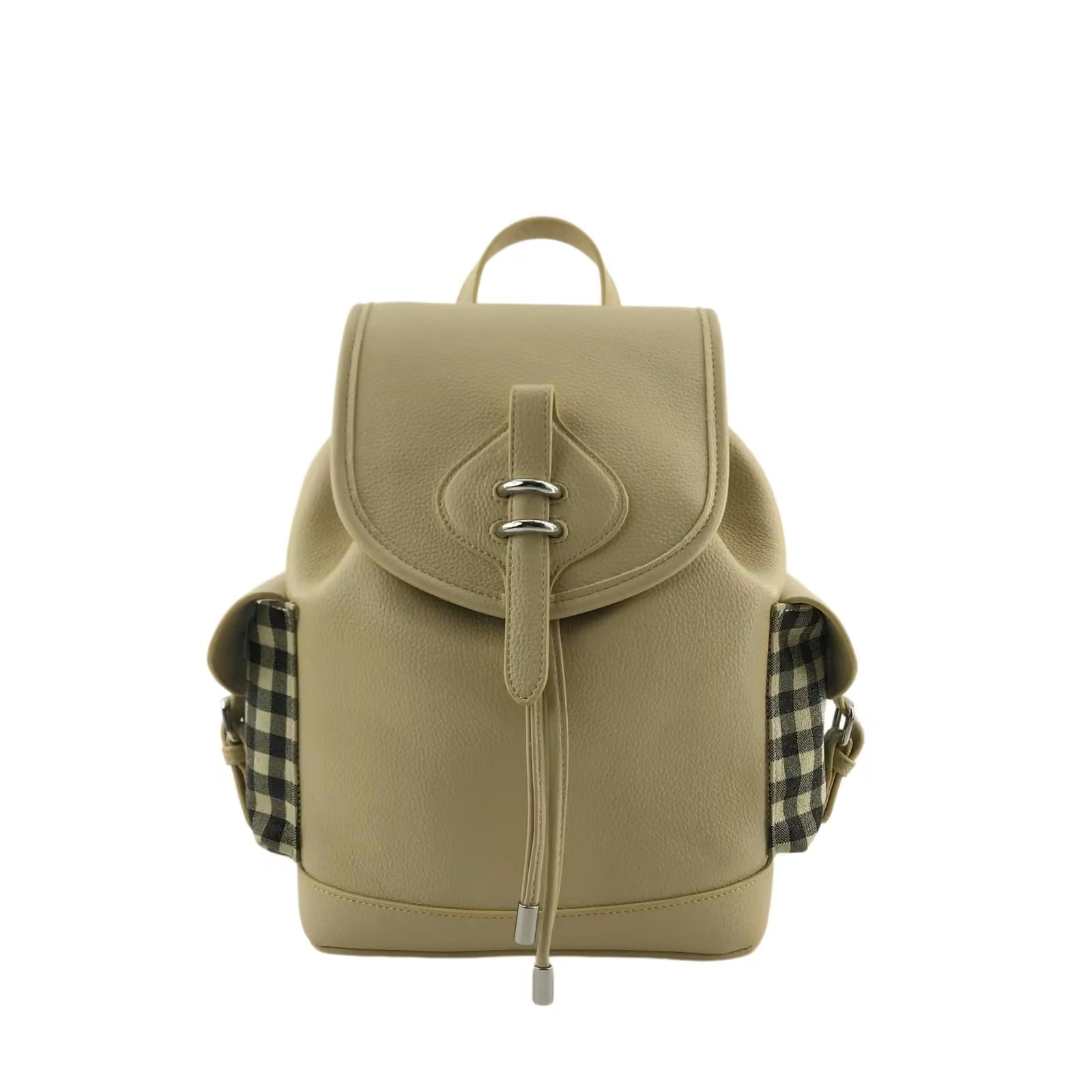
Tan flap backpack with checked side pockets and a drawstring closure
03 / ORGANIZATION & CARRY

Backpacks & Functional Bags

For a cactus leather backpack or diaper bag concept, begin with the intended load, compartment layout and cleaning expectations.

  • Stress points and strap construction
  • Lining, dividers and access openings
  • Material use across outer panels and trims
Light-colored zippered pouches with silver Veggance logos
04 / COORDINATED ACCESSORIES

Wallets & Small Leather Goods

Explore a cactus leather wallet, men’s wallet, money clip wallet, card holder or coordinating zip pouch as a matching small leather goods program.

  • Fold thickness and edge bulk
  • Card-slot access and pocket dimensions
  • Logo scale, lining and component fit

03 / Build the material brief

Choose the Color, Texture & Backing for Your Collection

Black cactus leather, brown cactus leather and other color directions should be selected against the supplier’s current range and a physical swatch. Review color, grain and hand feel with the shape of the bag, rather than approving each detail separately.

Material details to confirm before sample development
Material choice What to confirm Why it matters for the bag
Color & shade Available colors, stock shade reference, batch consistency and any custom-color minimum. Coordinates the outer material with lining, edge paint, straps and hardware.
Surface texture Grain, smooth or textured appearance, gloss level and tactile sample. Sets the visual direction and changes how wear or handling marks may appear.
Thickness & flexibility Selected grade, actual thickness, fold behavior and required support. Affects seam bulk, folded edges, small parts and structured or relaxed silhouettes.
Backing Textile composition, stretch direction and stability. Influences cutting direction, reinforcement and the behavior of stitched areas.
Grade availability Supplier reference, material minimum, replenishment and color availability. Helps align sampling, bulk purchasing and repeat-order planning.

04 / Make it your collection

Custom Cactus Leather Bags: Logo, Structure & Details

Plan your private label cactus leather bags around the complete product. The outer material, reinforcement, lining, hardware and branding need to work together in the approved sample.

01

Shape & Function

Set the bag dimensions, opening, pocket layout, strap length and carrying style. Confirm the contents it needs to hold and the support needed to keep its shape.

02

Logo & Finish

Discuss a debossed logo, printed branding, labels or metal logo plates. Trial the proposed method on the chosen material before approving appearance and placement.

03

Components & Packing

Coordinate zippers, buckles, lining, edge paint and hardware finishes. Add dust bags, hangtags and protective packaging around the product and sales channel.

05 / Approve how it performs

Cactus Leather Durability: What to Check Before Bulk Production

Cactus leather durability depends on the selected grade and the finished bag. Review the material data alongside the prototype’s seams, straps, corners, folds and closures, using acceptance requirements suited to your market and intended use.

Agree the required checks and acceptance criteria before bulk production
Check area What to review Evidence or approval point
Surface wear Abrasion resistance, rubbing behavior, color transfer and visible marking at high-wear areas. Relevant material data and an agreed appearance reference for the selected grade.
Strength & seams Tear resistance, tensile strength, stitch placement and reinforcement at handles and strap anchors. Material information plus finished-sample construction and function review.
Folds & edges Flexing at flaps, folded wallet parts and edges; edge paint appearance and adhesion. Approved sample and application-specific checks agreed for the construction.
Moisture & cleaning Expected contact with liquids, cleaning method, surface changes and lining requirements. Supplier care guidance and the performance required for the finished product.
Bulk consistency Shade, texture, hand feel, thickness, dimensions, hardware and packing against the approved specification. Sealed sample, material reference and production inspection records.

Water resistance, lifespan & care

A water-resistant surface does not establish that a finished bag is waterproof: seams, openings, lining and closures also matter. Service life and the way a surface ages depend on formulation, construction and use. For a patina-like appearance or a specific cleaning requirement, review the actual swatch and supplier guidance.

06 / Compare for your use case

Cactus Leather vs. Leather and Other Bag Materials

When comparing cactus leather vs. leather, start with the product brief: intended feel, structure, care, appearance, documentation and target price. Compare specific samples and grades so the decision reflects the bag you plan to sell.

A selection framework for your sample review
Material direction Review the composition Review the finished product
Cactus-based material Plant-derived component, polymer system, backing, grade and supporting material information. Flexibility, surface wear, stitching, edge finishing and alignment with your stated material requirements.
Genuine leather Leather type, grade, tanning and finish information where relevant to your brief. Natural variation, hand feel, structure, care and the aging behavior of the chosen leather.
Conventional PU Coating, backing, thickness and selected performance grade. Grain and color options, seam behavior, wear, cleaning and target-cost fit.

Possible cactus leather disadvantages include sourcing restrictions, a narrower available color range for a particular grade, or a formulation that needs a different approach to folding and edge finishing. The effect on cost and lead time is assessed against the actual project.

07 / Connect claims to the grade

Cactus Leather Sustainability & Material Documentation

Build the material story around the material actually purchased. For cactus leather sustainability questions, share the claim your team needs to support, the destination market and any required supplier information before the material is approved.

Composition & Traceability

Identify the supplier, grade, coating and textile backing. Clarify whether a stated percentage describes cactus-derived content, total bio-based content or a particular layer.

Named Material Requests

If your brief specifies a particular material brand, we review sourcing availability, grade suitability and the relevant documentation before confirming it for production.

Restricted Substances & LCA

Send your restricted substance list (RSL) and any life cycle assessment (LCA) requirements. We review what supplier information is available and whether it applies to the selected material and intended use.

End-of-Life Statements

Plant-based content alone does not establish plastic-free, compostable or biodegradable performance. Any partial biodegradability result must be read with its test conditions, material scope and coating/backing composition.

08 / Plan an executable order

Cactus Leather Bag Manufacturing: Samples, MOQ & Pricing

A useful cactus leather bag quotation connects the bag specification with a confirmed material route. Our starting point is your design, quantity, target price and timing, followed by a review of material availability and sample development.

  1. Define the development route

    For OEM cactus leather bags, send the design or reference sample. For ODM or private label development, share your target customer, intended function and collection direction.

  2. Confirm material & sample

    Review the material reference, swatch, construction, logo and hardware. Record sample revisions and approve the final specification before bulk purchasing.

  3. Align the bulk order

    Confirm quantities per style and color, material availability, production schedule, protective packing and order requirements together.

  4. Keep repeat orders connected

    Retain the approved sample, material reference and component details. Review any material, shade or hardware changes before a reorder proceeds.

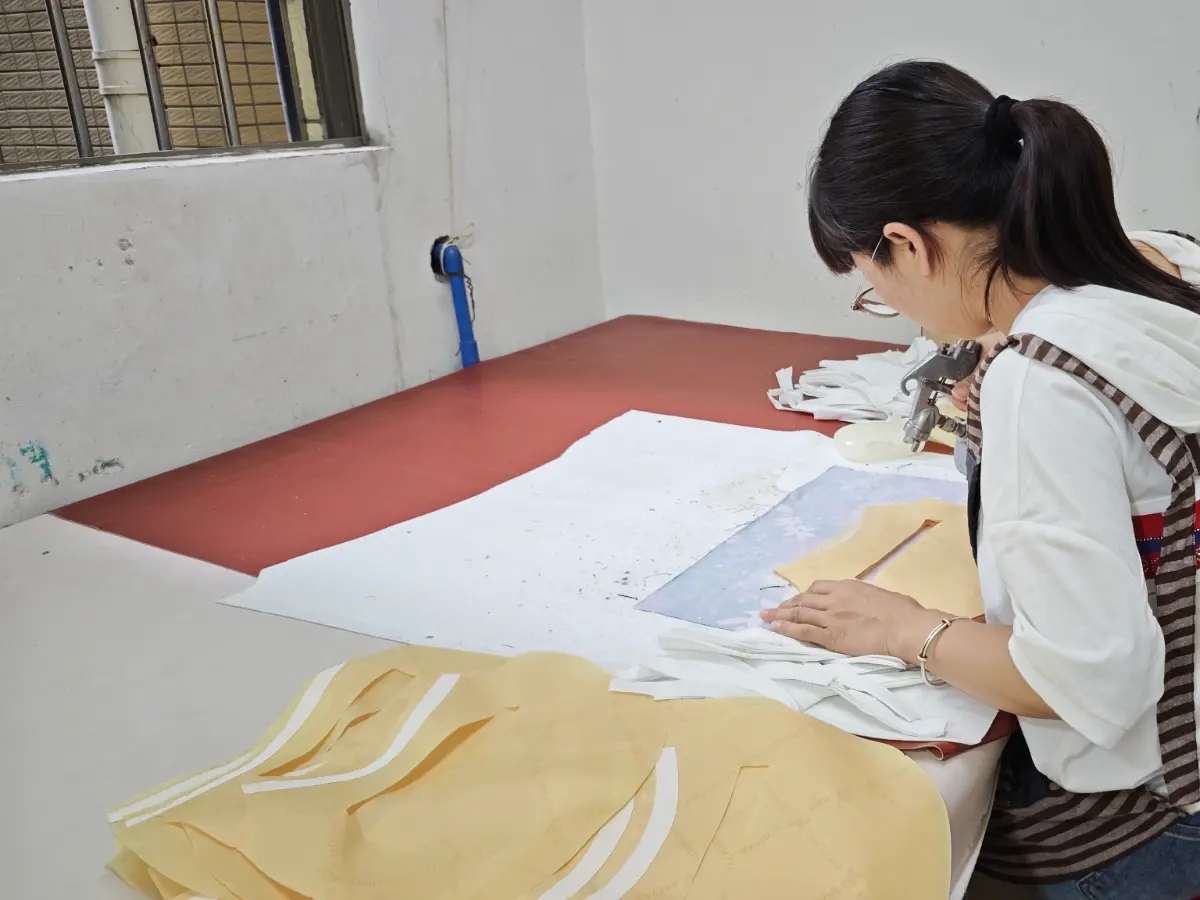
Worker preparing handbag material pieces at a sample-room worktable
Sample-room preparation at Veggance. The material and construction are selected for the individual project.

How Is MOQ Confirmed?

The cactus leather bag MOQ reflects the selected material’s purchasing minimum, the quantity per style and color, and any custom components. A material supplier’s minimum and the finished-bag minimum are different parts of the order review.

Veggance’s standard custom handbag starting point is 500 pieces per style and color. Special materials and components can change that requirement, so we confirm the applicable minimum for your project.

What Shapes the Price & Timing?

Cactus leather cost at bag level includes material yield, shape, reinforcement, lining, hardware, branding, quantities and packing. A raw material price per unit area cannot be used directly as a finished-bag price.

Standard handbag sampling is typically 7–14 days after key details are confirmed. Specially sourced materials or custom hardware may require more time; the sample and bulk schedule are confirmed for the order.

Tanya Tan, Veggance handbag product manager
Tanya Tan · Handbag Product Manager
Veggance / Honghu Leather Factory

09 / Your project contact

Work with Tanya on Your Cactus Leather Bag Project

Hi, I’m Tanya Tan. If you are considering cactus-based materials for a handbag collection, I can help organize your idea into a development brief our team can review: the silhouette, dimensions, intended use, quantity and target price.

I coordinate questions about the material, lining, hardware and branding, then follow up on sample comments and the details awaiting approval. For production and repeat orders, I help keep communication connected to the agreed specification.

  • Share an early reference, a sketch or a complete tech pack.
  • Tell me which material qualities and product details matter most.
  • I’ll coordinate the next review with our development and production colleagues.

10 / Start with what you have

Start Your Custom Cactus Leather Bag Collection

Planning a new collection or bulk cactus leather bags for your brand? Send your reference and estimated quantity. We’ll review the material direction, construction and information needed for the next development step.

You can get in touch before every detail is finalized. A clear reference image and a short explanation of your priorities are enough to begin the conversation.

Helpful Details to Share

  • Product direction: bag type, sketch, tech pack or reference image.
  • Order plan: estimated pieces per style and color.
  • Material & branding: preferred feel, color, logo and hardware.
  • Commercial priorities: target market, price direction and desired schedule.

Share the information you already have. Remaining details can be reviewed together.

Seraphinite AcceleratorOptimized by Seraphinite Accelerator
Turns on site high speed to be attractive for people and search engines.