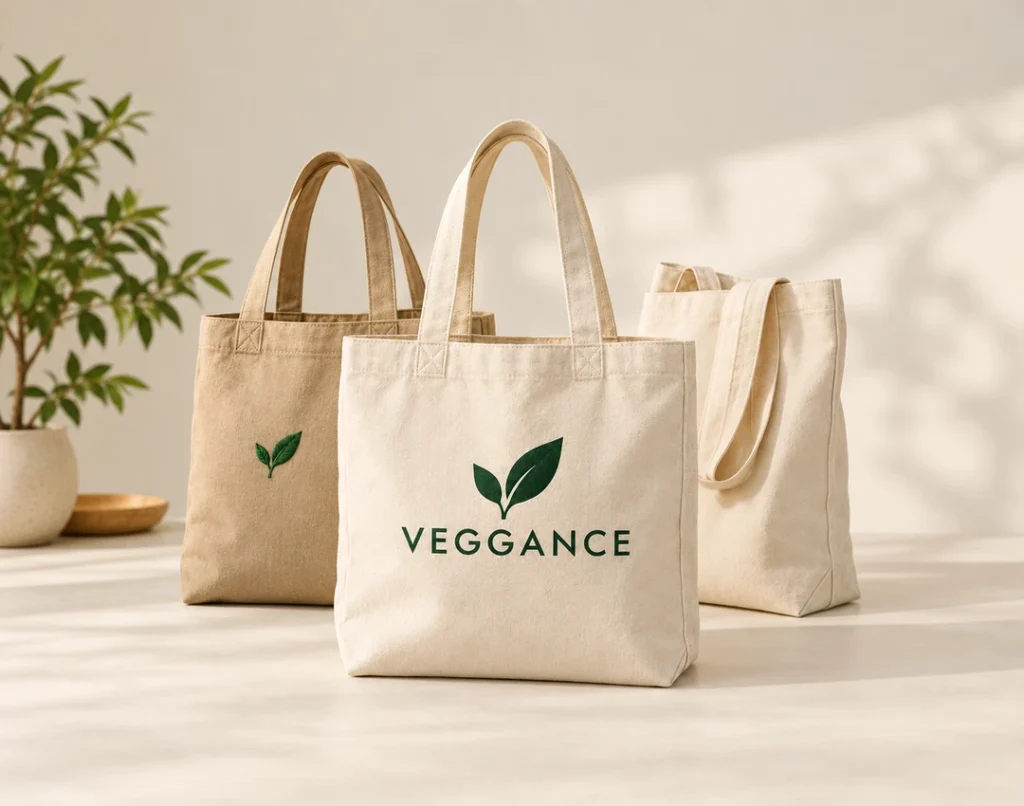
Non-Woven Tote & Shopper Bags
Review flat or gusseted nonwoven tote bags for hand carry or shoulder carry. Match the opening, handle drop and body proportions to your products and retail presentation.


Develop custom non-woven bags around your products, brand artwork and order requirements. Veggance helps brands, retailers and wholesale buyers coordinate materials, bag construction, sampling and bulk production from China.
Start with non-woven tote bags, printed shopping bags, promotional bags or handbag dust bags. Share what the bag needs to carry, your preferred finish and the estimated quantity so we can review a suitable specification.
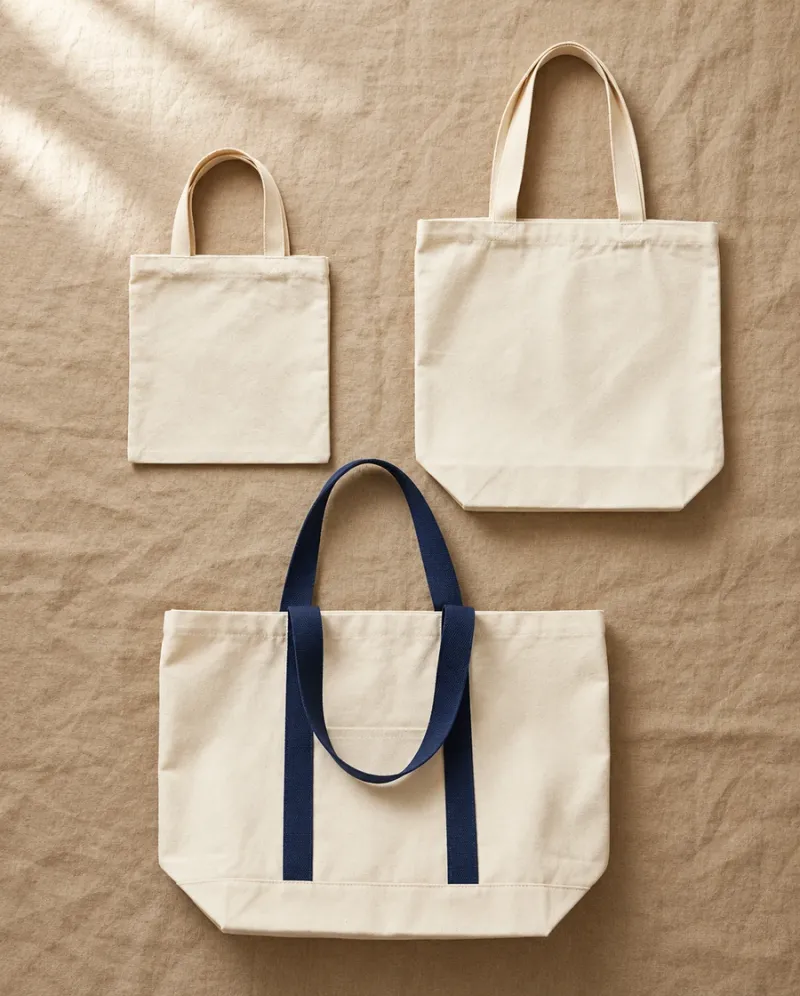
Non-woven describes how a material is formed. It does not identify the fibre on its own. For an OEM order, confirm the composition, fabric weight, surface treatment and bag construction together.
Non-woven polypropylene, also called PP non-woven or NWPP, is a material direction for shopping, promotional and packaging bags. Spunbond polypropylene uses filaments formed into a web and bonded together, often through thermal bonding.
Confirm the selected fabric weight, feel, colour and seam construction against the intended use.
PET non-woven is a polyester material direction. Non-woven polyester bags should be specified separately from PP bags, including composition, surface appearance and the printing method being evaluated.
Use an approved swatch and sample to define the finished result.
For custom rPET non-woven bags, review the recycled polyester content and available material documents. Confirm which components use the selected material, including the body, handles, pockets and trim.
Recycled content and document availability depend on the chosen material and project.
If your reference is described as “non-woven cotton bags,” “non-woven jute bags” or “non-woven paper bags,” send a sample or material specification. These names can refer to different compositions, looks or composite structures. We need to identify the actual construction before quoting.
Explore other material directions in our bag materials guide, polyester bag options and recycled polyester materials.
Build a wholesale bag range around the products your customers carry. Start with a flat tote, a roomy grocery shopper or a compact carry bag, then confirm the dimensions, handle length and branding.
Review flat or gusseted nonwoven tote bags for hand carry or shoulder carry. Match the opening, handle drop and body proportions to your products and retail presentation.
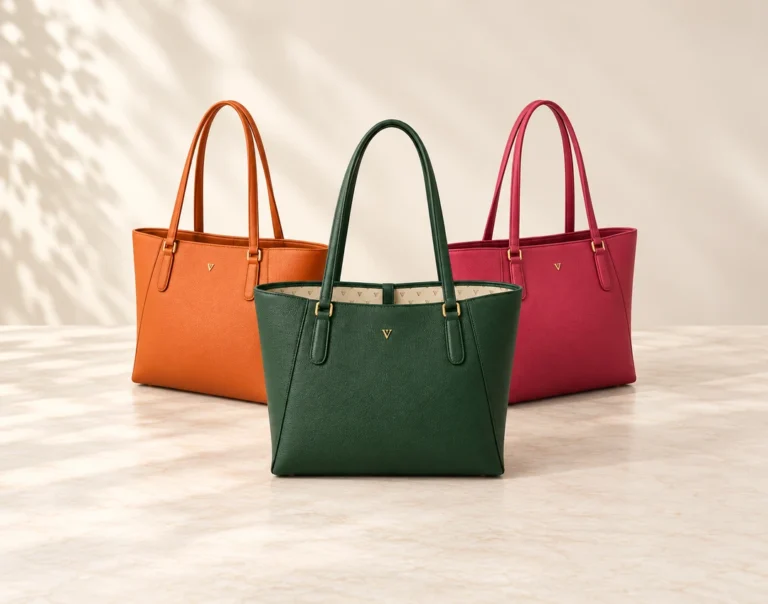
Non-woven grocery tote bags and carrier bags can be developed with side gussets, a wider base or a bottom insert. Review handle attachment and reinforcement against the proposed load.

Compare small non-woven tote bags for gifts, large shoppers for bigger products and foldable non-woven bags for compact storage. Confirm how the bag will be folded and packed before approval.
For a wider collection across materials, explore our custom tote bag manufacturing.
Plan promotional non-woven tote bags for trade shows, conferences, company campaigns and branded giveaways. Begin with the items going inside: brochures, sample packs, gifts or event materials.
For advertising non-woven tote bags and exhibition orders, we review the logo, campaign artwork, print area and colour combinations against the material and bag size. Personalized non-woven bags can carry your company identity or approved event design.
Develop custom non-woven retail bags for boutiques, fashion brands, accessory collections and gift programs. Coordinate the bag with your product size and the way it is presented at handover.
Size non-woven gift bags around boxed gifts, accessories or product sets. Small gift bags need enough opening space and a handle or closure suited to the contents.
Review plain non-woven bags or blank non-woven tote bags for bulk supply. If another supplier will add the print, confirm the material and planned decoration process before ordering.
Align shopping bags, handbag dust bags, labels and packaging boxes in one brief. Check colour references, logo scale and the fit of each packaging layer.
Connect the packaging brief with your custom bag collection and material options for your packaging.
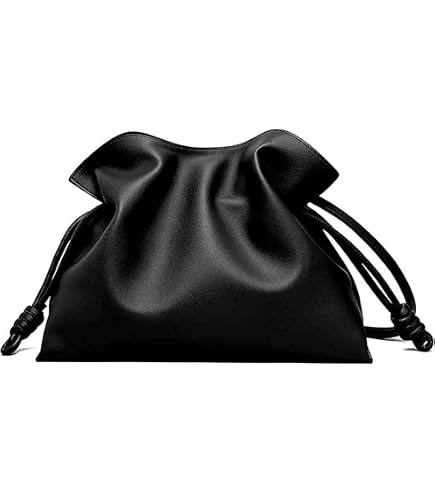
Develop branded handbag dust bags as part of your main collection or a separate wholesale packaging order. The fit should account for the bag body, handles, shoulder strap and exposed hardware.
Confirm whether the handbag will be packed upright, laid flat or with the strap placed inside. Leave enough opening space to insert and remove the product without dragging its trim against the closure.
Review single- or double-pull drawstrings, cord material, colour and the drawstring channel. Match the logo position and printed area to the pouch when it is closed.
Non-woven drawstring bags and accessory packaging pouches can also be evaluated for wallets and wristlets, belts and small leather goods. A dust bag provides a protective packaging layer; moisture or mould protection needs a separate assessment.
Send a reference and intended use for specialty bag projects. Material suitability, construction, sampling and production arrangements are reviewed for each design before the specification is confirmed.
| Bag direction | Details to confirm for your order |
|---|---|
| Garment & suit bags | Garment length, hanger opening, gusset, zipper position and carrying method. Custom non-woven garment bags and zippered garment covers need a specification suited to the clothing. |
| Shoe bags | Single-shoe or pair packing, shoe dimensions, drawstring opening and room for any supplied inserts. |
| Wine bottle bags | Bottle size, number of bottles, handle construction, base support and any internal dividers. Agree the intended load before sampling. |
| Storage & laundry bags | Contents, opening, carrying method, storage conditions and cleaning requirements. Review the fabric and seam construction against actual use. |
| Cooler & lunch bags | Non-woven outer material, insulation, lining, closure and cleaning needs. Non-woven insulated tote bags require a complete layered structure; the outer fabric alone does not define insulation performance. |
Choose the structure around the product, carrying method and presentation. The quotation should identify the body shape, handle attachment, closures and reinforcement points.
Compare a flat tote, side-gusset bag, bottom-gusset bag or box-shaped non-woven bag. A bottom insert can be evaluated where the product needs more support or a defined base.
Review non-woven loop handles, PP webbing or D-cut handles. Confirm handle width, total length, handle drop and reinforcement. W-cut, U-cut and T-shirt or vest bag structures can be assessed for suitable retail projects.
Specify a zipper, drawstring or snap-button closure where required. Non-woven zipper bags can be reviewed with front pockets, inner pockets and reinforcement patches according to the design.
Use a drawing to identify width, height, side gusset, bottom gusset and handle drop. Mark the opening and pocket sizes where they affect access or product fit.
For other carrying components, explore our bag strap customization.
Laminated non-woven tote bags combine a selected non-woven base with a surface film. Review the appearance, artwork, folding method and intended use before choosing the finish.
A BOPP film option can be assessed for full-colour artwork and printed designs across multiple panels. Confirm the film, base fabric and combined material specification in the quotation.
Compare matte and gloss surfaces using physical swatches. For metallic non-woven bags or iridescent shopper bags, approve the actual surface, colour shift, fold appearance and logo result before production.
Keep base fabric GSM separate from the total laminated material weight. Review surface water resistance separately from the performance of seams and closures.
Custom printed non-woven bags need artwork matched to the fabric, finish and print area. We review the design before recommending a printing route for your branded bag order.
Evaluate silk-screen printing for logos and suitable solid-colour artwork. Confirm ink colours, coverage, line detail and single- or double-sided printing using an approved print sample.
Review heat transfer or a full-colour CMYK process against the selected material. Heat-sensitive fabrics need a compatible process. Multi-panel printed laminated bags require their own artwork and production review.
Match the bag body, side panels, handles, trim and thread. Black, white, blue, royal blue, red and other colour directions can be reviewed against the selected fabric and approved swatch. Use a Pantone reference or approved colour swatch, then confirm the imprint area and logo position on the actual bag.
Send your available logo artwork and identify the printed sides. Fine lines, small lettering, gradients and photographs need review at the intended size. Approve the artwork layout and the physical print result before bulk production.
A clear specification makes quotations easier to compare. Use the same dimensions, material weight, construction and printing requirements when requesting prices from a non-woven bag supplier.
| Specification | What to include in your procurement brief |
|---|---|
| Material composition | PP non-woven, PET, rPET or another confirmed material construction. Identify any recycled-content requirement. |
| Fabric weight | GSM / g/m², such as 80 GSM or 100 GSM for evaluation. Confirm the final selection against bag size and use. For laminated bags, identify base weight and total composite weight. |
| Bag size | Width × Height × Gusset, in centimetres or inches. Specify the measuring method and agreed tolerances on the approved size drawing. |
| Handles | Material, width, total length, handle drop, attachment and reinforcement. |
| Body & base | Flat, side-gusset, bottom-gusset or box construction; optional base insert or local reinforcement. |
| Closure & pockets | Open top, drawcord, zipper or snap button; pocket sizes and locations. |
| Logo & printing | Artwork, colours, printed sides, imprint area and position. State whether the order is blank or printed. |
| Finish & performance | Unlaminated, matte, gloss or specialty finish; intended carrying load, reuse and any water-resistance requirement. |
| Quantity & packing | Quantity per style, colour and artwork; units per carton, labelling, destination and required delivery date. |
GSM measures mass per unit area, not thickness. A higher GSM alone does not establish the carrying capacity of a finished bag. Fabric quality, dimensions, handles, reinforcement and seams all need review.
Define how the bag will be carried, reused and cleaned before selecting the material. Performance requirements should become agreed sample checks and acceptance criteria.
Review expected reuse, loading, storage and cleaning. Approve the handle construction, seams and folding method. Care instructions should match the final fabric, finish and print.
For custom heavy-duty non-woven tote bags, define the intended load and use conditions. Evaluate reinforcement patches, handle attachment, base support and seam strength together.
A water-resistant surface does not establish waterproof performance for the whole bag. Waterproof non-woven bag requests need an agreed assessment of the material, seams, closure and exposure conditions.
Non-woven stitched bags, heat-sealed bags and ultrasonic-welded bags use different joining methods. The suitable route and production arrangements are confirmed for your structure and volume. The approved sample should identify the selected seam construction.
For recycled non-woven bag projects, start with the exact material composition and recycled-content requirement. Recycled PP and rPET are separate material directions, and each needs its own specification review.
Confirm the recycled percentage and which parts it covers. A body fabric specification does not automatically describe the handles, mesh, zipper or other trim. Request the material information needed by your purchasing team.
GRS-related requirements and a transaction certificate can be reviewed according to the selected material and eligible project. Confirm applicability and document availability before the order is placed.
If your brief requests “eco-friendly non-woven bags,” define the measurable requirements: selected recycled content, intended reuse, component composition or packaging reduction.
For recyclable non-woven bags, review the complete bag structure and the collection or processing options in the destination market before making a product claim.
Read more about recycled polyester, our sustainability approach and supplier qualification documents.
Bring a reference image, physical sample or specification. We coordinate the review steps for a made-to-order non-woven bag program, from the initial brief to approved bulk specifications.
Confirm the buyer's use, bag style, quantity, budget direction, destination and delivery requirement.
Select the fabric, GSM, dimensions, gussets, handles, closure and proposed production route.
Review the logo artwork, colour references and sample construction. Record changes before approval.
Approve the material, colour, size, print placement and packaging. Keep the final version and agreed tolerances.
Confirm materials, timing and order details against the approved specification before bulk work proceeds.
Complete agreed checks and export packing requirements, including carton labels and order identification.
Explore OEM, ODM and private label manufacturing, product development and sampling and prototyping.
A useful approval process checks the bag with its intended contents. Review the dimensions, opening, handles, logo and packing method before setting the bulk standard.
For repeat orders, keep the approved sample, material references, colour swatches and version record. Any change to fabric, coating, print or components should be reviewed before it reaches production.
See our bag quality control process and manufacturing workflow.
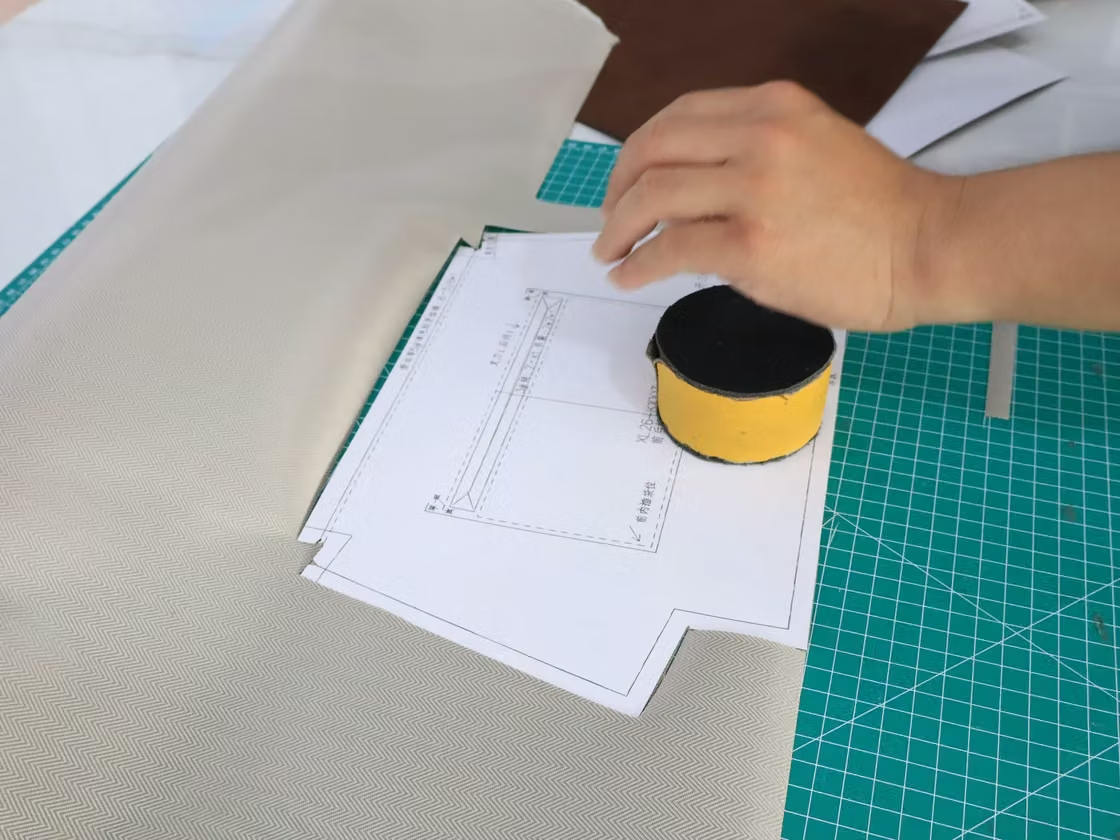
| Approval point | What the buyer and production team confirm |
|---|---|
| Size & product fit | Body measurements, gussets, opening, handle drop and clearance around the intended contents. |
| Sample review | Material feel, GSM, colour, logo placement, closures, stitching or welding and the complete packing arrangement. |
| Approved sample | Final revision, agreed measurements, material references, print proof and packaging instructions. |
| Bulk material review | Fabric, film, handles and accessories checked against the approved order specification. |
| Agreed performance checks | Where required: handle pull, seam strength, print rub and other project-specific checks. Define the method, conditions and acceptance criteria in advance. |
| Repeat consistency | Retained references, controlled revisions and buyer approval for proposed material or process changes. |
Request a specification-based quotation for custom non-woven bags in bulk. A meaningful wholesale price should state what is included in the material, construction, printing and packing.
Bag dimensions, fabric weight, lamination, handle construction, reinforcement, pockets and closures affect the specification. Non-woven bag printing cost also depends on the artwork, print area, colours, sides and selected process.
MOQ depends on the material, style, colour allocation and printing route. Send your quantity per design and colour for review. Handbag production minimums should not be assumed to apply to every packaging bag order.
Confirm units per carton, inner packing, carton dimensions, net and gross weight, shipping marks and required labels. Include the destination and any split-shipment or distribution needs in the brief.
For a comparable quote: provide the same material, GSM, dimensions, handle specification, print artwork, finish, quantity and packing requirement. Identify any sampling, setup or special testing requirements before the order is finalized.
Tell us which supplier records your purchasing team needs. We review the relevant facility documents and material requirements for the proposed order. Facility credentials do not automatically certify every bag or material.

Social-compliance information for supplier review. Ask which records are relevant to your brand's assessment requirements.

Review eligibility for the selected recycled-material program. Material applicability and transaction documentation need confirmation for the order.

Facility authorization information for applicable procurement programs. Use of licensed artwork requires the appropriate customer authorization.
Visit certifications and supplier qualification for more context.
Use these questions to prepare a clearer brief for your custom non-woven bag manufacturer and purchasing team.
Start with the contents, dimensions, expected load and reuse conditions. Review fabric quality, handle attachment, seams and base support together. Ask for an appropriate sample rather than selecting by GSM alone.
Send the bag style, dimensions, material preference, fabric weight, handle details, logo artwork, printed sides and quantities per colour. Add packing requirements, destination and target delivery date. A reference image or physical sample helps identify missing details.
Consider lamination when a particular surface finish or printed presentation is part of the brief. Compare the actual swatches and sample for appearance, folding and handling. Confirm the base fabric, film and total material weight in the quote.
The choice depends on material, finish, quantity, image detail and print coverage. Simple logos can be evaluated for screen printing. Transfers and full-colour laminated options require a compatible material and process. Approve the artwork position and printed sample.
Provide the handbag dimensions and packing orientation, including handles, straps and hardware. Check the opening and extra space with the actual product. The dust bag should allow insertion and removal without stressing the product or closure.
Yes, these can be included as requirements for feasibility review. Define the carrying load, handling conditions or water exposure, then agree a test method and acceptance criteria. Such performance is confirmed for the developed construction rather than assumed from the material name.
Review the composition, recycled-content percentage, affected components and available material records. GRS-related requirements and a transaction certificate depend on the selected material and eligible project. Confirm documentation before placing the order.
Record the proposed change and review how it affects appearance, fit, price and performance. Where needed, approve an updated swatch, print proof or sample before the changed specification is used for bulk production.
List the quantity for each style, colour and print design. Material minimums, print setup and production arrangements may differ between versions. We review the allocation before confirming the quotation and MOQ.
Retain the approved sample, specification, colour references, artwork and packing instructions. Identify the version used for each reorder and approve material or process changes before production.
For other manufacturing questions, visit our buyer FAQ.

Hi, I'm Tanya. I help turn your bag and packaging requirements into a clear development brief. For a non-woven bag project, I start with what you need to carry, your reference design, the estimated order quantity and your delivery schedule.
I coordinate the review of materials, fabric weight, dimensions, handles, closures and branding with the development and production team. If your order includes handbags and dust bags, I help check the fit and coordinate the overall packaging presentation.
I follow up on sample comments, revisions and approval details. During bulk orders, I coordinate communication about production progress, quality requirements and packing, so your team has a clear project contact.
Prepare a wholesale or OEM brief for non-woven shopping bags, promotional tote bags, retail packaging or branded dust bags. Send the details you already have; we will identify what needs confirmation before a quotation and sample plan can be prepared.
 Optimized by Seraphinite Accelerator