Fashion Handbags
Women's PU leather handbags in structured or soft shapes, including crossbody bags, shoulder bags, clutches and satchels. Review flap construction, handle shape and hardware together.


Veggance develops custom PU leather bags for fashion brands, retailers, importers and wholesalers. Bring your sketch, tech pack or reference sample. We help define the materials, construction and brand details for sampling and bulk production.
Build a coordinated collection with your own shapes, colors, linings, logos, hardware and packaging.
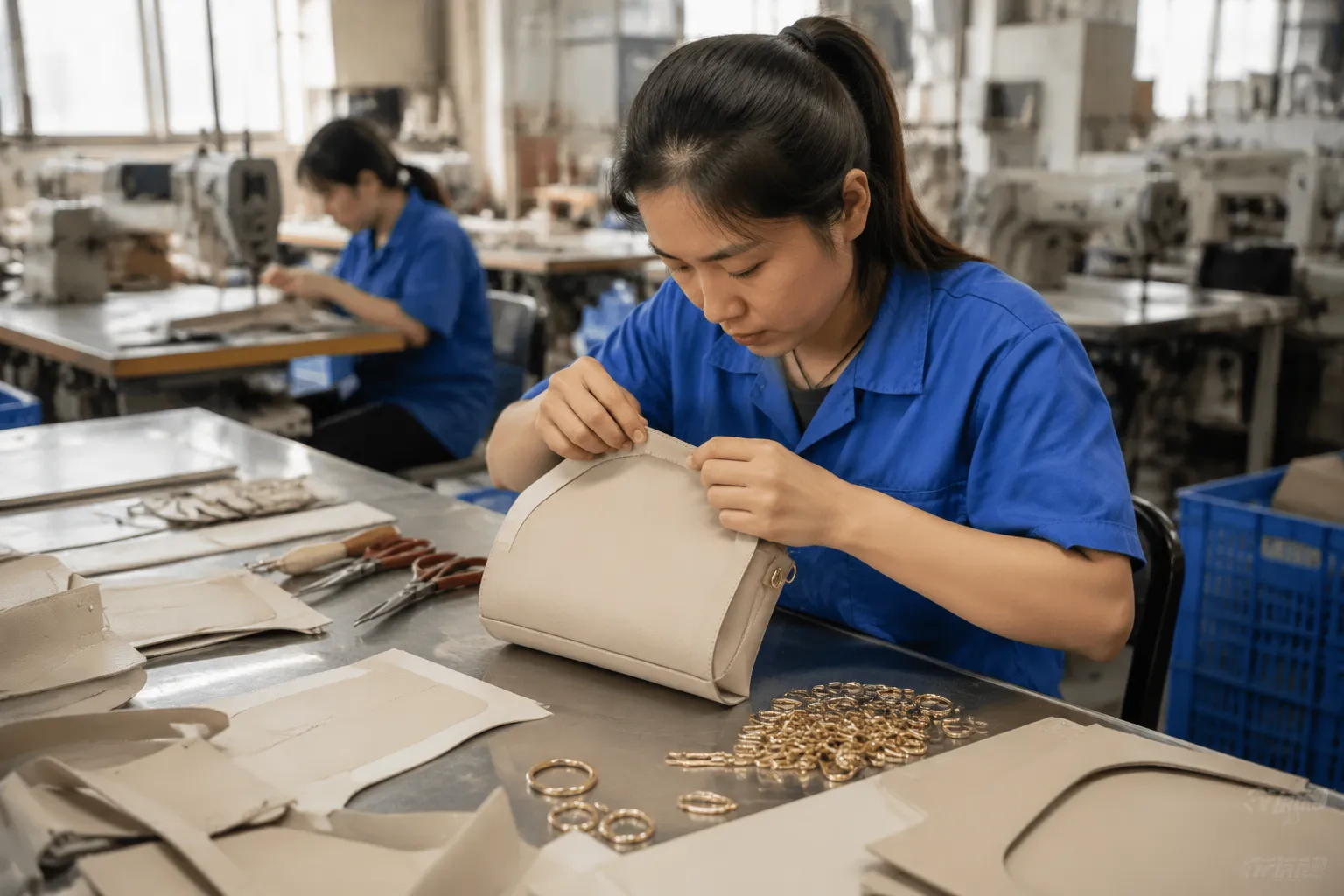
Develop individual styles or a complete collection. As a PU leather bag supplier, we adapt the dimensions, opening, compartments, straps and trims around your customer and target price.
Women's PU leather handbags in structured or soft shapes, including crossbody bags, shoulder bags, clutches and satchels. Review flap construction, handle shape and hardware together.
Build a PU leather tote bag, laptop bag or messenger bag with suitable reinforcement and practical pockets. Explore our custom tote bags for work and everyday collections.
PU leather backpacks for women and men, mini backpacks, laptop backpacks and compact sling bags. Our backpack manufacturing service covers straps, openings, linings and internal organization.
Develop a PU leather duffle bag, weekender, travel bag or diaper bag with reinforced handles and a layout suited to its intended load. See our custom duffle bags for travel concepts.
PU leather cosmetic bags, makeup bags, toiletry bags and pouches with selected linings, openings and dividers. Adapt our custom makeup bags for beauty collections and branded sets.
Coordinate PU leather wallets, card holders, ID card holders, keychains and small pouches. Our wallets and wristlets can share colors and brand details with the main bag collection.
Choose PU leather for the finished bag you want to make. Surface appearance, backing, thickness and flexibility all affect the result. We review the material specification alongside the pattern and construction.
Compare high quality PU leather options by hand feel, surface finish, backing and performance requirements. A premium appearance should also work with the bag's folds, seams and edge treatment.
For an animal-free collection, review the selected material composition and other bag components. Explore our vegan leather bags for broader material choices and collection development.
Consider recycled-content options where the appearance, construction and available documents match your brief. Confirm which layer contains recycled content and how the percentage is reported.
Review available water-based PU leather specifications with the required finish, hand feel and target cost. Composition and process information are checked for the selected material.
Evaluate solvent-free PU leather when it fits your sourcing requirements. Availability, technical information and suitability for your bag are confirmed during material selection.
Compare microfiber-based constructions when the brief calls for a particular hand feel, structure or performance level. Confirm the backing and coating specification before selecting the sample.
Material names are a starting point. Final composition, thickness, color, performance requirements and supporting documents belong in the approved project specification.
A PU leather texture changes how a collection looks and feels. Review the grain at the actual panel size, then check how it behaves around corners, folds and stitched details.
Explore pebbled PU leather, Saffiano PU leather, embossed grains and crocodile-pattern effects. Match the grain scale and embossing depth to the size of the finished bag.
Compare matte, glossy, patent-effect, metallic, glitter and vintage-effect finishes. Soft PU leather may suit a relaxed shape, while a structured bag needs suitable support.
Use a reference swatch or color standard to define the direction. Confirm the outer material, lining, thread, edge paint and hardware finish together through approved samples.
These are visual color directions. Physical swatches and approved samples define the production color. Read our Saffiano and pebbled leather comparison for more on these grain styles.
Develop branded PU leather bags with details that belong together. Our team reviews the logo method, material surface and hardware dimensions before the sample is approved.
For PU leather engraving or laser effects, the exact material must be reviewed for process compatibility and tested before approval. The finish, backing and coating can affect the result.
Our custom bag development service brings these choices into the same brief.
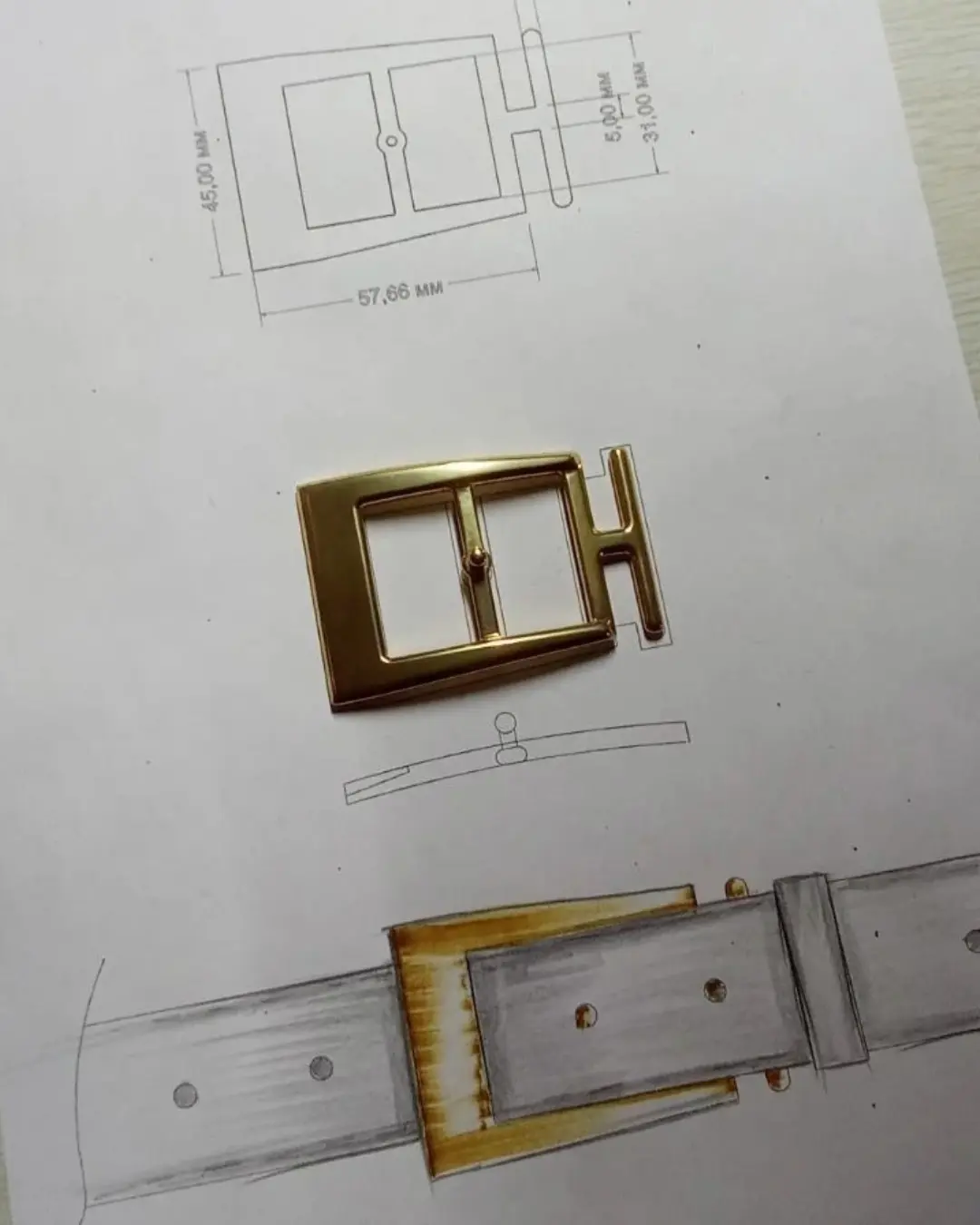
Choose the route that matches your design readiness. As a PU leather handbag factory in China, Veggance coordinates development, sampling and production around the approved brief.
Send your tech pack, drawings or authorized reference sample. We review the pattern, material specifications, construction, hardware and quality requirements before sampling.
Best starting point: a defined design with clear dimensions and functional details.
Share your target customer, style references, price position and launch plan. We help turn the direction into a bag concept with materials and construction ready for sample review.
Best starting point: a clear market brief that needs product development.
Begin with an available, suitable base design and customize its colors, materials, logos, lining and packaging. Confirm the changes and development scope before placing an order.
Best starting point: a selected style to develop around your brand.
Read our guide to choosing an OEM/ODM handbag factory to prepare the right information for your project.
PU leather bag durability depends on the selected material and how the finished bag is built. Define the intended use, expected load, storage conditions and performance requirements before approving the sample.
Review relevant abrasion, flexing, color transfer and hydrolysis requirements. Confirm the test method and acceptance criteria for the selected material when testing is needed.
Check handle attachments, strap anchors, seams, reinforcement and closures. A soft fashion bag and a laptop tote need different construction decisions.
A water-resistant PU surface does not establish the performance of the whole bag. Seams, zipper openings, lining and construction must also be reviewed for the intended exposure.
If waterproof performance is part of the brief, agree on the finished-product test and acceptance criteria before making that claim.
Turn the approved sample into a clear production reference. Our PU leather bag factory reviews materials, workmanship and finished products against agreed specifications and project requirements.
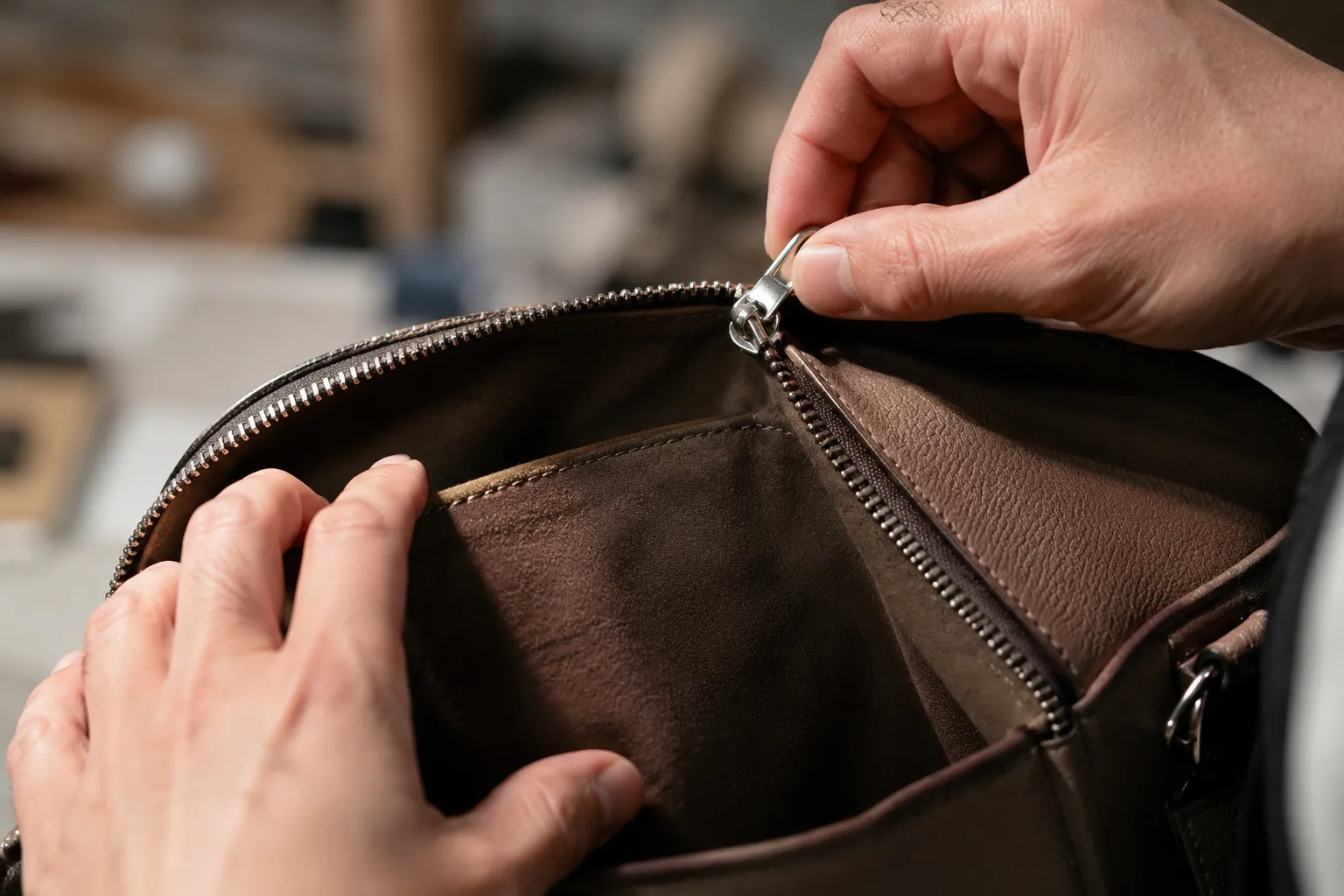
For your quality control plan, define key tolerances, defect examples, sampling requirements and any third-party inspection arrangements before production.
If your brief calls for eco-friendly PU leather or sustainable material sourcing, begin with a specific requirement. Recycled content, animal-free composition and production-process information need different evidence.
Specify the component, composition or sourcing priority. For recycled PU leather, confirm the relevant layer, reported content and required supporting documents.
Check material composition records, supplier information, relevant test reports and the scope of any requested certification. Factory credentials and product-specific evidence serve different purposes.
Review hangtags, packaging and product descriptions against the selected material records. Confirm what the claim covers before the artwork is approved for production.
Compare materials around the intended product. The choice should account for appearance, structure, performance requirements, brand positioning and the quoted specification.
| Comparison | What to Understand | What to Confirm for Your Bag |
|---|---|---|
| PU vs Genuine Leather | Compare a PU-based leather alternative with the selected animal-hide leather grade. | Grain, hand feel, thickness, reinforcement, edge treatment and target cost. Explore genuine leather bag options . |
| PU vs Faux Leather | Faux leather is a broader description that may include PU and other constructions. | Request the actual coating and backing composition rather than relying on the category name. |
| PU vs PVC Leather | These names describe different surface-material directions. Available constructions and finishes vary. | Compare flexibility, hand feel, processing behavior and required test results using the proposed swatches. |
| PU vs Microfiber Leather | Check the full material construction. Microfiber-based options may also use a PU surface. | Review backing, thickness, structure, sample performance and quotation. See microfiber leather options . |
| PU vs Vegan Leather | Vegan describes an animal-free requirement. It does not identify one specific material construction. | Confirm the selected components and documents. Explore our vegan leather bag manufacturing service. |
Our wholesale PU leather bags are developed around the agreed design and specification. For a useful quotation, define the style, material direction, dimensions, quantity, colors and packaging.
The standard MOQ is 500 pieces per style and color. Materials, custom hardware and packaging can have their own sourcing minimums. We review these together before confirming the order plan.
Share the quantity for each proposed color and any matching accessories so the quotation reflects the full collection.
PU leather bag prices depend on material grade, bag size, panel layout, reinforcement, lining, hardware, logo process, quantity and packing requirements.
If the quotation exceeds your budget, we can review practical changes to the construction or components around the design features you want to keep.
For bulk PU leather bags, request the agreed trade terms, sample charges, tooling charges and delivery assumptions with the quotation so your team can compare the same scope.
Work with a PU leather bag manufacturer in China through clear review and approval stages. Changes to the design, materials or hardware are checked for their effect on cost and timing.
Confirm the target customer, dimensions, intended use and budget. Our handbag development team reviews drawings, references and missing details.
Compare outer material, backing, lining, reinforcement, closures, colors and logo methods as one product specification.
Develop the pattern and prototype. Typical sampling takes 7–14 days after the required information, materials and sample payment are confirmed. Complex work may take longer.
Review shape, dimensions, function, finish and branding. Record approved changes and confirm the sample and production specifications.
Confirm materials, order details, inspection requirements and the production schedule. Begin bulk production against the approved standards.
Complete agreed checks and packing requirements, then coordinate shipment around the order terms and destination.
Use these points to prepare a clearer material brief, compare quotations and approve the right details before bulk production.
Start with the intended use, shape and target cost. Confirm the coating and backing composition, thickness, grain, hand feel and required performance. A material that works on a flat panel may behave differently at a folded corner or handle attachment.
Review representative swatches and a finished sample. Include the selected material code, color reference and agreed requirements in the specification.
These risks require a review of the selected material and expected conditions. Tell us the intended market, storage conditions and use requirements so relevant material information and testing can be discussed.
When testing is required, agree on the method, sample preparation, conditions and acceptance criteria. An accelerated test result should not be presented as a universal service-life guarantee.
We can evaluate a reference and propose available material options. A physical sample is more useful than a screen image for assessing grain, softness and color. An exact match may depend on material availability or custom development.
Approve the selected swatch, color and finished sample before production. Review the lining, thread, edge paint and hardware finish at the same time.
Yes, the project can be reviewed around a defined water-resistance requirement. Check the outer material, seams, zipper openings, lining and overall construction together.
If the bag needs to be described as waterproof, specify the intended exposure and agree on a finished-product test. A waterproof material description alone does not establish the performance of the complete bag.
First define the scope of the claim. For a vegan bag, review relevant components and composition records. For recycled content, confirm the component, reported percentage and available supporting documentation.
Requested certification and transaction documents depend on the selected material, supplier, production route and order. Confirm the evidence needed before approving product labels or packaging claims.
The suitable method depends on the surface grain, coating, softness, artwork and placement. Embossing, debossing, foil stamping, printing or a metal logo can produce different results on the same bag.
We review the proposed method through sampling. Engraving or laser processing also requires material-specific compatibility review before it is accepted for production.
The standard MOQ is 500 pieces per style and color. Share the proposed quantity for each combination, including any matching wallets or pouches.
We then review the material, lining, hardware and packaging minimums. Different styles or colors should not be assumed to share one combined minimum until the full order plan has been confirmed.
Identify the features that matter most to your brand first. We can then review material specifications, panel layout, internal construction, hardware, lining, logo methods or packaging.
Compare the proposed changes against the original sample and required performance. Confirm the revised specification and quotation before approval.
Use the approved sample together with written specifications, material references, key dimensions, logo placement and workmanship requirements. Define tolerances and relevant defect examples before production begins.
Incoming checks, in-process reviews and final inspection are planned around that standard. Any substitution or material change needs review and approval before use.
Reconfirm the current material availability, color, surface finish, hardware, lining, packaging and price. Check whether the original components remain available and whether a new batch needs a fresh swatch or sample.
Record changes to the specification, inspection requirements and schedule. A repeat order should refer to the current approved version of the product.
Send your design direction and order plan to our PU leather bag manufacturing team. We will review the materials, construction, custom hardware and branding details, then outline the next steps for sampling and quotation.
 Optimized by Seraphinite Accelerator