
Hard-Structure Tyvek
Paper-like hard-structure styles, including Type 10, give a crisp surface and more defined folds. Review them for structured paper-look totes, gusseted shoppers and small pouches where the folded shape is part of the design.


Develop lightweight, paper-look bags for your next retail collection. Veggance supports custom Tyvek bags for fashion brands, retailers, importers and wholesalers, from tote bags and crossbody styles to cosmetic pouches and matching travel accessories.
Work with our team in China to define the material, dimensions, logo printing, lining, handles and hardware. We review your brief before sampling and quote bulk production against a clear specification.
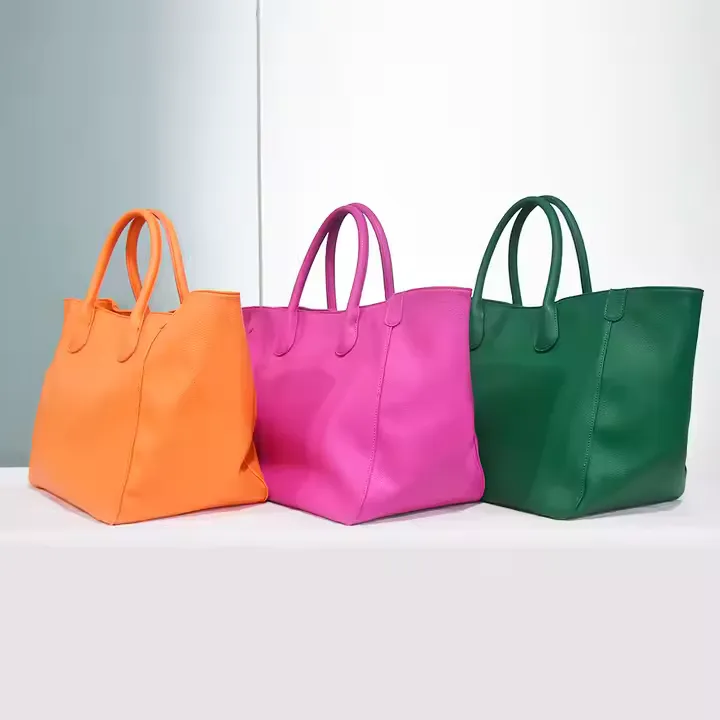
Start your custom bag project with the right material definition. Appearance, structure and surface treatment all affect how the finished bag feels and performs.

DuPont™ Tyvek® is a nonwoven material made from continuous high-density polyethylene (HDPE) filaments. It can have a paper-like or fabric-like feel, depending on the material style.
Buyers often search for Tyvek paper bags or DuPont paper bags. These terms describe a familiar appearance. Tyvek itself is HDPE rather than ordinary paper or kraft paper.
For bags made from Tyvek, we review the material source, grade, color and any coating or lamination before confirming the sample specification. A composite bag may also include a separate lining, zipper, webbing and trims.
Compare other handbag materials or review other nonwoven bag options when defining your collection.
Confirm the material source: If your brief requires genuine DuPont™ Tyvek®, state that requirement at the start. Material sourcing and supporting information should be confirmed before the product specification is approved.
Choose the hand feel and shape you need before deciding the lining, reinforcement and print route.
Paper-like hard-structure styles, including Type 10, give a crisp surface and more defined folds. Review them for structured paper-look totes, gusseted shoppers and small pouches where the folded shape is part of the design.

Fabric-like soft-structure styles, including Type 14, offer a softer feel and more drape. Review them for flexible bag bodies, relaxed shapes and lightweight organizers that need a different touch.
Grade selection for OEM buyers: DuPont lists styles such as 1025D, 1056D, 1057D and 1073D among hard-structure options, and 1443R and 1442R among soft-structure options. These are material references, not a statement of stock. We confirm availability and suitability against your design.
Build a shopper collection around your retail use, carrying needs and brand artwork. Wholesale Tyvek tote bags are quoted by the approved construction and order quantity.

Develop small or large Tyvek bags with a practical opening, comfortable handle drop and interior pocket. Review lined and unlined construction for the hand feel and price level your brand needs.
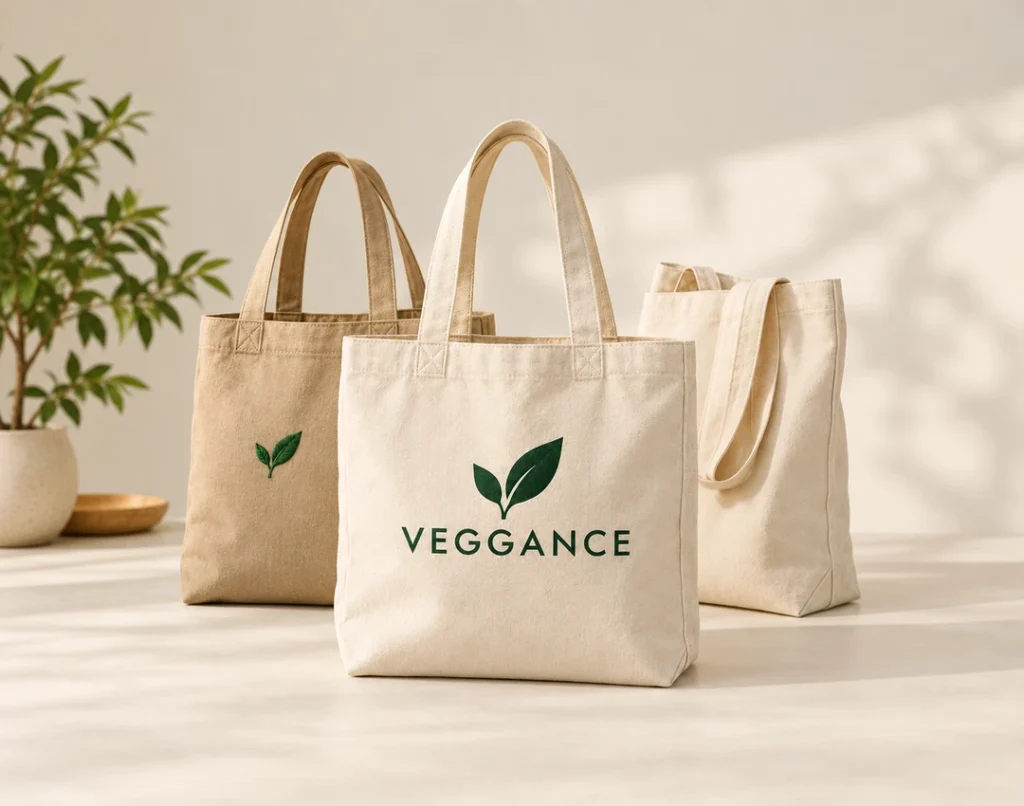
Custom Tyvek shopping bags and grocery bags can be developed with a wider base, stronger handle attachment and a clear print area. Confirm the expected contents and carrying load before sampling.

Review foldable Tyvek tote bags, compact shopping styles and zipper shopping bags for travel or daily use. Check folded bulk, crease appearance, zipper access and handle construction on the sample.
For branded and promotional programs: Share your finished width, height, bottom gusset and target quantity. We can review a custom Tyvek paper-look shopping bag with printed artwork, a matching pouch or a coordinated reusable bag collection.
Develop custom Tyvek handbags with a clear balance between the lightweight body, strap structure and brand details.
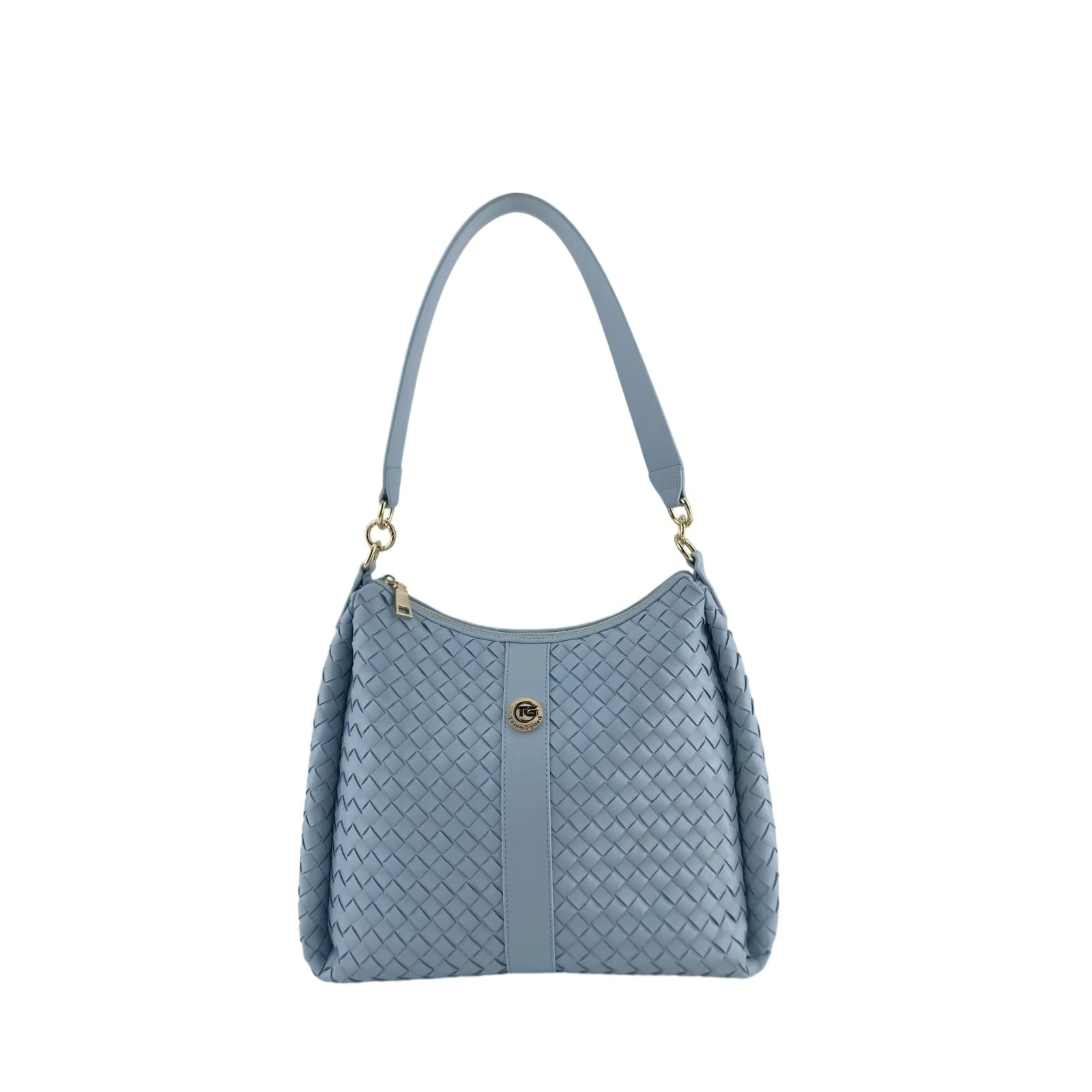
Define the size, adjustable strap, zipper or flap opening and phone storage. Confirm how the strap connects to the body before adding detachable hardware.
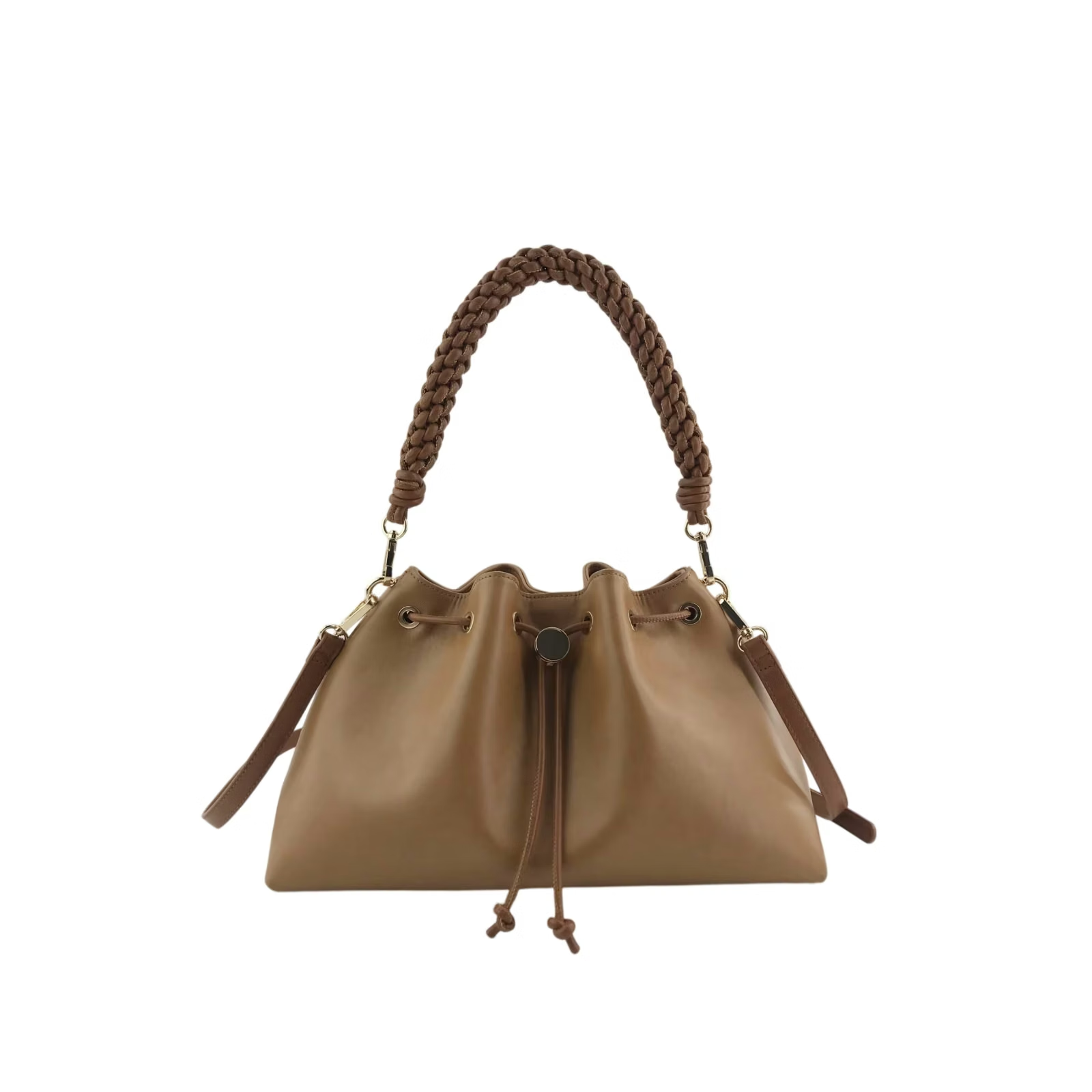
Review relaxed or more structured shoulder silhouettes with webbing, PU or leather handles. A lining and reinforced opening can change the feel of a lightweight bag.

Develop a messenger shape around the intended contents, flap or zipper access and strap drop. Review base support and reinforced carrying points for larger designs.
Create compact paper-look clutch bags with custom dimensions, print and lining. Review wrist straps and hardware with reinforcement suited to the selected material.
Define the wearing position, strap adjustment and quick-access pockets for a compact sling or chest bag. Confirm left- or right-side carrying preferences in the brief.
Develop Tyvek waist bags with a secure buckle, adjustable webbing and a suitable zipper layout. Keep the attachment points and hardware weight in proportion to the body.
Plan a private label pouch range for beauty brands, retail collections and travel gifting. Choose a single style or a matching set of different sizes.
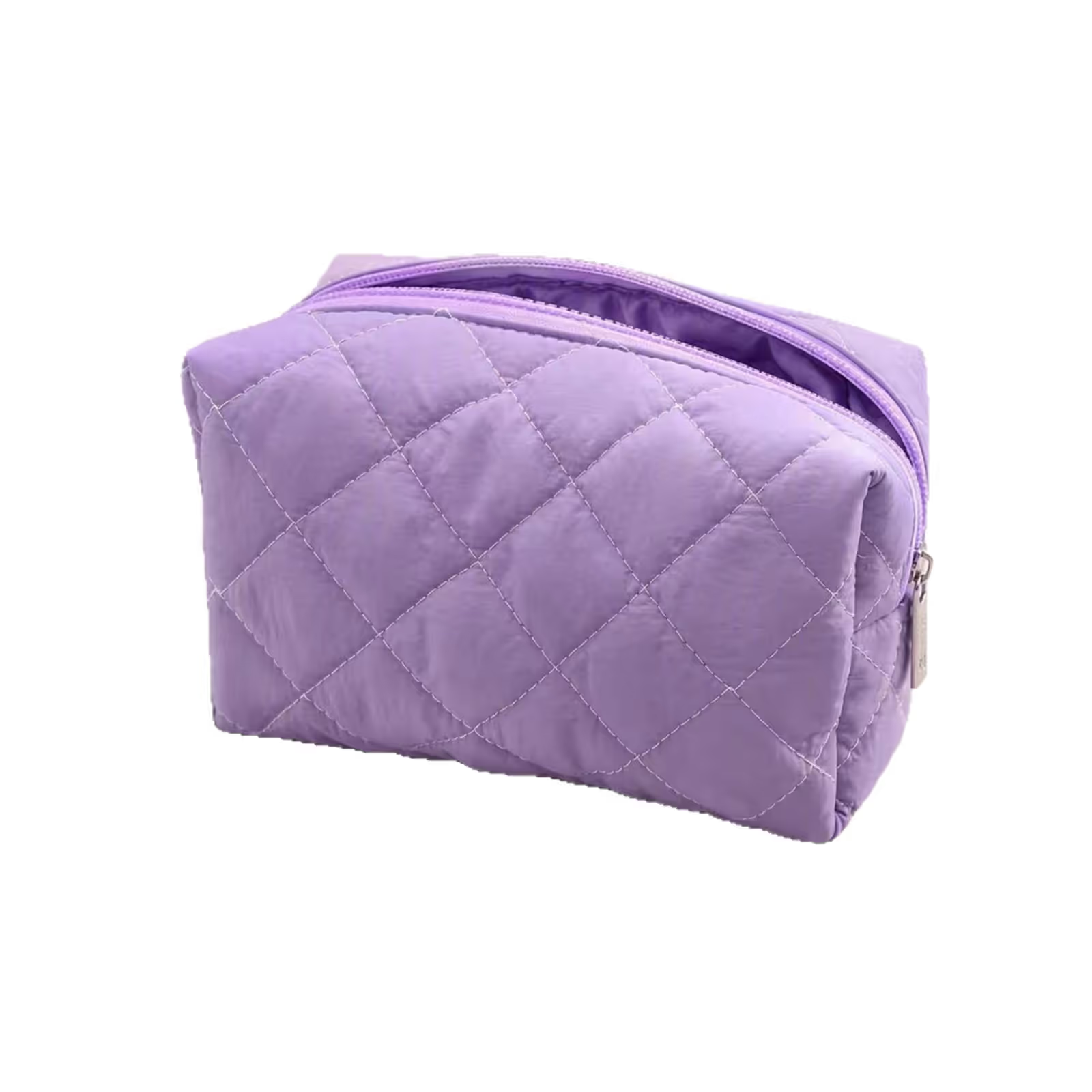
Review a flat or gusseted cosmetic bag with the right opening and lining. Define the products it needs to hold, the print area and the finished size before requesting a quote.

Develop a small zippered Tyvek bag with custom printing, a woven label or a branded zipper puller. Review artwork placement, seam allowance and opening length on the sample.
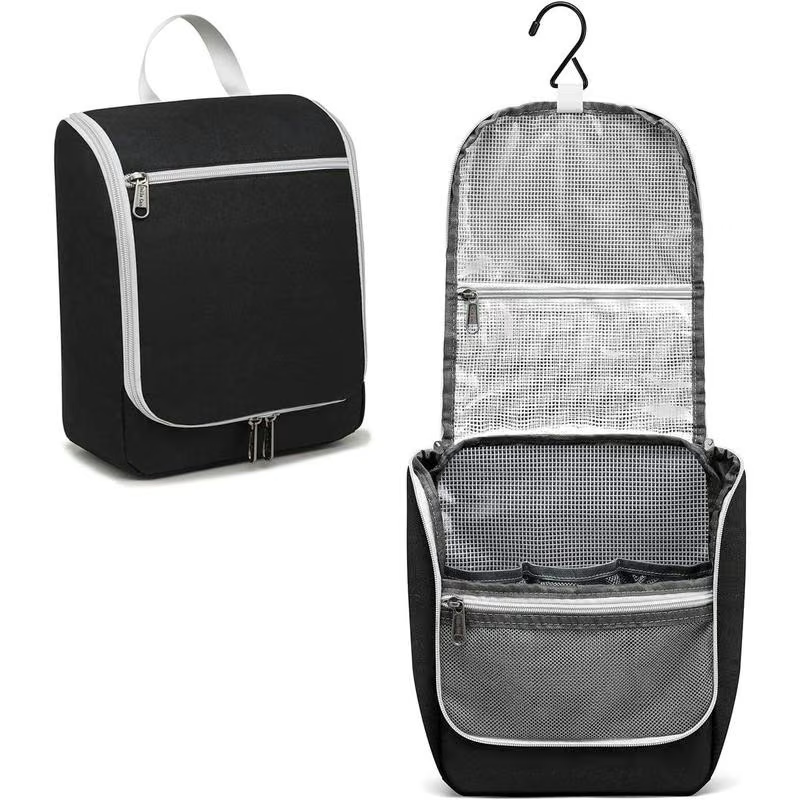
Build travel organizers with separate compartments or inner pockets. Review the lining and cleaning requirements for toiletries, cables or other small travel items.
Matching tote and cosmetic pouch sets: Coordinate colors, artwork and zipper details across several sizes. Each style has its own dimensions, material consumption and MOQ review, so a matching set can be quoted clearly for your wholesale program.
Larger bag styles need the same care with inner structure as with outer appearance. Share what the bag will carry so we can review lining, padding and connection points.

Tyvek travel and duffle bags: Review capacity, a wide opening, hand-carry and shoulder-carry options, and the base construction. See our custom duffle bags for broader structure options.
Tyvek laptop bags and tablet messenger bags: Confirm the device dimensions, padded sleeve, lining and accessory compartments. A paper-look outer layer alone does not establish impact protection. Compare laptop bag development.
Tyvek backpacks and drawstring gym bags: Review shoulder straps, drawcord channels and load-bearing attachments. Our backpack development process helps define the carrying structure.
Tyvek beach bags: Define the opening, base depth, inner pocket and care needs for a large lightweight beach tote. Long-term sun exposure requirements need a separate material review.
Add small accessories to a private label collection or review a coordinated travel storage program. The product use determines the dimensions, closure and material choice.
Tyvek drawstring bags can hold small accessories or form part of a travel set. Phone bags need a clearly defined device size, closure and strap attachment. Review cord, channel and label details together.
Review slim Tyvek card pouches and pencil bags with a practical opening and suitable seam allowance. Match the size to the contents rather than relying on a generic small-bag dimension.
Tyvek shoe bags and travel storage bags can be reviewed as matching accessories. For garment bags, clothing storage bags or laundry bags, send the intended contents and use conditions for a separate feasibility review.
For lunch and picnic programs, review the complete bag construction before making a thermal or cleaning claim.
A Tyvek lunch bag uses the selected paper-look material as an outer shell. Insulated lunch bags, Tyvek cooler bags and insulated picnic bags also need an appropriate insulating layer and inner lining.
For a washable Tyvek lunch bag or cooler bag brief, we review the complete material combination, print and trims before agreeing the care method. Feasibility and sample timing are confirmed for the project.

Make the print and finish part of the material specification. Your artwork, color target and durability needs help us select a practical development route.

Custom printed and imprinted Tyvek bags can be reviewed for screen printing, digital printing or another compatible print process. Confirm ink, surface treatment, artwork coverage and print adhesion on the actual substrate.

Review black Tyvek bags, brown paper-look bags, silver tote bags and gold or metallic Tyvek finishes using physical swatches. Kraft-look describes the appearance; the material composition is recorded separately.

Coated Tyvek bags, PU-coated paper-look tote bags and laminated options need an agreed layer structure. Review the change in hand feel, crease appearance, printing and intended use before sampling.
Artwork and temperature review: Send your logo file, color references, print position and preferred finish. Heat-based decoration needs material-specific checks; a method used on another fabric should not be assumed suitable for Tyvek.
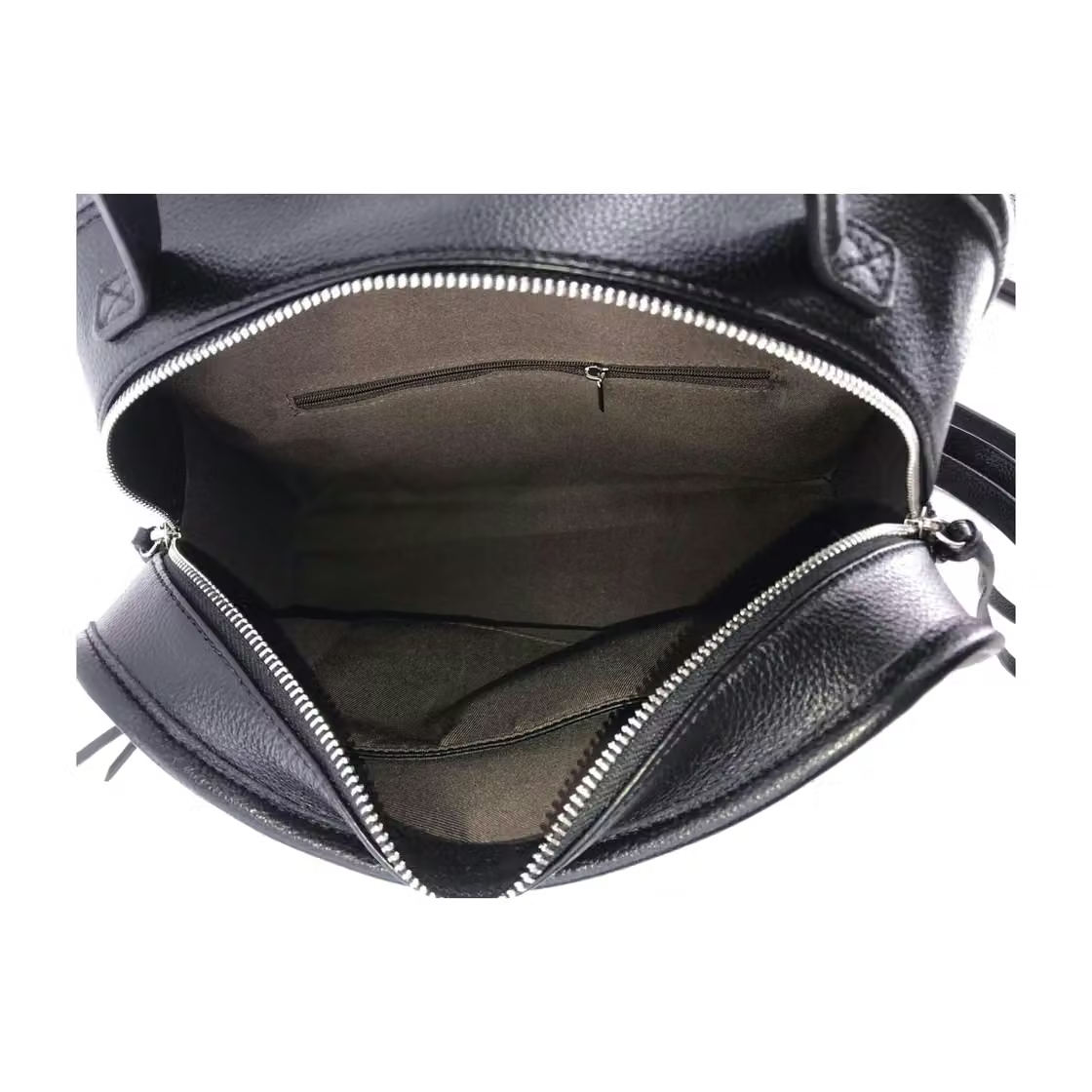
Define the full construction around the selected outer material. A lightweight body still needs suitable support at the opening, base and carrying points.
| Component | Options to review | Buyer approval point |
|---|---|---|
| Lining | Canvas lining, polyester lining or an unlined construction | Hand feel, inner appearance, weight and care |
| Handles | Cotton webbing, PU handles or genuine leather handles | Handle drop, width and reinforced attachment |
| Straps | Adjustable and detachable shoulder straps | Strap length, webbing width and connection points |
| Closures | Zipper closure, flap or drawstring layout | Access, zipper travel and ease of use |
| Hardware | Custom zipper pullers, D-rings, hooks and buckles | Finish, size, weight and reinforcement |
| Interior & base | Interior pockets, zippered compartments and bottom gussets | Capacity, fit, seam layout and base support |
Set the product requirements in terms your team can check on a sample and repeat in bulk production.
| Requirement | What to review | What needs agreement |
|---|---|---|
| Lightweight & foldable | Selected grade, lining, reinforcement and hardware | Finished bag weight, folded bulk and crease appearance |
| Water resistance | Outer material, coating, seams, zipper and opening | Exposure conditions and the finished-bag test |
| Waterproof bag briefs | The complete construction, including every possible entry point | A defined test and acceptance level before using a waterproof claim |
| Tear & carrying strength | Material behavior, seam layout and handle attachments | Expected contents, carrying load and agreed checks |
| Surface durability | Print, coating, repeated folding and rubbing | Approved appearance after the agreed use or test conditions |
| Cleaning | Print, coating, lining, insulation and trims | Care instructions approved for the final construction |
Material properties and finished-bag performance are reviewed separately. A water-resistant outer sheet does not establish waterproof seams or zippers. Start with your intended use so the sample and test plan can address the right conditions.
Use a clear material description and a complete bill of materials when discussing environmental requirements with your buyers.
Specify how the shopper or pouch will be used, carried and cleaned. Review the reinforcement, print and closure for the intended repeated use rather than relying on a general eco-friendly label.
Pure Tyvek is HDPE. Finished-bag recyclability also depends on the selected layers, coating, lining, zipper, cords, labels and local collection route. Confirm the full construction before making a claim.
A recyclable Tyvek bag is not automatically made from recycled material. For a recycled Tyvek bags brief, require verified material information and a supported recycled-content statement before approval.
Documentation follows the selected material: We review the material source and available supporting information for your project. Tyvek should not be presented as compostable, biodegradable or plastic-free. Coated or mixed-material products need an accurate composition description.
Work with a custom bag manufacturer in China to turn your design into an approved production specification. OEM, ODM and private label projects follow the route agreed for your collection.
Share your sketch, tech pack or reference sample. Confirm the bag type, intended use, target market, estimated quantity, price direction and delivery date.
Review Tyvek source and grade, color, surface treatment, lining and trims. Confirm which material requirements need supporting information.
Agree finished dimensions, patterns, opening, pockets, straps and carrying points. Review hardware weight and reinforcement with the bag body.
Check the physical sample for shape, hand feel, fit, print and function. Record your comments and review the revised details.
Approve the material swatches, print, construction, hardware and packing. Keep an agreed sample and written specification for production.
Coordinate production checks, final inspection and protective packing. Review carton details and export requirements before dispatch.
Agree the approval points early so your team can compare the sample, production specification and repeat order materials.
| Stage | Checks for the bag program | Approval record |
|---|---|---|
| Incoming materials | Grade, color, hand feel, surface treatment, lining and trims | Approved swatches and bill of materials |
| Sample review | Dimensions, shape, pocket fit, opening, lining, strap and zipper function | Sample comments and revision list |
| Construction checks | Seam layout, reinforced handle and strap attachments, hardware installation | Agreed construction and applicable strength checks |
| Print & finish | Artwork position, print adhesion, print rub resistance and appearance | Approved print sample and test requirements |
| Final packing | Appearance, function, product protection, labels and quantity | Packing specification and inspection results |
| Repeat orders | Material or supplier changes, batch colors, hardware and print references | Retained sample and updated specification |
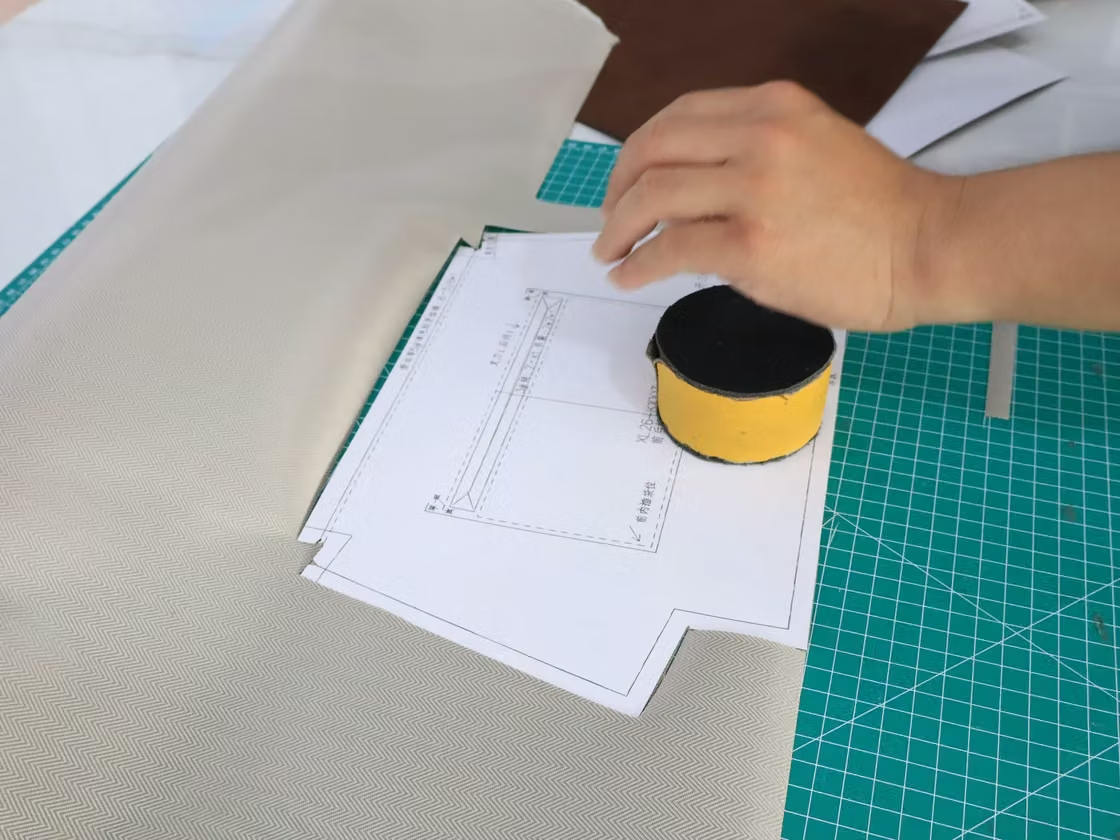
For Tyvek bags wholesale or private label supply, a clear brief makes the quotation easier to compare. Pricing follows the approved materials, construction and quantity.
Our standard custom production MOQ is 500 pcs per style and color. Special grades, custom colors, printing and components may affect the workable minimum. If you need a smaller trial order, send the target quantity for review.
Typical handbag sample development takes 7–14 days after key details are confirmed. For a Tyvek project, material sourcing, special finishes and construction may change the schedule; timing is confirmed before sampling.
Bulk lead time is confirmed after the specification, order quantity and approved sample are clear. Review protective packing, labels, carton dimensions, shipping destination and delivery schedule before production.
Veggance brings handbag development, material coordination and in-house hardware support together for brand and wholesale programs.
Our team has more than 16 years of handbag manufacturing experience and supports custom leather, vegan and textile bag collections. We help brands review the details that connect material selection, sampling and production.
For a Tyvek bag project, we review feasibility around the selected material and construction. In-house hardware development supports custom logo plates, buckles and zipper pullers when the design and attachment structure are suitable.
Read about Veggance and review our factory credentials for supplier qualification.

Social compliance assessment

For eligible recycled-material programs. Applicability is reviewed for the selected material and order.

Facility authorization credentials

Quality management system

Environmental management system

Occupational health and safety management system
Factory credentials and material certifications have different scopes. GRS does not automatically apply to Tyvek material or every finished bag. Request the current documents and project-specific applicability during supplier review.
A clear project contact helps keep material decisions, sample comments and production requirements connected.

I help you turn your Tyvek bag idea into a clear development brief. Share your reference images, estimated quantity and target schedule, and I’ll coordinate the material, dimensions, printing, lining, straps and hardware with our development team.
During sampling, I follow up on your comments and help keep revisions and approvals recorded. For bulk orders, I coordinate communication around the agreed specification, production progress and quality requirements.
If you are planning a matching tote, crossbody and cosmetic pouch collection, I can help organize the details for each style so your team has a clear basis for the next step.
Review the material, construction and ordering questions that affect a custom bag program.
A Tyvek bag uses the selected HDPE nonwoven material rather than ordinary kraft paper. The paper-like texture is part of its appearance. For coated, laminated or lined bags, confirm the composition of all layers and components in the specification.
State whether verified DuPont™ Tyvek® is required. We review the proposed source, grade, finish and available supporting information, then confirm the material direction before the sample is approved. A paper-like look alone does not identify the material.
Start with the desired shape and hand feel. Hard-structure styles have a more paper-like appearance; soft-structure styles are more fabric-like. Compare actual swatches with the intended lining, reinforcement and print treatment before deciding.
Yes, we can review a coordinated collection. Send the required sizes, quantity per style and color, common artwork and shared hardware details. Each bag still needs its own specification and sample approval.
The suitable route depends on the grade, surface treatment, ink, artwork coverage and durability requirement. Screen and digital printing can be reviewed. Heat-based processes require specific material checks. Approve a print sample on the actual substrate.
We review the selected material, seam layout, reinforcement pieces, webbing and hardware with the expected contents and carrying load. Agree the required attachment checks before sampling; material tear resistance alone does not establish the carrying strength of the finished bag.
Only against an agreed finished-bag construction and test. The seams, needle holes, zipper and opening all matter. For ordinary splash exposure, a water-resistant specification may be more suitable. Share the actual use conditions before choosing the claim.
Light cleaning may use a damp cloth, but the final care instructions must suit the complete bag. Printing, coatings, linings, insulation and hardware can change what is suitable. Confirm the method on the approved sample before issuing care labels.
Do not assume the entire bag follows the same recycling route as pure Tyvek. Review the full bill of materials, layers, coatings, closures and local collection options. A recyclable-material statement should match the actual construction and destination market.
Request material-specific information that supports the claimed recycled content and identifies which component it covers. Recyclability is not evidence of recycled content. We do not treat every Tyvek bag as a recycled-material product.
Confirm capacity, insulation, lining, seams, closure and cleaning requirements. State how food will be packed and whether it may touch the lining. Thermal and food-contact requirements need a project-specific review rather than a claim based only on the outer material.
The standard custom MOQ is 500 pcs per style and color, subject to material and component requirements. Typical handbag sampling is 7–14 days after details are confirmed, while Tyvek sourcing or special processes may affect timing. Bulk production is scheduled after sample and specification approval.
We use the approved sample, swatches, print references and written specification to review repeat production. Confirm any material, supplier, coating, lining or hardware changes before proceeding, and check batch color and hand feel against the agreed reference.
Send the bag type, dimensions, reference images or tech pack, material requirement, quantities per style and color, artwork, lining, hardware and packing details. Include your target market, delivery schedule and testing or documentation needs.
Send your design direction and order plan. Our team will review the material, construction and next steps for your OEM, ODM or private label project.
DuPont™ and Tyvek® are trademarks or registered trademarks of DuPont or its affiliates. Material selection and sourcing are confirmed for each project.
 Optimized by Seraphinite Accelerator