
Everyday Tote
A straightforward shape for retail collections, bookshops and branded merchandise.
Set the usable opening, handle drop and finished dimensions.


Organic cotton canvas bags · OEM / ODM
Develop organic cotton canvas bags around your brand, intended use and approved material specification. Veggance connects fabric sourcing, bag construction, sampling and bulk manufacturing for brands, retailers, importers and wholesale programs.
Start with a tote, a reference image or an early design. We help define the fabric, dimensions, colors and branding, then review the organic-content requirements for the selected materials.

Product directions
Plan custom tote bags around the collection and the way they will be carried. Size, lining and reinforcement matter alongside the fabric.
A straightforward shape for retail collections, bookshops and branded merchandise.
Set the usable opening, handle drop and finished dimensions.

Develop organic cotton canvas tote bags for grocery, gift and reusable shopping programs.
Review the bottom gusset, bottle sections and handle attachment.

Plan an organic cotton canvas work tote bag around the contents your customer carries.
Define the pocket layout, closure and any protective compartment.

Explore a larger tote with a practical opening and optional trolley sleeve.
Confirm usable capacity, sleeve dimensions and carrying comfort.
A coordinated range can also include custom backpacks, canvas zipper pouches, toiletry bags, laptop bags, messenger bags and duffle bags. Each product needs its own structure and material review.
Material selection
Organic cotton describes the cotton source. Canvas describes the fabric construction. Neither the color nor the weight, on its own, establishes organic content.
Review organic cotton canvas fabric for texture, stiffness, drape and printing detail. Cotton duck is a closely woven canvas direction worth comparing when a design needs more structure.
Natural and unbleached organic cotton canvas can offer a neutral material direction. White, black and other brand colors need a defined shade reference and approved fabric sample.
For a 12oz organic cotton heavy canvas tote bag, review the complete construction as well as the weight. A heavier fabric does not replace suitable seams, handles or base support.
| Specification | What to define | Why it matters |
|---|---|---|
| Fiber composition | Cotton percentage, any blend and the component covered by the claim. | A bag body, lining and handles may use different materials. |
| Fabric weight | Record GSM or oz/yd². Review requested weights such as 7, 9, 10 or 12 oz against available materials. | Weight affects feel and structure; availability is confirmed per project. |
| Weave and finish | Canvas or cotton duck direction, surface feel and any treatment. | Check cutting, folding, sewing and decoration on the actual fabric. |
| Color and variation | Natural shade or dyed reference, visible flecks and acceptable variation. | Approve the appearance on physical samples. |
| Organic-content evidence | Required percentage, covered components and supporting records. | Keep the product description aligned with the materials actually used. |
Dimensions and details
Turn a material direction into a bag specification your team can review. Confirm usable space, carrying method and the items the bag needs to hold.
| Bag detail | Options to discuss | Sample checkpoint |
|---|---|---|
| Dimensions and gusset | Finished width, height, depth, bottom gusset and usable opening. | Check fit with the intended contents, including books or travel items. |
| Handles and straps | Self-fabric handles or cotton web handles; hand-carry or shoulder length. | Approve handle drop, grip and attachment position. |
| Pockets and sleeves | Inside pocket, divided storage, bottle sleeves or a trolley sleeve. | Confirm each compartment with the object it needs to hold. |
| Closure and lining | Open top, zipper, selected lining and suitable internal support. | Review access, lining fit and how the bag keeps its shape. |
| Seams and base | Reinforced attachment points, appropriate stitching and base support. | Review double-stitched areas where specified and agree any load check. |
We review load expectations with the material, seams, handles and base together. No single fabric weight establishes the carrying capacity of every finished bag.
Your brand details
Match the decoration to the fabric and artwork. Approve the result on a sample before your printed, embroidered or private label bags move into production.
Compare screen print, digital print and embroidery for your logo or illustration. Share the artwork, dimensions, placement and color references so we can review a suitable method.
Use a physical reference, Pantone direction and lab dips where applicable. Confirm the imprint area and approve the fabric color and decorated sample together.
Coordinate woven labels, care labels, custom hang tags and packaging details. Material and certification wording must match the scope of the confirmed order.
For custom printed organic cotton canvas tote bags, the same artwork can look different on a smooth or textured surface. Coated and waxed options need their own decoration review.
Compare material directions
Fiber source and surface treatment answer different questions. A material can combine an organic cotton base with a finish, but the selected composition and performance still need to be checked.
| Material direction | What it describes | What to review |
|---|---|---|
| Organic cotton canvas | The cotton source and the selected canvas fabric. | Organic-content evidence, component coverage, weight and hand feel. |
| Recycled cotton canvas | Recycled inputs and the actual blend used in the fabric. | Recycled percentage, composition, strength and sourcing records. This does not establish organic content. |
| Waxed organic cotton canvas | An organic cotton base with a specified wax treatment. | Finish composition, crease character, color transfer, decoration and care. |
| Coated organic cotton canvas | An organic cotton base with a specified surface coating. | Coating composition, coverage, gloss, flexibility and behavior on sewn panels. |
If your brief calls for water resistance, describe the exposure conditions and expected result. A water-resistant waxed finish is not the same as a waterproof finished bag: seams, zippers and openings also matter.
Specialty waxed or coated materials are reviewed against supplier availability and the bag design before we confirm the development route.
Material claims
Define the claim before choosing the material. The evidence should identify what is organic, which parts of the bag it covers and what the requested documentation can support.
| Buyer requirement | What to identify | How to use it |
|---|---|---|
| A specified organic percentage | Fiber composition and the covered fabric or component. | Describe the selected material precisely; avoid applying a body-fabric claim to the whole bag. |
| 100% organic cotton fabric | The exact textile and whether linings, webbing or trims differ. | Use this wording only when the selected composition and records support it. |
| GOTS-certified finished goods | The relevant certified entities, processing scope and product coverage. | Review the complete applicable chain and labeling requirements. A certified fabric alone is not proof of a certified finished bag. |
| Order-specific traceability | Required supplier records and any applicable Scope Certificate or Transaction Certificate. | Confirm what is available for the selected supply chain and order before using a certification claim. |
Share any required standard or document with your first inquiry. Material records, factory management-system certificates and finished-product certification serve different purposes; one does not replace the others.
Development and quality
Bring the material, measurements and brand details into one approved specification. Clear sample comments help keep revisions and bulk-production decisions connected.
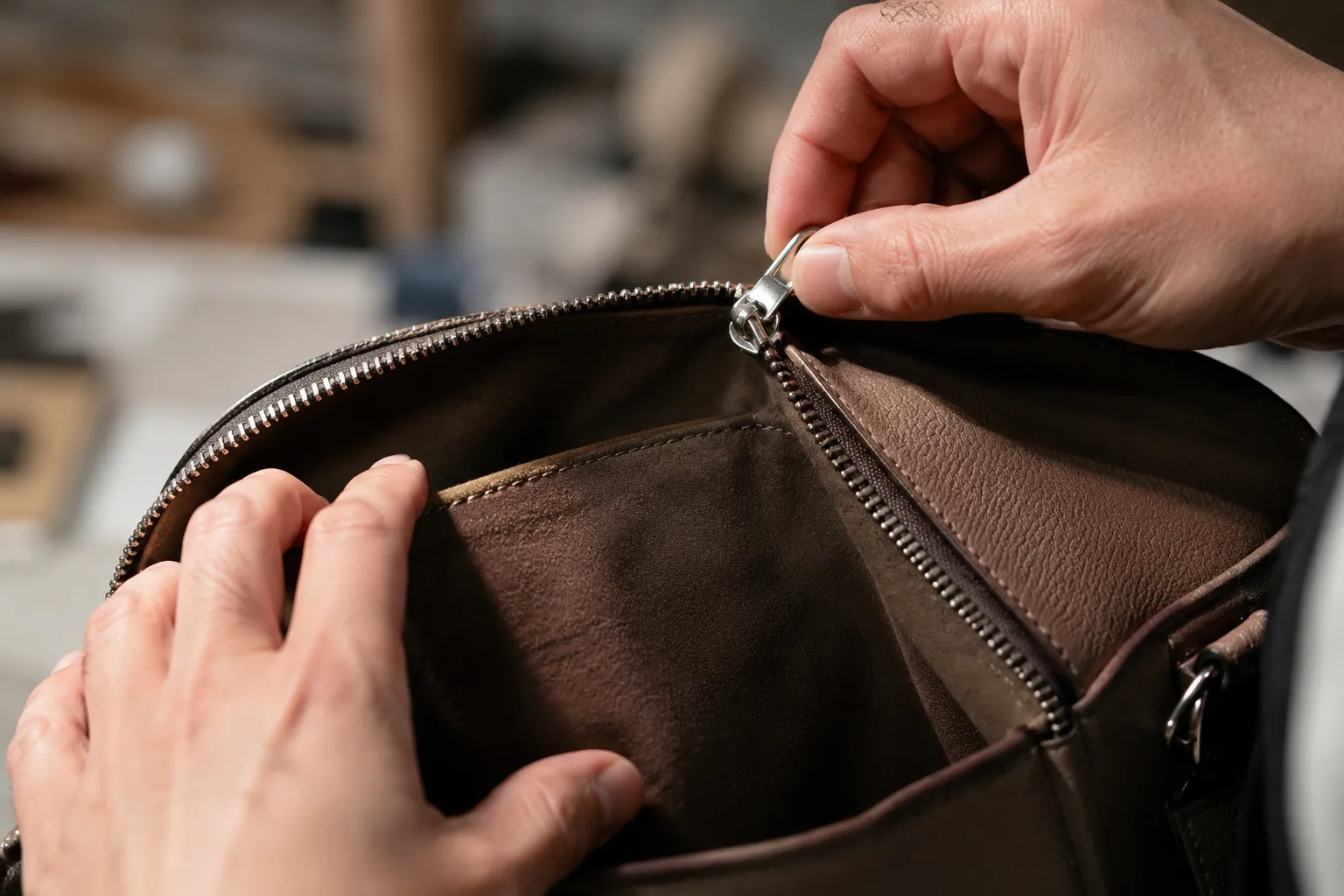
Review fabric swatches and the first bag sample. Mark measurement changes, material comments and artwork revisions clearly.
Record the approved sample, colorways, bill of materials, branding and packing details. Review bulk materials against the agreed specification.
Keep the earlier approvals available for repeat orders. Review material, shade or component changes before using them in a new production run.
Order planning
Plan a custom manufacturing program around quantities, material minimums and approved samples. A wholesale inquiry does not need a complete technical pack to begin.
| Order detail | Starting point | What we review |
|---|---|---|
| Quantity and color split | Estimated pieces for each style and color. | Our standard MOQ is 500 pcs per style and color. Special fabric, dyeing, print and component minimums are reviewed separately. |
| Sample development | Reference images, dimensions, material direction and logo. | Typical sampling is 7–14 days after key details are confirmed. Specialty material sourcing or additional revisions may change the schedule. |
| Target cost | Budget direction, required features and packaging. | Fabric weight, dimensions, lining, pockets, decoration and order quantity influence the quotation. |
| Bulk timing | Target launch or delivery date and destination market. | Material availability, sample approval, production requirements and shipping arrangements are confirmed for the order. |
| Protection and packing | Retail labels, shape support and carton requirements. | Review folding, compression, surface protection and any risk of color transfer during packing. |
For bulk organic cotton canvas tote bags with a logo, share the total quantity and proposed color breakdown. We can review cost choices around a simpler construction, decoration method or packaging plan without assuming the cheapest option will suit your product.
Veggance coordinates development and manufacturing in Guangzhou, China. Tell us your destination market so we can discuss the relevant order and delivery requirements.

Your project contact
Tanya Tan · Handbag Product Manager
Hi, I’m Tanya. I help turn your bag idea into a development brief our team can review. For an organic cotton canvas project, I start with the intended use, fabric direction, dimensions and the material records your brand needs.
I coordinate your swatches, logo details and sample comments with our development team. Before bulk production, I help keep the approved sample, materials, colorways and packaging decisions together.
For a repeat order, I follow up on changes to the previous specification so your team can review them before the next run. You can begin with a reference image and an estimated quantity.
Start with your brief
Share what you already know. We can help identify the material and construction questions that still need a decision.
Your bag direction
A sketch, reference image, existing sample or short description.
Estimated quantity
Pieces per style and color, plus your destination market.
Material and branding
Fabric feel or weight, organic-content requirements and logo artwork if available.
Timing and priorities
Target delivery date, budget direction, packaging or documentation requirements.
You do not need every detail confirmed before contacting us. Send your starting point and we will review the next development step with you.
 Optimized by Seraphinite Accelerator