

Veggance · China · Brand development
OEM & ODM Handbag Manufacturing for Private Label Brands
Turn your design direction into a clear development and production plan. Veggance helps fashion brands, retailers and private label buyers define the materials, responsibilities and approvals behind a handbag order.
Bring a tech pack, a reference sample or an early idea. We can start by reviewing what you have and identifying the next decisions for your project.
Your design · Factory development support · Your brand

A project begins with a shared direction for the product, materials and details.
Choose a starting point
OEM vs ODM Handbags: Choose Your Development Route
The useful difference is where the design starts and which development tasks each side takes on. Both OEM handbags and ODM handbags require a confirmed brief, feasible specifications and buyer approval.
| Project decision | OEM route | ODM route |
|---|---|---|
| Design starting point | Your design direction, drawings, specifications or reference sample. | A factory-proposed direction or an available base style, assessed against your brief. |
| Development support | Review feasibility and agree the pattern making, material sourcing and sampling needed to produce your design. | Agree which features can be adapted and which changes require further development. |
| Buyer input | Product requirements, brand files, material direction, quantities and approval comments. | Target customer, product direction, required changes, brand files and quantities. |
| Customization limits | Changes are assessed against the structure, materials, components and intended use. | Available changes depend on the selected base design and the agreed development scope. |
| Before production | Approve the sample, final specifications, commercial terms and schedule. | Approve the selected design, adaptations, sample, commercial terms and schedule. |
Where does Private Label fit? It describes the use of your brand. A private label project can follow either an OEM or an ODM arrangement; it is not a separate third manufacturing route.
For leather handbag contract manufacturing, the same questions apply: who supplies the design, who sources each material and who approves the finished specification? Agree these responsibilities before the project moves forward.
Build a brand collection
Private Label Handbags for Your Brand
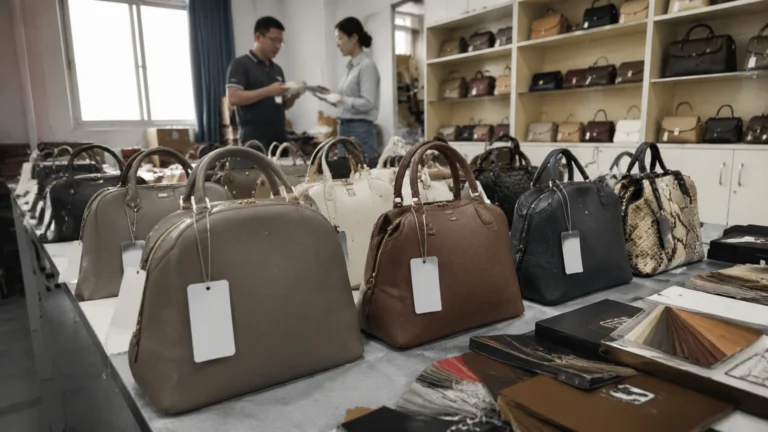
Compare the collection direction before confirming each style and colorway.
Private label bags need more than a logo. The silhouette, material, lining, hardware and packaging should work together for your customer and price position.
Private label handbag production in China can support an original design or an agreed development direction. The right starting point depends on your existing specifications and the changes your collection needs.
For retailers and distributors building an own-label range, a wholesale private label handbag order is planned around the agreed styles, colors and quantities. Each project follows its own development and production requirements.
Compare Custom Tote Bags and Custom Crossbody Bags when choosing the starting silhouettes for your collection.
Designer collections
For private label designer handbags and OEM fashion handbag projects, define the customer, silhouette and intended price position. If you are developing private label luxury handbags, translate that direction into material, hardware and finishing criteria that can be checked on a sample.
Vegan directions
For private label vegan handbags, review the body material, trims, lining and other components together. An ODM vegan handbag production project still needs agreed material specifications and sample approval.
The Vegan Leather Bags range provides a starting point for discussing material options.
Overseas brands
For private label handbags destined for Europe and other overseas markets, include your market, labeling, packaging and documentation requirements in the brief. Manufacturing is based in China; product and material requirements are reviewed for the project.
Agree the work
Define Your Handbag Manufacturing Scope
Changing a logo, changing a material and rebuilding a bag structure involve different work. A clear scope makes it easier to review a quotation and understand the decisions needed from your team.
| Work area | Your input and approval | Support to agree |
|---|---|---|
| Design and structure | Reference views, dimensions, intended use and construction notes. | Technical review, pattern development and structural customization. |
| Materials and components | Material spec, lining, colorways, hardware finish and required reinforcement. | Material sourcing, swatches and component coordination. |
| Branding and packaging | Logo artwork, placement, labels and packaging requirements. | Suitable applications, packaging specifications and sample checks. |
| Samples and revisions | Consolidated review comments and an approved specification revision. | Sample stages, revision rounds and any associated fees. |
| Production handover | Approved sample, order details and agreed delivery requirements. | Bulk production, quality control and packing against the agreed specification. |
PU leather and genuine leather can call for different construction choices. Lining, reinforcement, hardware plating and edge finish also need to work with the bag structure, rather than being selected in isolation. The Materials overview helps narrow the material direction before sampling.
Use Bag Customization to explore the available changes. Logo Customization, Color Customization, Lining Customization and Custom Bag Hardware address individual details; Custom Packaging covers the finished presentation. The OEM/ODM brief brings those decisions into one agreed scope.
Prepare the brief
What to Prepare for an OEM or ODM Handbag Project
Already have a Tech Pack? Share the current version with your product views, materials, measurements and construction notes.
Still developing the idea? Start with reference images, approximate dimensions, intended use and the support you need. A complete technical file is not required for an initial conversation.
For an OEM custom handbag project, technical flats, points of measure and a bill of materials (BOM) help clarify the design. For an ODM custom handbag project, explain what you like about the starting direction and which features need to change.
Handbag Development covers the technical work behind the brief. Reference samples and material swatches can help communicate proportions, texture and hand feel.

Product views, material notes and color references help make a design direction specific. The example shown is not a specification for every order.
| Information | Useful starting material | If it is not decided yet |
|---|---|---|
| Shape and size | Technical flats, main dimensions or a reference sample. | Share reference views and describe the intended use. |
| Materials and details | Body material, lining, hardware, reinforcement and construction notes. | Describe the look, feel and functional requirements. |
| Brand and colors | Logo files, placement, colorways and quantity per color. | Share your brand direction and estimated quantities. |
| Order plan | Target market, expected order size and requested delivery date. | Give a planning range and explain your launch priorities. |
Check project feasibility
Handbag Manufacturing Pricing, MOQ and Lead Time
A useful quotation reflects the actual specification. Material choices, construction, quantities and special development all affect the work involved.
MOQ by style & color
Review the handbag MOQ per style and color alongside the minimum quantities of the selected materials, hardware and packaging.
For small batch handbag manufacturing, share the proposed split across styles and colors so the project can be assessed against component and production requirements.
Cost breakdown
Handbag manufacturing pricing depends on materials, structure, finishing and order quantity. Clarify sample fees, revision work, custom hardware tooling and bulk production costs separately.
Agree what the handbag sampling cost includes and how later changes will be handled before development begins.
Production timing
Plan for specification review, material preparation, sampling, final approval and bulk production. The handbag production lead time depends on the agreed order and its readiness to proceed.
State your required delivery date and shipping destination. Production completion and arrival at destination are separate milestones.
For a first review: send the style references, material direction, quantity per color and target date. Add a target price if you have one, and flag custom molds or special packaging early.
Keep the approved version clear
From Sample Approval to Bulk Production
- Confirm the brief and scopeRecord the design starting point, development responsibility, materials and open decisions.
- Review the development sampleCompare the sample with the brief. Combine comments on shape, dimensions, construction and components into a clear revision list.
- Record the approved specificationConfirm the final materials, hardware, branding, tolerances and applicable pre-production sample before release to bulk production.
- Coordinate production and checksUse the agreed sample and specifications as the reference for execution, inspections and packaging.
- Retain the order referenceKeep the sample approval record and revision history for repeat orders. Material substitutions and later changes still need review.
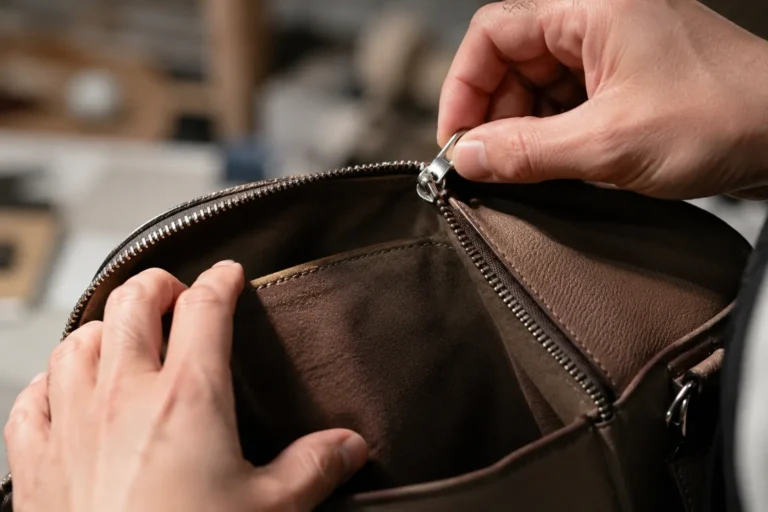
Review closures, internal construction and finishing against the agreed sample requirements.
Different samples have different roles. A reference sample communicates a direction; a development sample tests the design. A pre-production sample provides an agreed production reference where required. The first sample is not automatically the final approval.
Sampling & Prototyping covers sample stages and revisions. Manufacturing Process explains the production work, while Quality Control addresses inspection requirements. If a specification changes after approval, review the cost, materials and timing before proceeding.
Clarify the agreement
Design Files, Confidentiality and Project Rights
Before sharing sensitive design information or funding special development, agree how the project materials will be used and what will be delivered.
Confidential information
Discuss an NDA and the intended use of non-public design files, reference samples and project information before detailed development begins.
Design ownership
Identify buyer-supplied designs, factory base designs and jointly developed changes. Agree any usage restrictions or exclusivity in writing for the specific project.
Patterns & technical files
Confirm whether production patterns and technical files are deliverables, in which format and with what permitted use. Sample fees and file transfer are separate points to clarify.
Custom hardware tooling
Agree mold charges, use, storage and arrangements for future orders. Any transfer or exclusive use needs a specific agreement.
Custom Bag Hardware covers the component development discussion.

A contact throughout your project
Your Project Contact: Tanya Tan
Handbag Product Manager · Veggance
I help turn your handbag brief into a clear set of decisions for our development and production team. I organize the design references, material direction, quantities and timing so we can see what is ready and what needs further discussion.
During sampling, I follow up on your comments and coordinate the approval details. As the project moves toward production, I help keep the agreed specifications, changes and progress updates clear.
You can start with the information you have. Tell me where you are in the project and which questions you want to resolve first.
Meet Tanya introduces my role in more detail. You can also explore Veggance for the broader factory overview. The Handbag Sourcing Guide and handbag manufacturer comparisons can help if you are still evaluating production partners.
Share your starting point
Start Your OEM/ODM Handbag Project
Looking for OEM handbag manufacturing services or private label handbag services? Share a short brief so we can review the design route, order requirements and next development steps.
For a handbag manufacturing quotation, include the information you already have. If a material, specification or quantity is undecided, tell us where you need guidance.
- Bag style, reference images or current design files
- Material direction and important construction details
- Estimated quantity by style and color
- Target market and requested delivery date
- The development support you need
A short project description and your contact details are enough to begin the conversation.
