Material priorities
Identify the component and composition you want to change. Specify recycled content or animal-source restrictions where required.


Materials · People · Product life
Build your collection around clear material choices and practical production requirements. Veggance helps brands, retailers, importers and wholesalers connect sustainability priorities with custom handbag development, OEM / ODM and private label production.
As a sustainable handbag manufacturer, our approach starts with the product: its composition, intended use, durability, target cost and the evidence available for the selected materials and order.
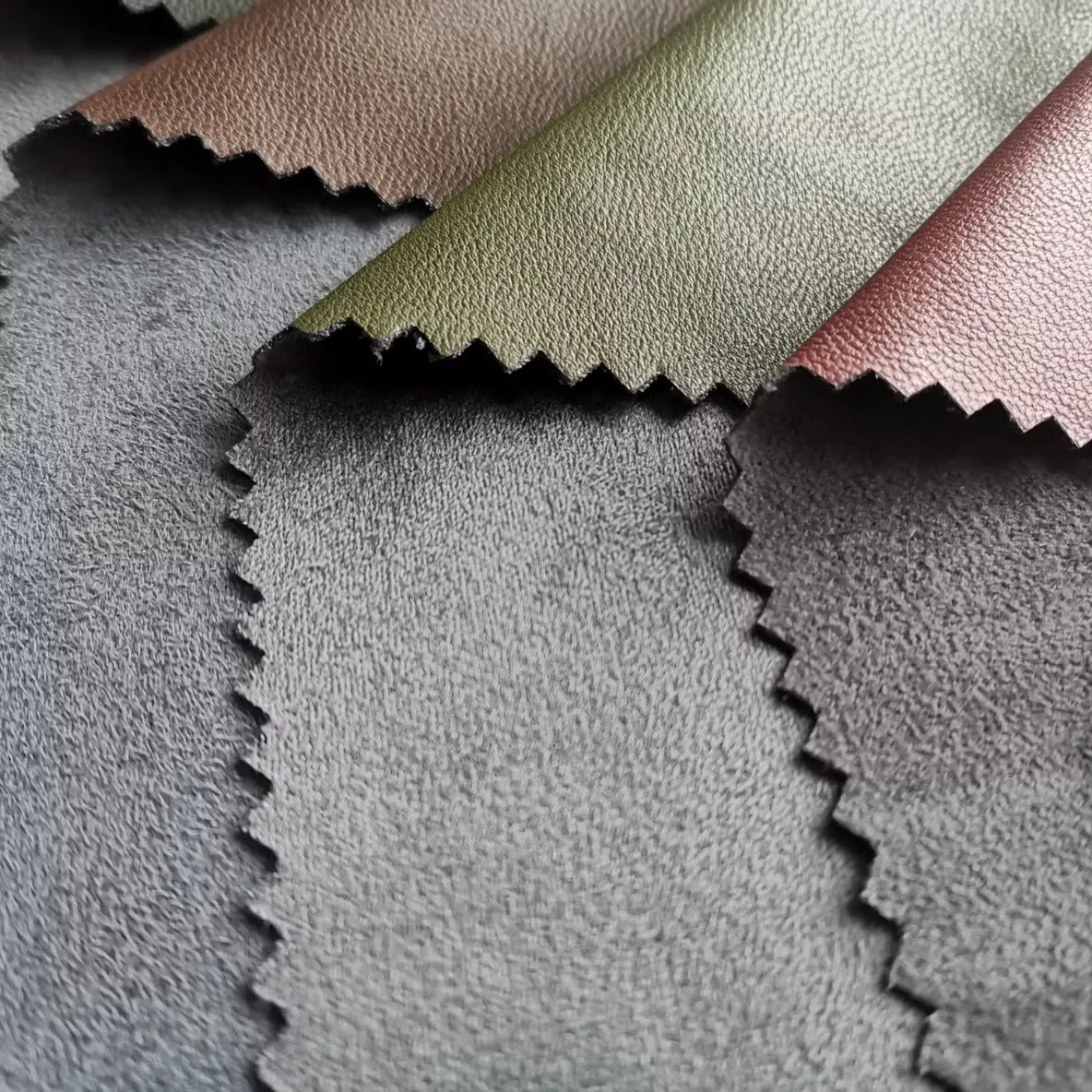
01 / Define the brief
Handbag sustainability means different things for different collections. You may prioritize recycled content, animal-free components, a particular material document, longer product use or reduced-plastic packing. Define that priority before choosing the material.
For responsible bag sourcing, retailers and brand teams need a brief that connects these goals with the bag type, destination market, purchase quantity and commercial plan.
Identify the component and composition you want to change. Specify recycled content or animal-source restrictions where required.
Set the intended use, structure, hand feel, carrying load and performance expectations for your collection.
Share your handbag supplier sustainability assessment, material checklist and supplier-approval requirements.
Align the target price, quantity per style and color, sampling plan and required delivery schedule.
02 / Compare the options
Material sourcing should balance appearance, composition, construction and expected use. Compare the coating, backing, thickness, strength and care needs of each option before approving custom sustainable handbags for bulk production.

Review recycled PU, recycled nylon, recycled cotton and recycled leather for the shell, lining or selected components. Recycled polyester may also be assessed for agreed textile or lining applications.
For custom bags with recycled materials, confirm the source, blend and recycled content of the selected grade.
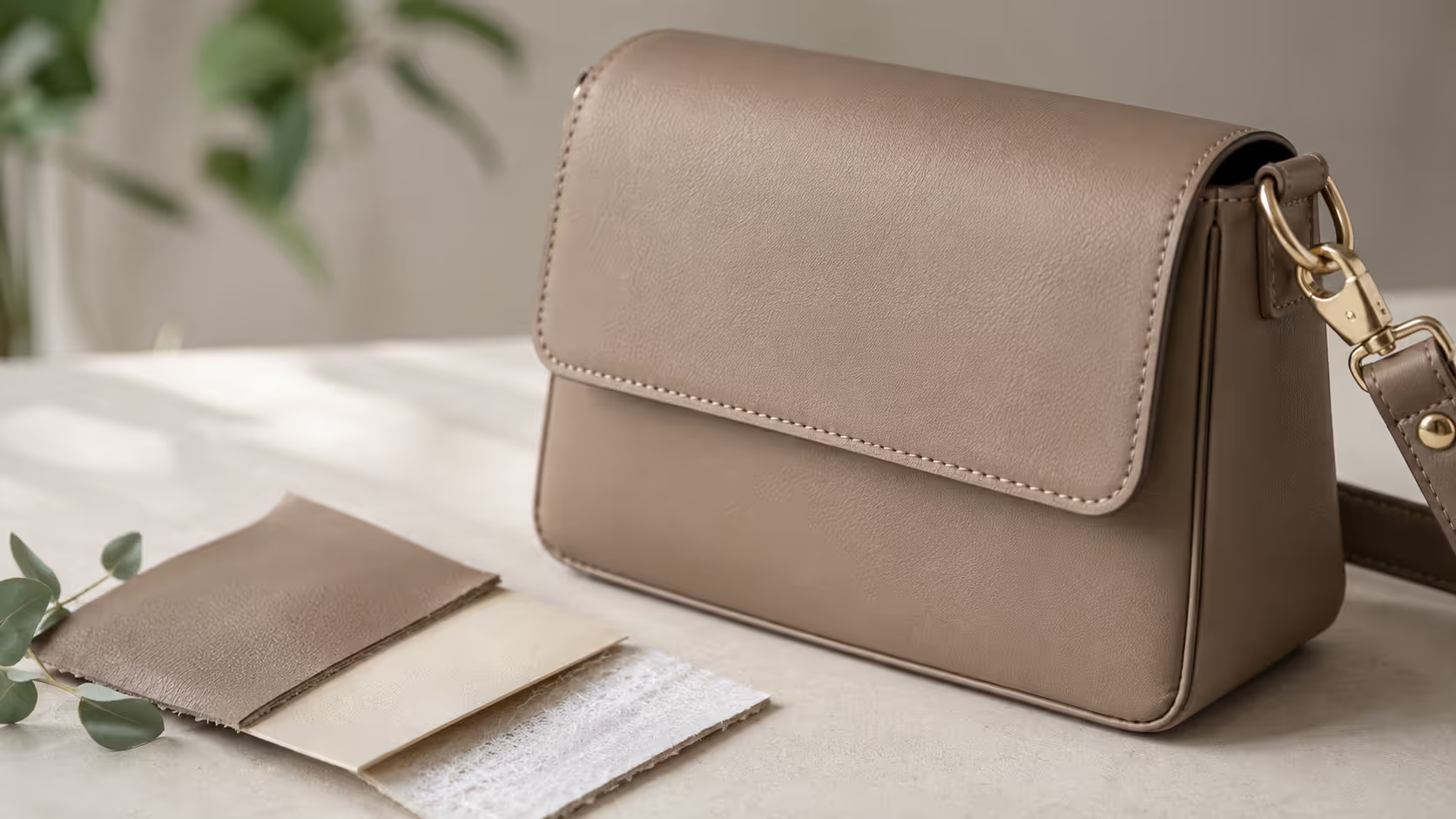
Explore apple-based, cactus-based, corn-based and coffee-based materials alongside other vegan leather alternatives.
Review the full composition, including coatings and backings. Confirm animal-free requirements across the agreed finished-bag components; a plant-based name alone does not explain the entire material.
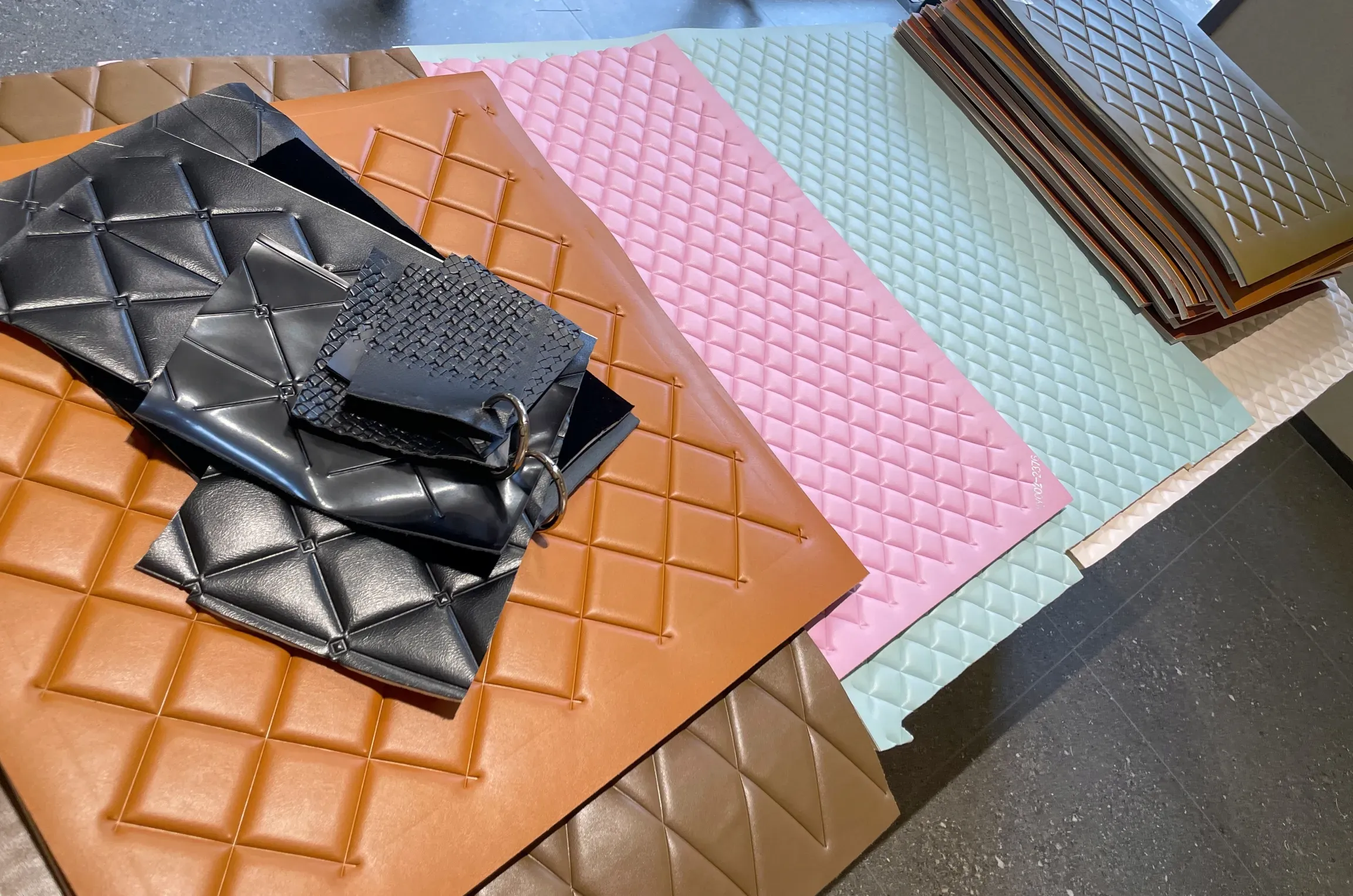
Compare cotton canvas, linen, jute, raffia and cork for the right aesthetic and function. If your brief specifies hemp, request a sourcing review to confirm availability and suitability.
Check fiber blends, finishes, linings and trims rather than treating the natural-material name as proof of environmental performance.
For private label sustainable handbags, approve the actual material grade and complete construction. Vegan, plant-based, recycled and natural describe different attributes and should be supported by the relevant information.
03 / Connect the material to the bag
Recycled material sourcing for handbags starts with a precise question: which component contains recycled inputs, and in what proportion? A lining fabric's recycled percentage does not describe the composition of the complete bag.
Ask whether the inputs are pre-consumer recycled material or post-consumer recycled material. Traceable handbag materials require relevant sourcing records, a clear composition sheet and a connection to the selected product specification.
| Bag component | What to confirm | What to record |
|---|---|---|
| Shell & lining | Fiber or material composition, recycled content, thickness or fabric weight and approved color. | Material specification, supplier reference and the component covered by the claim. |
| Backing & coating | Substrate, coating composition, finish and any blend affecting the proposed material description. | Full material description, available composition information and selected grade. |
| Webbing & zipper tape | Composition, recycled inputs where specified, color and functional suitability. | Component specification and the supporting documentation available for that item. |
| Hardware & trims | Base material, plating or finish, attachment method and relevant buyer requirements. | Approved hardware reference, finish sample and applicable test requirements. |
Use a bill of materials (BOM) to connect the shell, lining, backing, coating, webbing, zipper tape and hardware to the approved bag. Retain supplier records and distinguish component-level information from finished-product claims.
04 / Review the evidence
Share your material documentation requirements before sampling or quotation. We can review which supporting documents are relevant to the proposed material, supplier and order.
For eligible recycled-material programs, the Global Recycled Standard (GRS), a Textile Exchange standard, links recycled-content verification with chain of custody and additional processing requirements.
Certification scope and certificate validity matter. An organization's scope certificate does not mean that every material or finished handbag it sells is certified.
Check the organization, validity and listed product or process scope. Confirm that the proposed material and production route fit the relevant scope.
Used to verify the certified status of specific traded products. Availability and the applicable certification chain must be confirmed for the order; a TC is not an automatic document for every project.
Review the Material Specification Sheet, composition sheet, supplier records and approved material reference. Agree on any Test Report requirements and keep the documents connected to the BOM.
05 / People & working conditions
Responsible handbag manufacturing includes how people work as well as what goes into the product. Supplier assessment should consider labour standards, working conditions, occupational health and safety, and follow-up on audit findings.
When evaluating a responsible handbag supplier, request the relevant current records. Review the facility, audit date, scope, findings and corrective action rather than relying on a logo alone.
Social-compliance audit information and, where applicable, a Corrective Action Plan Report (CAPR). SMETA is an audit methodology, not a product certification.
A social-compliance audit framework. If your supplier checklist requests BSCI, confirm the applicable facility report and its current status.
Environmental management-system information, reviewed against the actual certificate, version and scope.
Occupational health and safety management-system information, distinct from material or product certification.

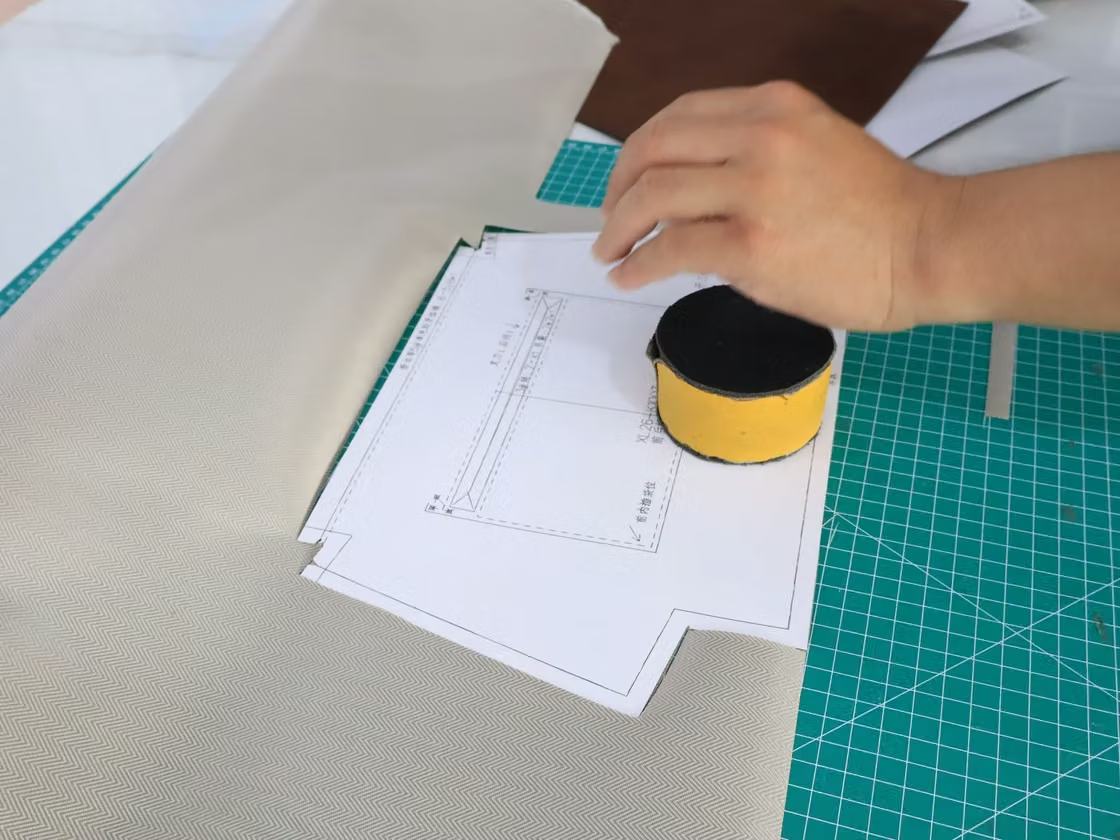
06 / Develop for the intended use
Product durability belongs in the development brief. A material's recycled or plant-based content should be considered alongside the bag's structure, function and expected use.
Apply these requirements to your custom tote bags, crossbody bags or private label shoulder bags. Tests and acceptance criteria are agreed for the specific project.
07 / Keep production aligned
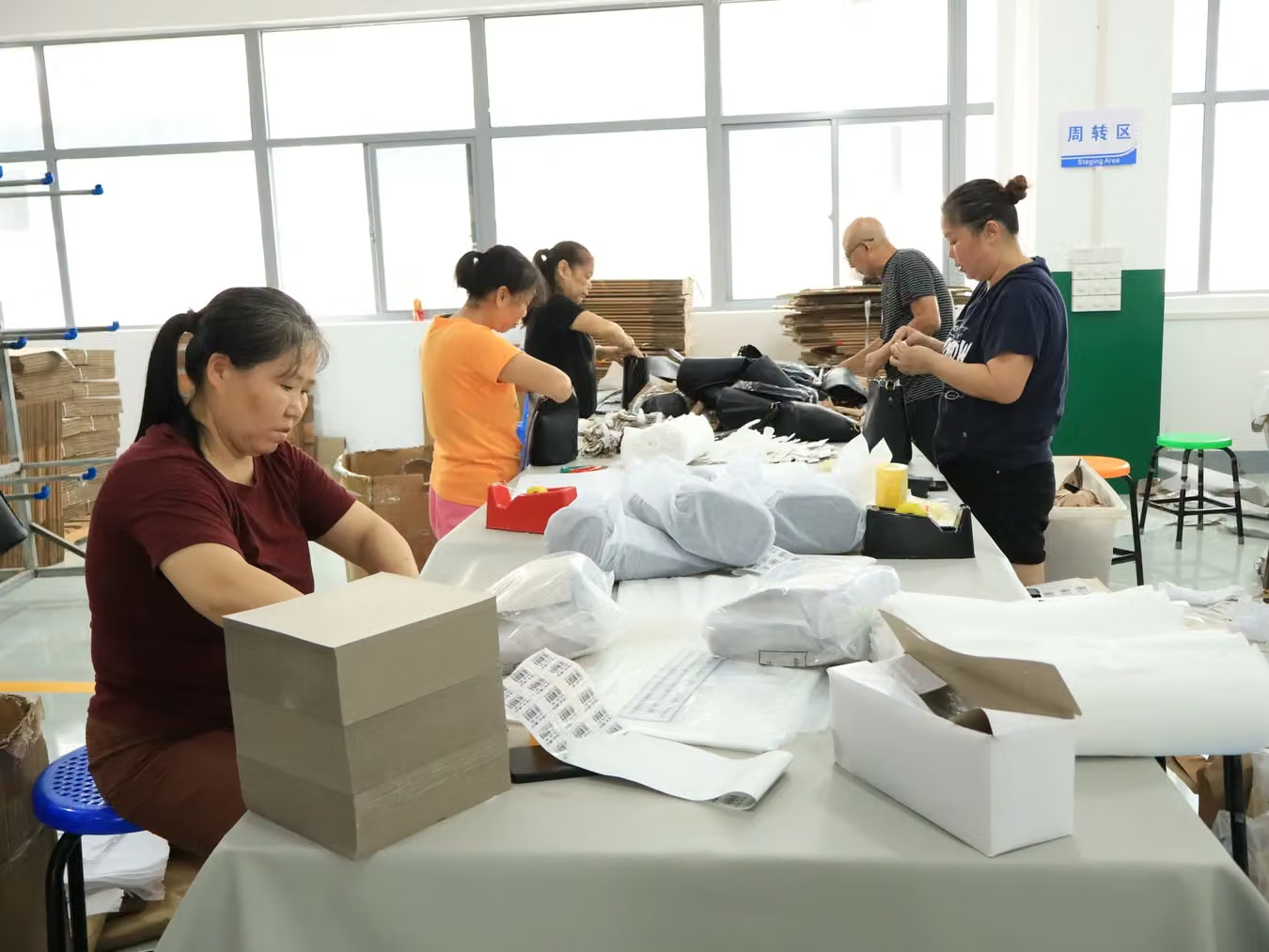
Sustainable bag manufacturing needs a clear route from the approved sample to the finished order. Our production review connects material planning, cutting and in-process inspection with the agreed specification.
Confirm the material width, grain or pattern direction, panel placement and construction requirements before cutting. Review cutting efficiency, usable yield and production offcuts for the selected material.
Material inspection, first-piece review and in-process inspection help identify differences early and support rework reduction. Match the batch against the approved construction and quality requirements.
Confirm material references, color, hand feel and hardware finish before use. Maintain order consistency by recording approved revisions and retaining the relevant reference for repeat orders.

08 / Protect the product thoughtfully
Packaging optimization starts with the protection the product needs. Review the retail presentation and shipping route before choosing a dust bag, tissue, protective wrap, hangtag or export carton.
Include the Dust Bag, Hangtag, care information and shipping packaging in your approved specification so the bulk order follows the agreed presentation.
09 / From brief to bulk order
Choose an OEM route for your existing design, ODM support for development, or a private label program built around agreed styles and branding. As a sustainable bag supplier, we help translate your material and documentation priorities into the sampling and production brief.
If you are comparing an eco-friendly handbag manufacturer or sustainable handbag OEM manufacturer, ask what the proposed claim refers to: a particular component, a material choice, a factory practice or a documented production requirement.
Send designs, bag references, quantities, target cost, destination market and custom handbag sustainability requirements.
Compare materials, composition, availability and documentation. Align recycled material MOQ and lead time with your purchase plan.
Request sustainable handbag material samples and approve the hand feel, structure, colors, logo, hardware and function.
Complete sample approval, the pre-production sample, BOM, packaging artwork and bulk material verification.
Coordinate bulk production, agreed checks, packing and shipment against the approved specification.
Our usual custom-order starting point is 500 pieces per style and color. Material sourcing minimums may differ; confirm the selected material and color before planning bulk handbag production with recycled materials.
Typical sample development is 7–14 days and bulk production is 30–45 days after the required approvals and arrangements. Special materials, revisions and documentation needs may affect the confirmed project schedule.

10 / Your project contact
Hi, I’m Tanya Tan. I help coordinate your handbag brief with our development and production team, from the first material discussion through sample approval and bulk-order communication.
If your brand has recycled-content targets, animal-free component requirements or a supplier checklist, send those details with your design references. I’ll help organize the material options, identify which information needs to be confirmed and keep your requirements connected to the product specification.
I also follow up on sample comments, material changes, packaging and production progress. My role is to help your team make clear decisions around appearance, function, budget and timing.
info@veggance.comWhatsApp: +86 181 4874 7727 ↗11 / Bring your requirements together
Share your design and sourcing priorities. We’ll review the material direction, development route and commercial requirements for your collection.
A clear brief helps us assess sustainable handbag manufacturing for brands, retailers and wholesale programs without separating material requirements from the actual product.
info@veggance.com Optimized by Seraphinite Accelerator