OEM Cork Bags
Send your tech pack, drawings or reference sample. We review dimensions, construction and material choices before developing the prototype for your original design.


Develop custom cork bags for your next branded collection with Veggance. We help fashion brands, wholesalers, retailers and independent designers turn a material direction into cork handbags, cork purses and matching accessories.
Start with your bag shape, target price and quantity. We coordinate cork fabric selection, backing, lining, custom hardware, sampling and bulk production around the approved specification.

Build a coordinated range rather than selecting each bag in isolation. A cork handbag, wallet and cosmetic pouch can share the same finish, hardware tone, lining and branded packaging. Our China cork bag manufacturing service starts with your commercial brief and the materials suitable for it.
Send your tech pack, drawings or reference sample. We review dimensions, construction and material choices before developing the prototype for your original design.
Share your target customer, style direction and price position. We help develop the silhouette, practical details and material combination for sampling.
Coordinate colors, custom logos, labels and hardware across your collection. Confirm the approved specification before placing wholesale cork bag orders.
Custom cork tote bags can be developed for daily carry, retail collections or branded gift projects. Confirm capacity, handle drop and the items your customer needs to carry before choosing the bag proportions.
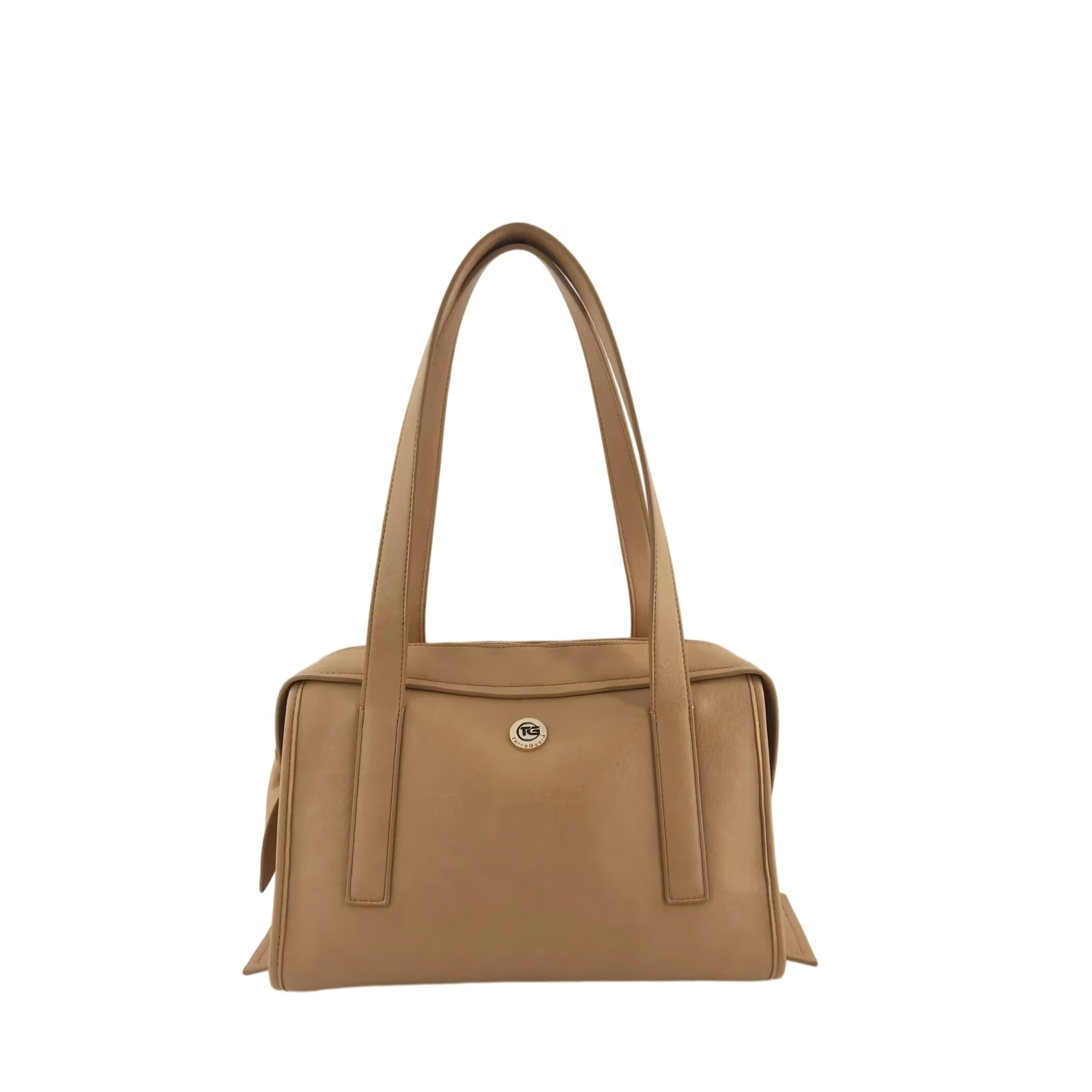
Develop a compact cork tote handbag or a large cork tote bag with zipper, inner pockets and a reinforced base. Check the opening width and access to each compartment.
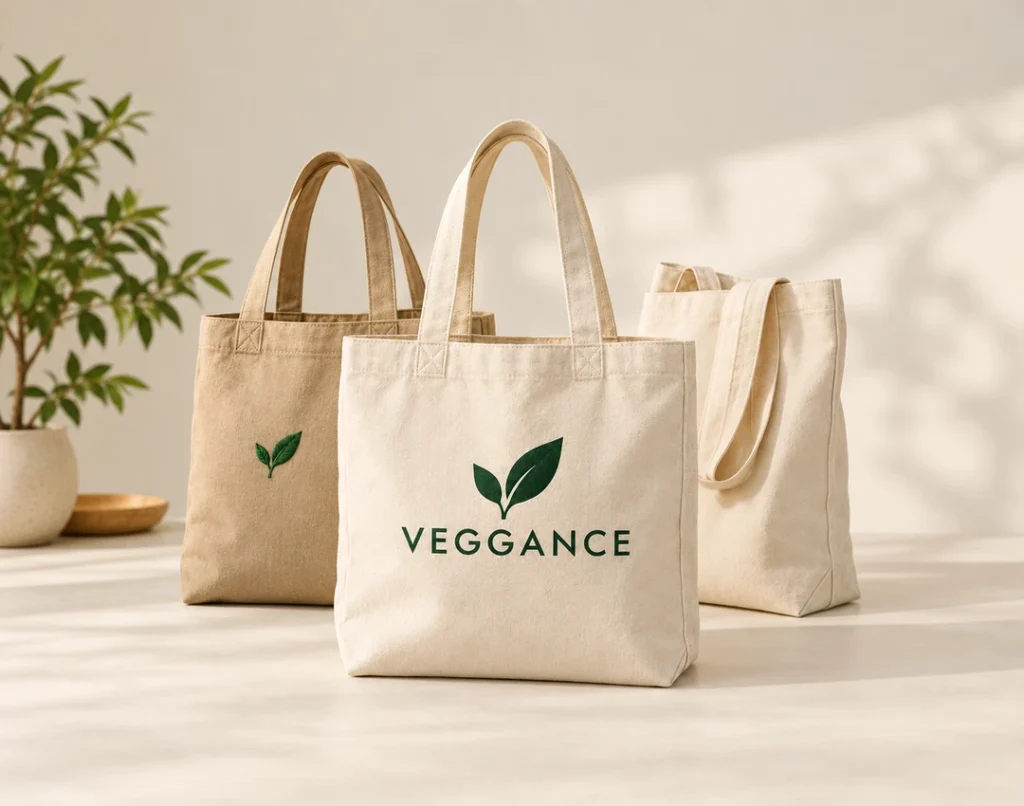
Plan cork shopping bags with custom logos for wholesale, retail or promotional programs. Cork drawstring bags and giveaway bags can be reviewed against your contents, budget and packing needs.

Explore roomy cork material beach bags with comfortable handles and useful pockets. For damp, sandy or saltwater environments, define the material and care requirements during development.
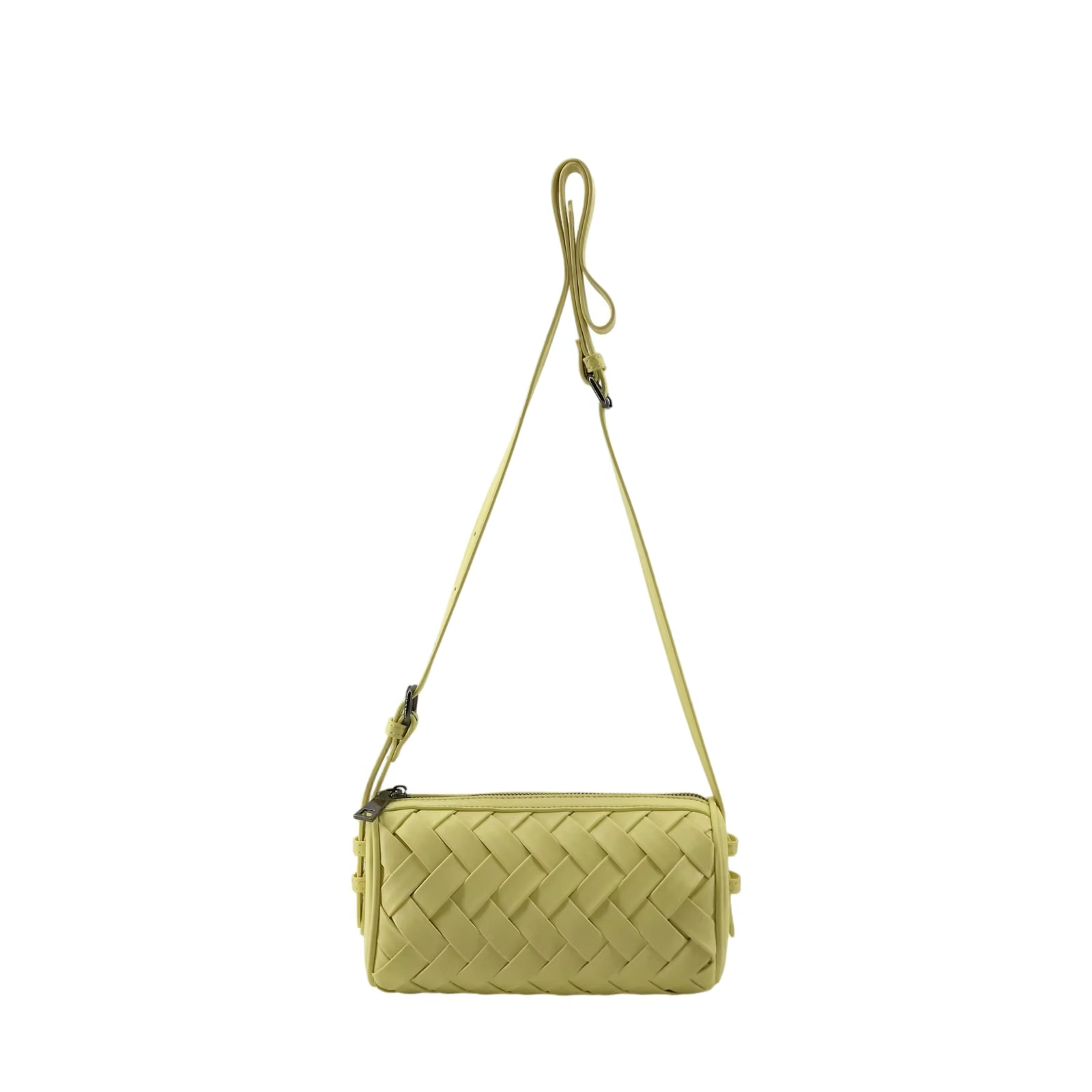
Develop a small cork crossbody purse for essentials, a mini cork bag for a compact collection or a larger crossbody handbag with added storage. An adjustable crossbody strap and practical zip closure can be matched to the intended use.
Compare soft cork shoulder bags, relaxed hobo silhouettes and cork bucket bags. We review opening size, handle comfort and reinforcement to help the selected cork fabric work with the design.
For a women’s convertible cork bag, plan detachable straps, D-rings and balanced attachment positions. Test hand carry, shoulder carry and crossbody use on the sample.
Bring cork purses and bags into one coordinated wholesale assortment. Matching cork wallets and smaller accessories can share a surface pattern, lining color and hardware finish with the main handbag.
Choose an envelope, zip-top or structured cork clutch purse. Review opening size, wristlet attachment, lining and any removable strap.
Plan card slots, note sections and coin compartments. Test the wallet when filled so the folds, snap position and overall thickness work together.
Coordinate a cork leather mini bag, wristlet or accessory pouch with the wider range. Keep logo placement and pattern scale suited to the smaller panel.
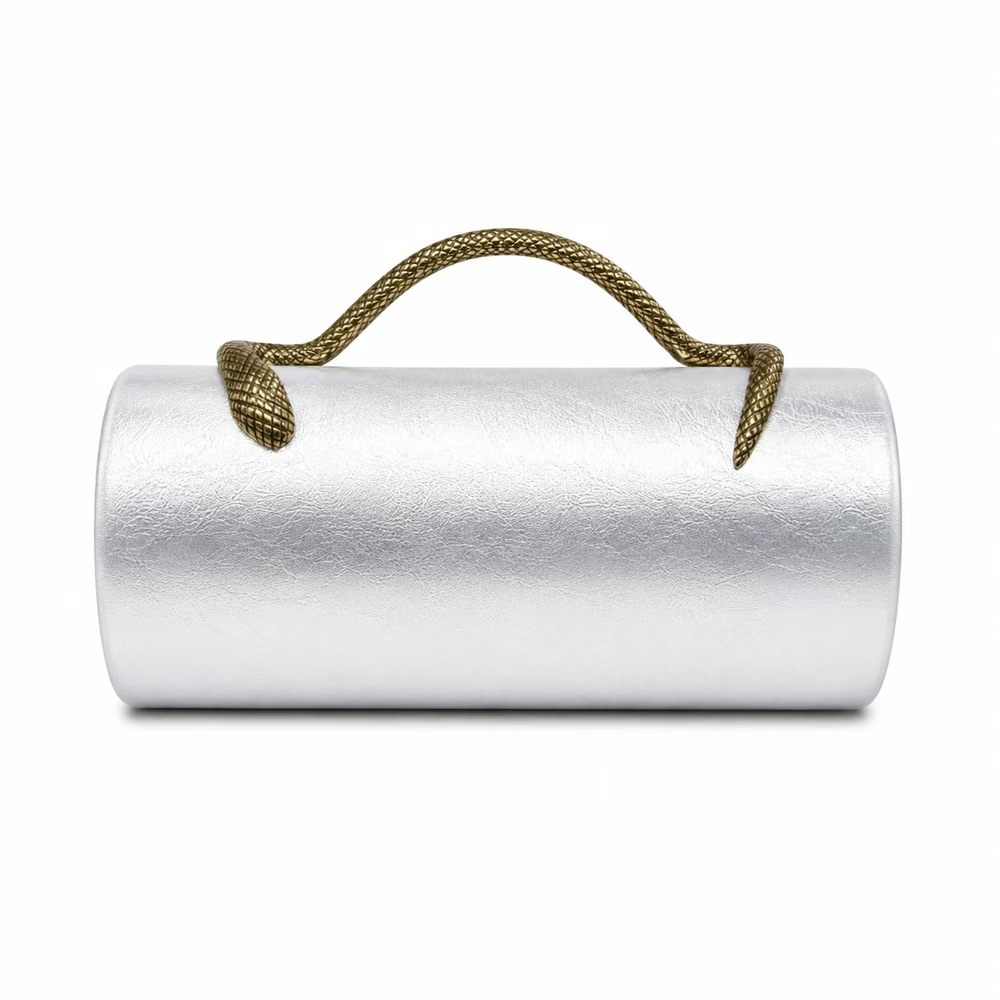
Develop cork work bags around the objects they need to carry. Confirm the actual device dimensions, file size and daily contents before setting the outer bag measurements.
For cork women’s laptop bags, men’s bags and unisex business ranges, review padded sleeves, dividers, handle clearance and shoulder comfort. Confirm the selected reinforcement and protective layers on the prototype.
Develop a compact cork messenger bag or a large satchel messenger with a flap, zipper, inner pockets and an adjustable shoulder strap. We review access, balance and the load at the strap attachments.
Discuss a concealed zipper, body-side pocket or other specific structure for your anti-theft cork business bag brief. The protection offered depends on the approved design and any agreed testing.

For wholesale travel and commuting collections, we review capacity, carry comfort, bottom protection and stress points as part of cork bag development. The material selection needs to suit the full bag structure.
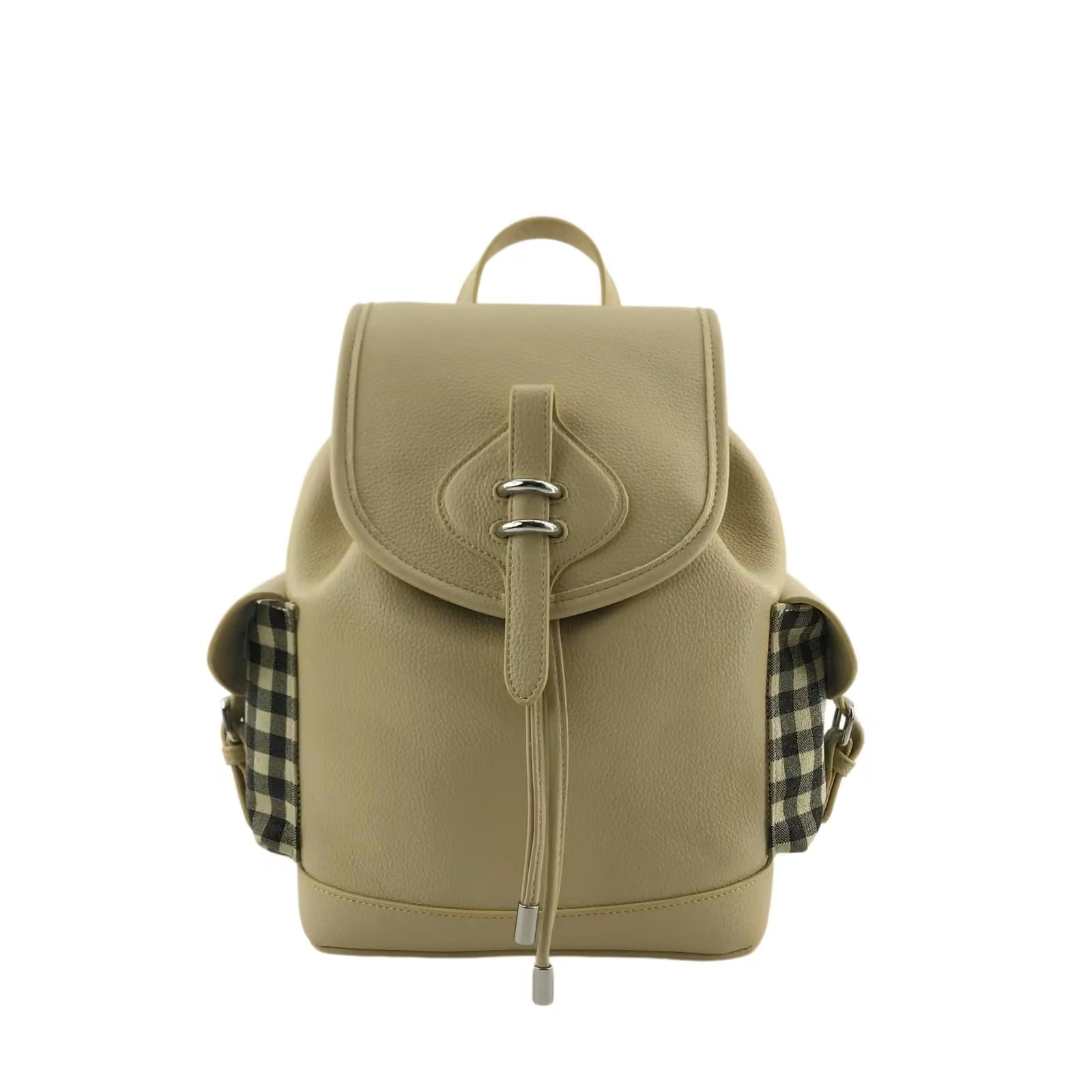
Plan compartments, shoulder strap width, back panels and opening direction for daily carry, commuting or a college collection.

Develop cork travel duffel bags with a useful opening, reinforced carry handles, a shoulder strap and suitable base support.

Review organizer pockets, access to daily items and lining care. Added functions and attachments are checked against the project brief before sampling.
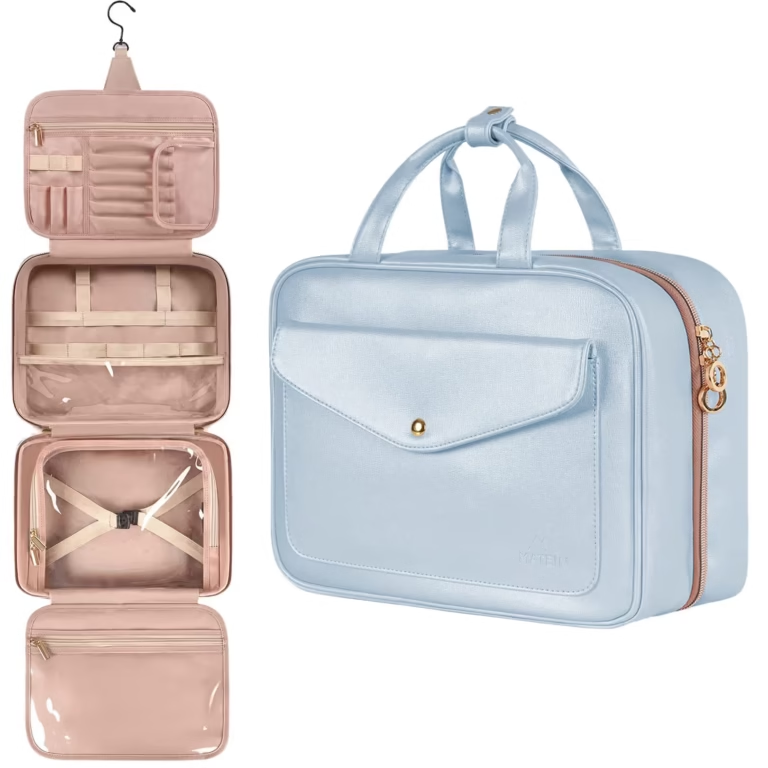
Develop cork cosmetic bags as individual products, travel sets or matching accessories for a handbag collection. Flat cork makeup bags and gusseted organizers can be adapted to your size and brand requirements.
Check the zipper length, base width, bottle height and pocket layout. For cork fabric makeup bags, the backing and reinforcement affect how easily the pouch opens and stands.
For cork toiletry bags and wash bags, discuss splash exposure, cleaning and contact with toiletries. Any water-resistant lining or easy-clean requirement is confirmed for the selected material.
Wholesale cork cosmetic bag orders can include custom labels, zipper pullers, hangtags and coordinated packaging.
Have a use beyond an everyday handbag? Send your product dimensions and functional needs. These cork bag concepts are reviewed for material suitability, construction and sampling before we confirm a production plan.
Specify mat length, rolled diameter and weight. Review an external mat holder, adjustable carry straps or a full-length compartment for a cork yoga tote or mat bag.
Provide racket dimensions and the items carried with it. Confirm protection, compartment layout, handle reinforcement and the cork material’s suitability for the design.
Discuss food containers, internal dimensions, lining and insulation layers. Thermal performance and any food-contact requirements need their own project specification.
Develop a cork fabric wine carrier or gift bag around the bottle shape and quantity. Review base support, dividers, handles and presentation packaging.
Cork comes from the bark of the cork oak, Quercus suber L. Its cell walls contain suberin, which contributes to natural cork’s water-repellent character. For bags made from cork, thin cork sheets are usually combined with a supporting backing.
Cork fabric, often called cork leather, is a material construction rather than animal hide. The selected cork surface, backing, adhesive and finish all affect how a bag feels and performs.
Compare natural texture, softness, pliability and structure using physical swatches. Cotton backing, cotton twill, cotton–polyester blends, synthetic backing or a PU coating may be part of a supplier’s construction. Single-sided and double-sided cork fabric options are reviewed according to availability and use.
For custom vegan cork bags, we review the complete material specification, including trims, lining and adhesives. A natural cork face alone does not establish the composition of the full fabric or finished bag.
| Selection point | What to confirm |
|---|---|
| Cork surface | Natural cork texture, panel appearance, printed or colored finish and acceptable variation. |
| Backing and bonding | Textile backing composition, adhesive system and any synthetic or PU layers. |
| Hand feel and structure | Thickness, flexibility, body and suitability for folds, seams and the chosen silhouette. |
| Material records | Supplier composition details, source information and any applicable supporting documents. |
Natural cork handbags can keep their original surface character or use a selected color and pattern. Approve the physical swatch and discuss how much variation is acceptable across your wholesale collection.
Compare natural cork bags, black cork bags and colored cork fabric. A black cork crossbody bag or shoulder bag can be coordinated with matching straps and hardware.
Explore floral cork tote bags, gold-speckled cork bags, silver or gold effects, and other metallic finishes. Printed cork fabric and quilted options are reviewed for pattern scale, flexibility and availability.
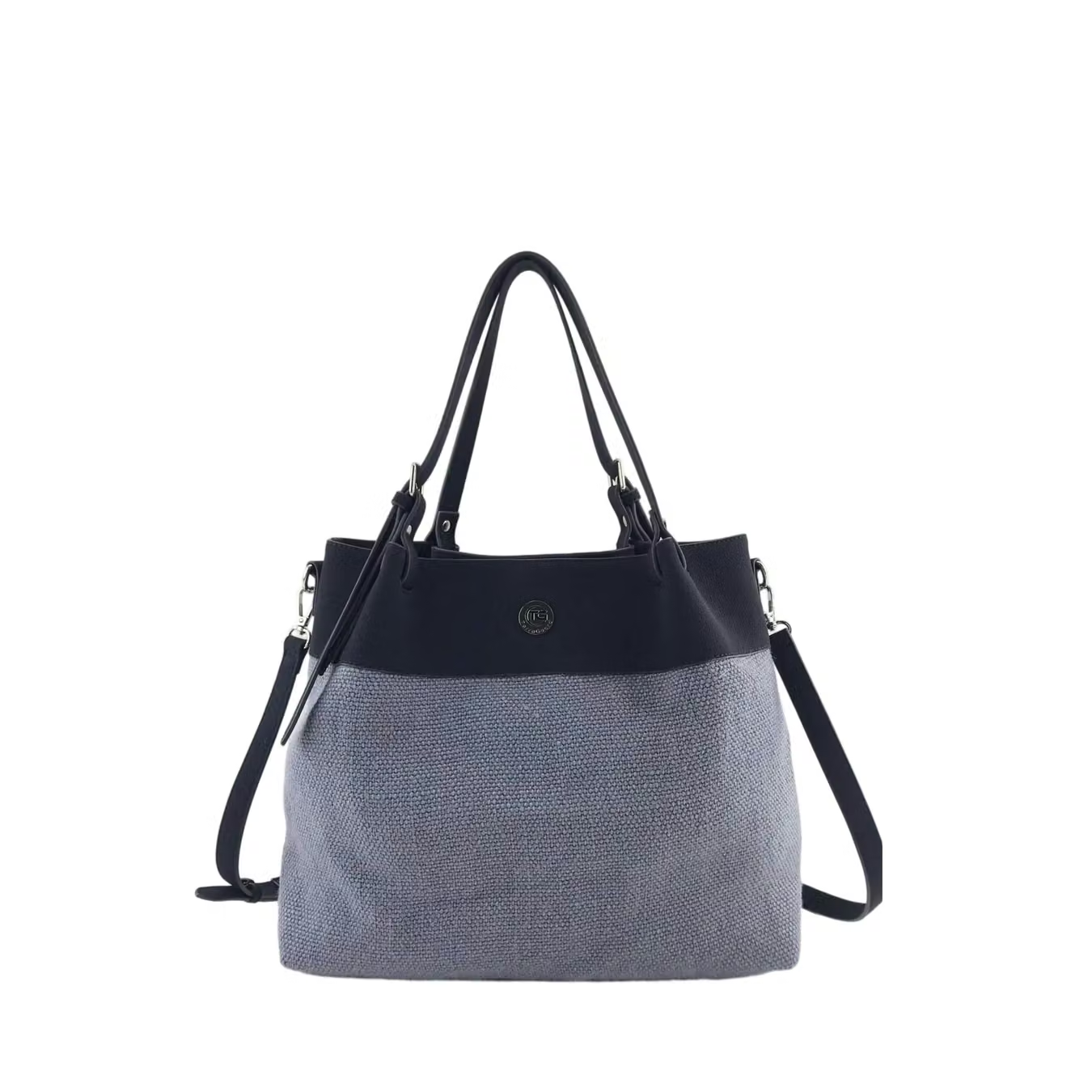
Develop canvas cork bags, a bag with a cork bottom or a grocery tote with a cork bottom panel. Review seam thickness, panel placement and reinforcement where the materials meet.
Make your cork bag collection recognizable through consistent details. We coordinate branded cork bags with custom hardware, lining and packaging so the full product can be reviewed together before production.
| Custom detail | Development choices | Approval focus |
|---|---|---|
| Logo application | Custom logo printing, metal logo plates, woven labels and suitable surface applications. | Check clarity, attachment and compatibility with the selected cork finish. |
| Bag hardware | Zippers, branded zipper pullers, D-rings, hooks, magnetic snaps and strap adjusters. | Confirm dimensions, finish, function and attachment strength. |
| Linings and pockets | Lining color or print, interior pockets, dividers and a padded section when needed. | Review access, seams, pocket dimensions and contents fit. |
| Handles and straps | Adjustable shoulder straps, detachable crossbody straps and carry handles. | Confirm width, drop, edge treatment, comfort and stress-point reinforcement. |
| Packaging | Hangtags, woven labels, dust bags, protective filling and custom packaging. | Approve the pack-out, labeling and protection for the shipping route. |
Designer and premium collections: Develop original designer cork handbags around your own proportions, selected materials and brand details. For luxury cork bag briefs, define the finish and construction expectations clearly. Handmade descriptions should match the actual handwork used in the approved process.
Set performance requirements around the intended use. A water-repellent cork surface and a waterproof finished bag involve different checks. For wholesale orders, agree on the material, construction, test method and acceptance criteria before making product claims.
| Requirement | What we review for your project |
|---|---|
| Water-resistant / water-repellent | The selected fabric and finish, exposure conditions and the protection expected in everyday use. |
| Waterproof cork bag brief | The full bag system: face material, backing, seams, closure, zipper and the agreed test conditions. |
| Scratch and abrasion resistance | High-contact panels, printed or metallic finishes and an appropriate material test requirement. |
| Colorfastness | Dry and wet rubbing, color transfer and contact between different colored materials. |
| Flex resistance and peel strength | Fold areas and the bond between the cork sheet and backing after the agreed conditioning. |
| Handle and strap strength | Intended load, reinforcement, attachment method and the agreed functional check. |
| Easy-clean requirements | A care method suitable for the selected cork surface, lining, trims and hardware. |
For a waterproof cork shoulder bag or anti-theft business bag project, send the required use conditions with your inquiry. Test results and approved specifications determine the claims for that particular style.
Start a sustainable cork leather bag brief with specific material priorities. Cork oak bark is a renewable raw material, but a finished cork bag also contains backing, adhesives, lining, trims and hardware. Review those parts together when planning eco cork bags or an eco-friendly crossbody collection.
Check the selected cork fabric’s composition and source records. FSC-related material claims are considered only when the applicable supplier and chain-of-custody documents support the proposed claim.
Review the cork composite, lining, adhesives and removable components alongside the available recycling route. Natural cork content alone does not establish that a finished tote bag is recyclable, biodegradable or plastic-free.
Use factory assessments and management-system documents for supplier qualification. Material claims, certification scope and any transaction documentation are reviewed separately for the selected project. For eligible recycled-material orders, ask which supporting documents can be arranged for the chosen input.

Social-compliance assessment. Request the applicable factory documents for supplier review.

For eligible recycled-material programs. Confirm the selected inputs, applicable scope and order documentation.

Facility authorization credentials, separate from the certification of a cork material or finished bag.

Quality management system. Review the current certificate and its applicable scope.
Environmental management system. Confirm the scope required for your supplier review.
Occupational health and safety management system. Request the relevant documentation.
Custom cork bag samples help turn a design brief into a production reference. Typical handbag sample development is 7–14 days after the key details are confirmed. Special material sourcing, new hardware and revisions can extend the schedule.
Send reference images, a tech pack or physical sample, plus your target quantity, price direction and schedule.
Review outer dimensions, capacity, handle drop, strap length, openings and the objects carried inside.
Compare cork fabric swatches, backing, lining, interfacing, reinforcement and the selected metal finish.
Check proportions, hand feel, pocket access, closure function, logo placement and required performance.
Record revisions, sign off the approved sample and align the bill of materials with the agreed specification.
Review material availability, production scheduling, quality checkpoints and packing requirements.
For cork bags in bulk, the approved sample and specification set the reference for production. Incoming materials, cutting, assembly and finished-product checks need to follow the same agreed requirements.
Review cork texture, color range, thickness and bonding. Match the backing, lining, hardware and reinforcement to the approved sample and bill of materials.
Check panel placement, cutting direction, seam allowance, stitch spacing, symmetry and stress-point reinforcement. Review edges, zipper installation and hardware attachment.
Check dimensions, appearance, opening and closing, pockets, straps and accessories. Compare the finished order with the agreed quality and packing requirements.
Agree on filling, protective wrapping, dust bags, labels and carton packing before dispatch. Protect the bag shape and avoid unwanted marks from hardware or folded straps during transport.
Keep approved swatches, material codes, color references, hardware finishes, BOM details and sample records connected to the reorder. Review any supplier or material change before the next batch.
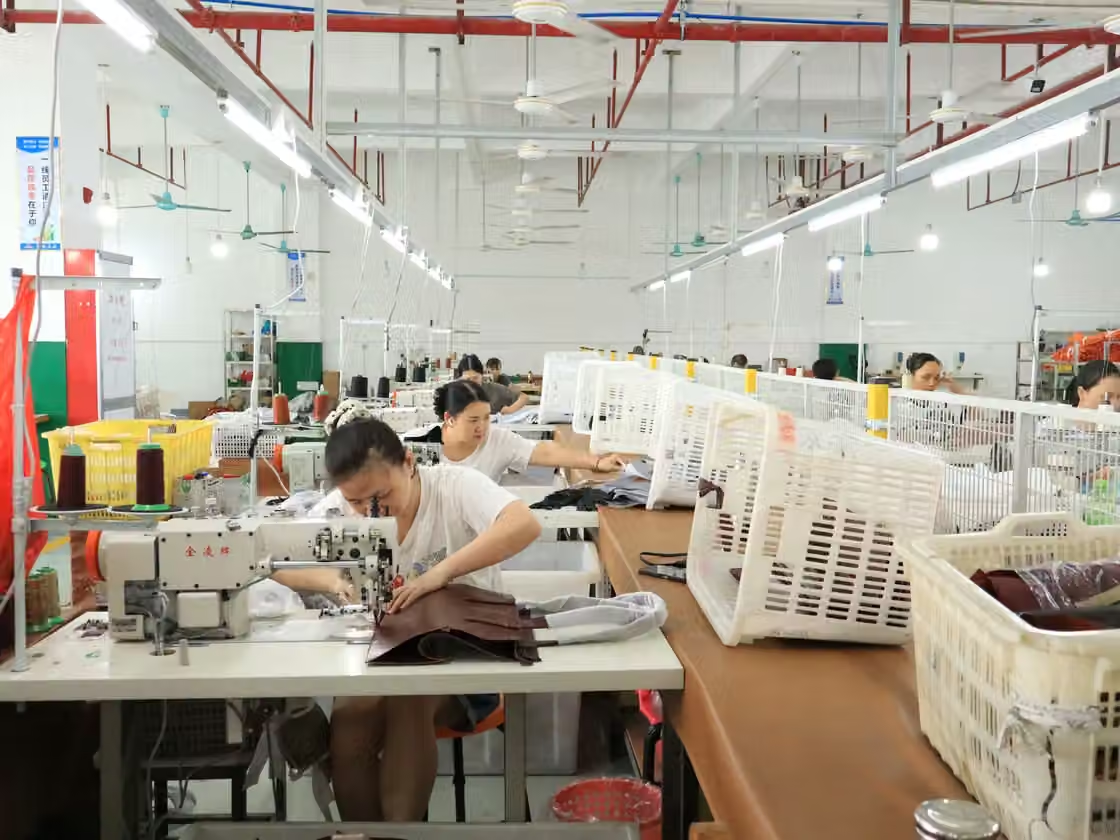
Our standard custom handbag MOQ is 500 pieces per style and color. A trial order of around 300 pieces may be reviewed for a suitable project. Cork fabric availability, color minimums, hardware and construction affect what can be confirmed.
Yes. Share the styles, quantities and brand direction for the range. We can review coordinated cork handbags, crossbody bags, wallets and pouches with matching material, lining, hardware and packaging.
These details can be included in your custom cork bag brief. We check the material and construction before sampling, then confirm the dimensions, internal layout and brand details against the approved sample.
Start with the bag shape, target hand feel and intended use. Compare the surface, backing, thickness, flexibility and reinforcement on physical swatches and a sample. The full material construction affects the result.
We review the material specification for the whole bag, including backing, adhesives, trims and lining. Any vegan or animal-free declaration needs to match the selected components and available supplier information.
The selected cork surface may offer water resistance, but seams, zippers, backing and construction affect the finished bag. A waterproof brief needs defined use conditions and suitable testing before the claim is approved.
Agree on the appearance range using material swatches and sample panels. Record acceptable variations, print placement and color references so incoming materials and finished bags can be assessed consistently.
Typical handbag sampling takes 7–14 days after the main specifications are confirmed. Special materials, custom hardware and sample revisions can add time. Bulk lead time is quoted after reviewing the final style, quantity and material availability.
Tell us what your supplier review requires. We can discuss the applicable factory assessments and ISO documents, plus material composition and project-specific certification support. FSC or GRS claims are used only where the selected materials and documentation support them.
Follow the care instructions approved for the selected material. Test a proposed cleaning method on a hidden area or spare swatch first. Consider the cork finish, lining, prints, trims and hardware together before approving the final care label.
Send reference photos or drawings, dimensions, quantities per style and color, preferred cork finish, branding, packing requirements and target timing. Include any material documentation or performance requirement that affects the quotation.

Hi, I’m Tanya. I help turn your cork bag idea into a clear development brief for our sampling and production team. You can start with reference photos, a sketch, a tech pack or a physical sample.
I work with you to confirm the bag dimensions, cork fabric direction, backing, lining, hardware and branding details. During development, I follow up on sample comments and revisions so your team can review the choices before approval.
For bulk orders, I coordinate communication around the approved specification, material confirmation, production progress and quality requirements. I also help keep the agreed details connected to your next order.
Send your brief, and I’ll help identify the next steps for your custom cork bag collection.
info@veggance.comWhatsApp: +86 181 4874 7727 Optimized by Seraphinite Accelerator