
Shoulder bags
Assess drape, shape retention, folded edges and strap attachment areas for hobo, shoulder and everyday purse concepts.


Explore coffee-based materials for your next handbag collection. Veggance connects material selection, bag development and brand details in one custom manufacturing project.
Send your sketch, reference image or material direction. We review the selected coffee leather grade, construction and quantity before defining the sampling and production plan.

Coffee leather is a name used for leather-like materials incorporating coffee-derived inputs, such as processed spent coffee grounds. The name alone does not describe the complete composition.
In a coated construction, coffee-derived material can be combined with binders and supported by a textile backing. Other grades may use different polymer systems, layers or finishing routes.
When reviewing leather made from coffee, we look at the actual material code, composition and intended bag use together.
Confirm the coating layer, texture, colour and finish for the selected grade.
Identify the coffee-derived content, other ingredients and the layer to which each percentage applies.
Review the textile backing, thickness and reinforcement needed by the bag construction.
Conceptual component checklist. Layer arrangements and composition vary by supplier and grade.
How is coffee leather made? A supplier may prepare coffee grounds, combine the processed input with a binder, then coat or bond the material to a backing before finishing. A coffee leather fabric or synthetic coffee leather description still needs a full specification. Coffee-containing PU can include water-based PU; cotton fabric or polyester may be used in some backings. Coffee-ground textile made through a yarn route is a different material system. We review these distinctions during bag material selection.
The right application depends on the selected material and the bag structure. Review full-body use, selected panels or trim details through a physical sample. The images below show bag styles; the coffee-based material for your project is confirmed separately.
Assess drape, shape retention, folded edges and strap attachment areas for hobo, shoulder and everyday purse concepts.
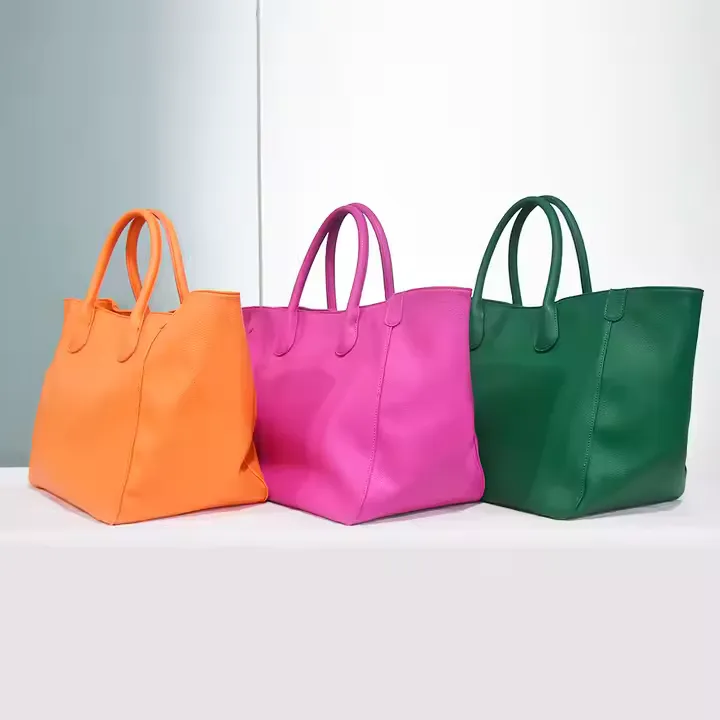
Plan the bag body, base, handle reinforcement and lining together. The material must suit the intended carrying load and silhouette.
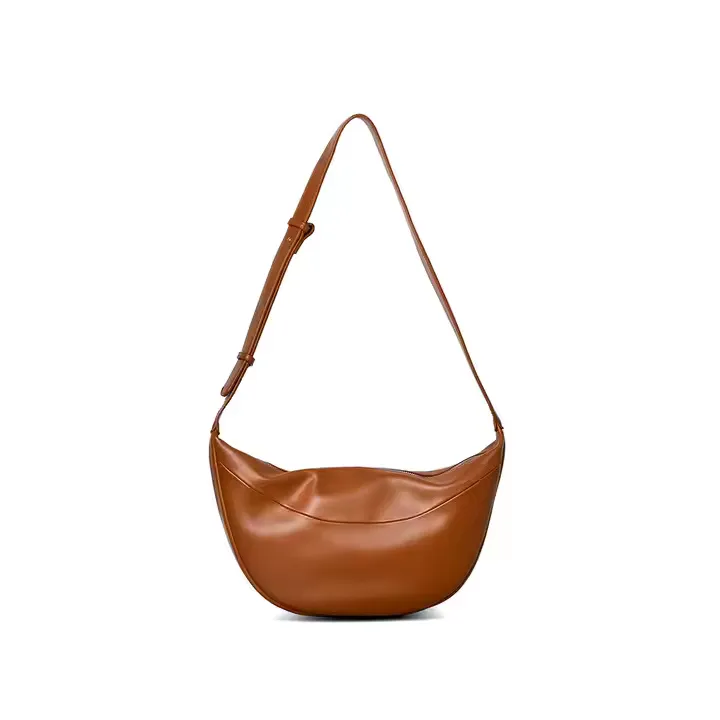
Review curves, closures, seams and strap connectors for small crossbody bags and coordinated collection pieces.
Planning wallets or small leather goods? Coffee leather wallet development needs particular attention to fold lines, edge thickness and repeated opening. Wallets, card holders and pouches can be assessed alongside your handbag design once a suitable material grade is selected.
Style reference only. The pictured sample does not establish the material composition of your order; the selected material is confirmed during development.
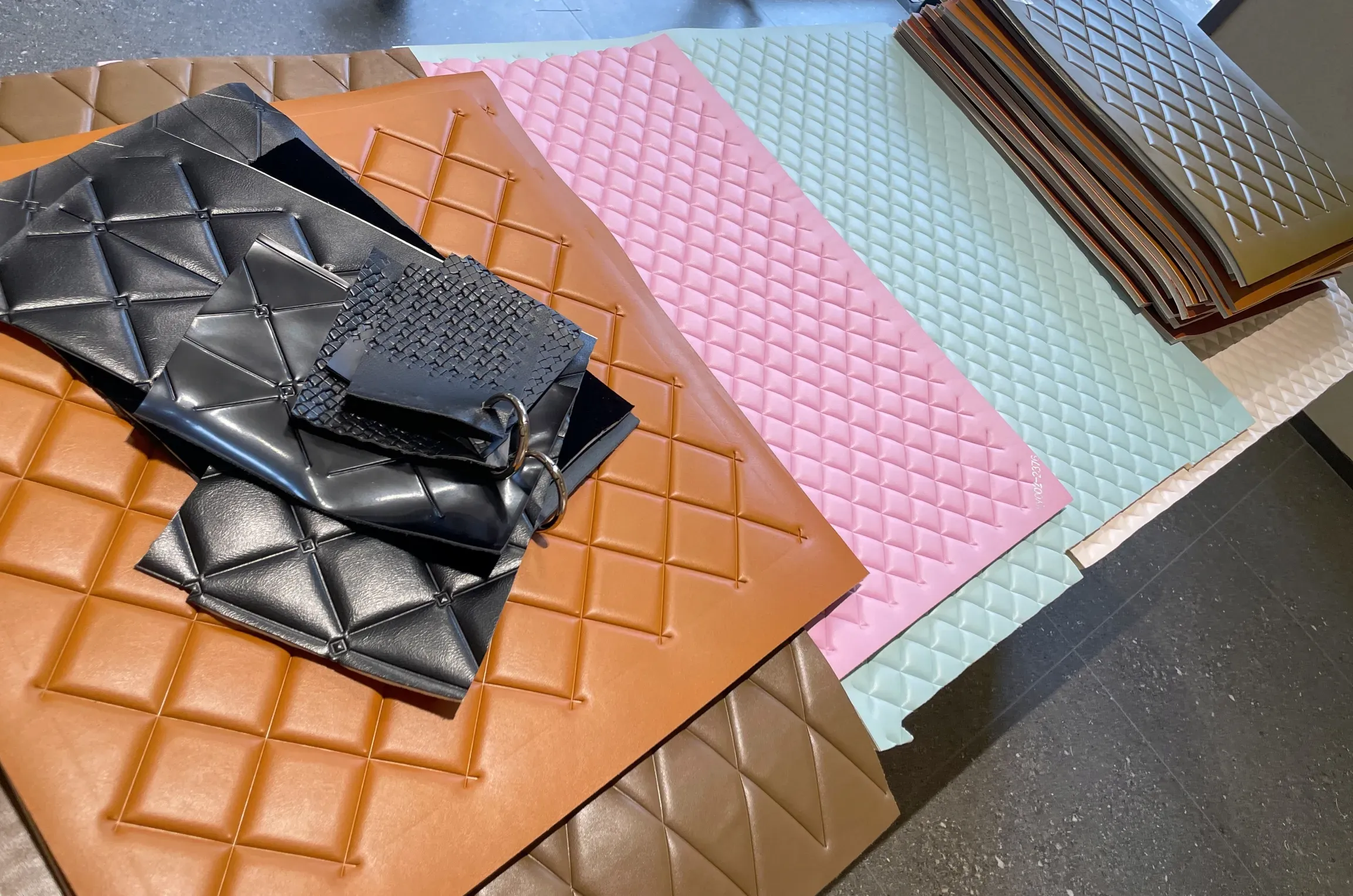
Compare physical coffee leather material swatches against the intended bag. Hand-feel, grain and colour matter, but folds, seams and the finished shape need equal attention.
A smooth, pebbled or croc-textured appearance is a surface direction to discuss. The available colours and textures, thickness and backing must be confirmed for the selected grade.
| Selection point | What to confirm | Why it matters |
|---|---|---|
| Composition & source | Coffee-derived content, other inputs, applicable layer, supplier and material code. | Keeps the sourcing brief and any material-content statement tied to the same grade. |
| Thickness & backing | Thickness or weight, backing construction and reinforcement needs. | Affects folded edges, seams, bulk at corners and the finished shape. |
| Surface & colour | Grain, finish, physical colour reference and acceptable variation. | Helps align samples, panels, trims and bulk shade approval. |
| Construction fit | Flexibility, edge treatment, stitching and behaviour at key connection points. | Checks whether the material works in your actual bag design. |
| Cost & availability | Material minimums, stock or custom colour status and expected replenishment. | Connects the selected material to an executable order and repeat-order plan. |
If a grade does not meet the construction or cost requirement, compare another coffee-based grade or suitable PU leather options using the same bag design and approval criteria.
Develop the material, silhouette and brand identity together. Approve your custom logo, lining, hardware and packaging as part of the same coffee leather bag project.
We coordinate material and finish customization around your brief. Embossing, debossing, foil stamping, printing or metal branding is evaluated for compatibility with the selected surface before approval.

Bring your tech pack, specification or reference sample. We review the coffee-based material and construction against your design requirements.
Share your style direction, target customer and cost position. Develop the concept, material combination and sample through recorded revisions.
Evaluate a suitable style and coordinate approved materials, colours, logo details, lining, labels and packaging for your brand.
For wholesale coffee leather handbag programs, quantities and colours are planned around the approved specification. As your finished-bag supplier, we confirm the development route and order conditions before a bulk order proceeds.
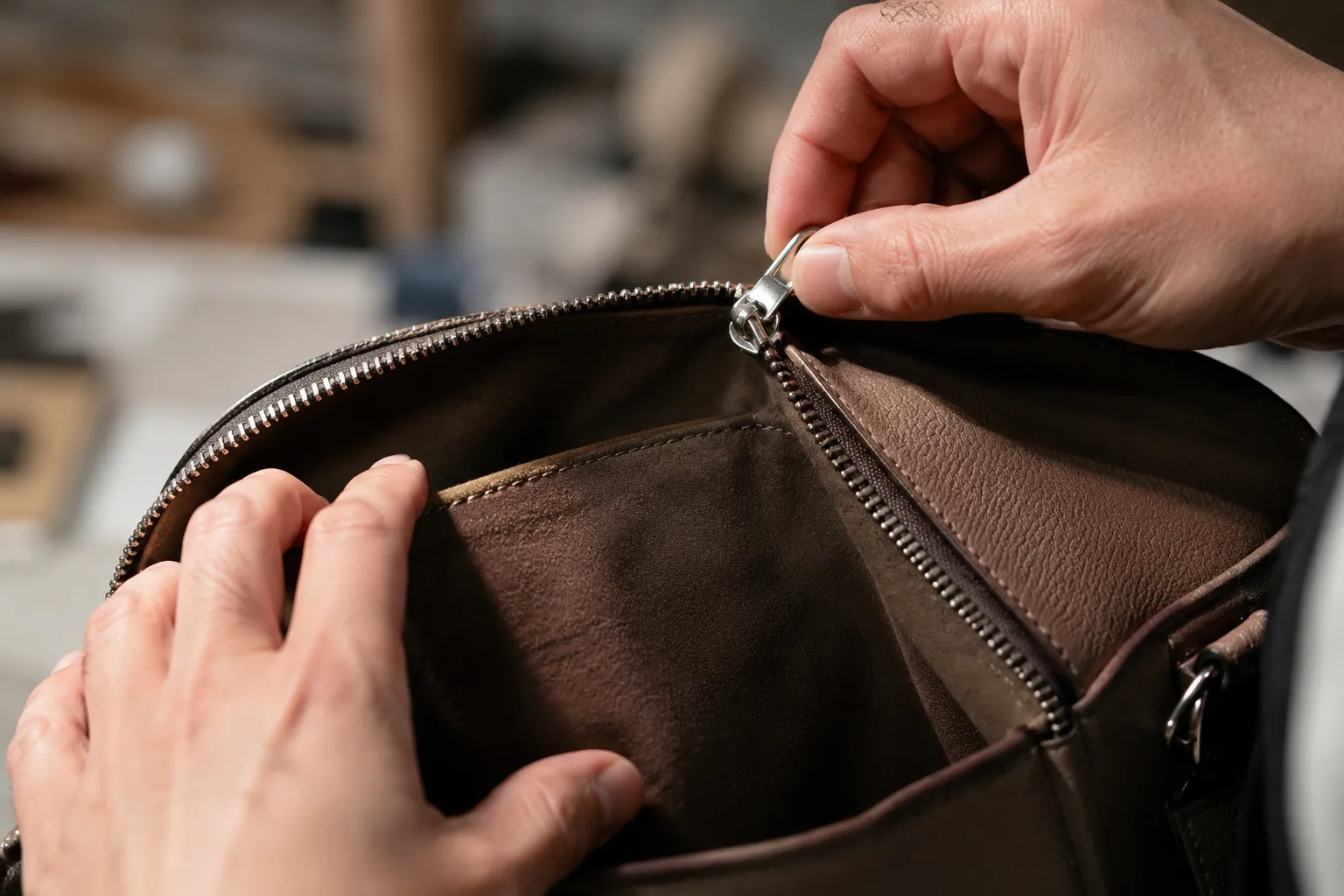
Define the expected use, check method and acceptance criteria before sample approval. A visually attractive swatch alone cannot show how the material behaves at seams, folds or handle connections.
Our quality control discussion connects the selected material with the complete bag. Project-specific tests and supporting documents are agreed around your product and destination market.
| Review area | Points to assess | Approval basis |
|---|---|---|
| Surface & flexing | Abrasion resistance, colour transfer and flex resistance at relevant folds and edges. | Selected material grade, agreed method and intended product use. |
| Seams & connections | Seam strength, reinforcement, strap attachments and closure function. | Physical bag sample and the agreed carrying requirements. |
| Moisture & care | Surface exposure, coating, openings, seams and suitable care instructions. | Material and finished-bag evidence. Water-repellent material alone does not establish a waterproof bag. |
| Composition & claims | Coffee-derived content, bio-based content, applicable layer and other product components. | Supplier records and supporting material or product documentation for the specific claim. |
Match the material code, composition and any content percentage to the layer or component described.
Vegan positioning requires review of relevant bag components. Plastic-free, compostable or biodegradability claims need their own supporting evidence.
Factory certifications and audit documents support supplier review within their stated scope. They do not establish a material composition or a finished-bag environmental claim.
A clear material brief makes the sample and bulk order easier to compare. Retain the selected material code, physical swatch and approved sample as linked references.
Share the style, quantity, target cost and material direction. Review sourcing and construction feasibility.
Evaluate the material in the bag, record revisions and confirm brand details, edges and function.
Approve the sample and specifications. Review bulk materials against the retained references before cutting.
Coordinate production checks, surface protection, shape support, accessory separation and packing.
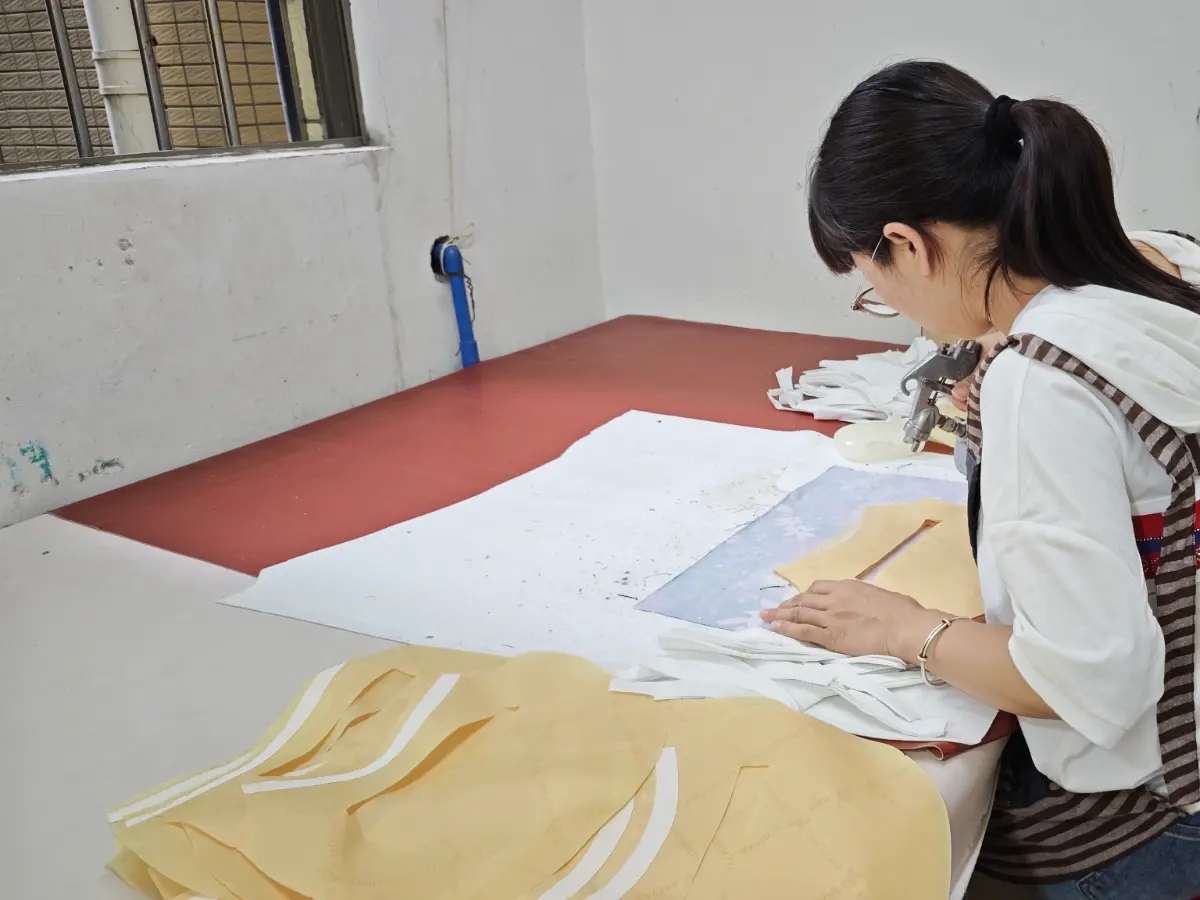
How is the coffee leather bag MOQ confirmed? Review the finished-bag quantity, material minimum, colour count and any custom hardware together. The sampling and bulk timeline also depends on material availability, revisions and approval dates. These conditions are confirmed for your project rather than inferred from a general factory MOQ.

I’m Tanya Tan, Handbag Product Manager at Veggance. I help bring your bag design, material direction and production requirements into one clear brief for our development and factory teams.
For a coffee leather bag project, I start with your reference images, estimated quantity, preferred appearance and target timing. I coordinate material questions and sampling comments so that each revision stays connected to your requirements.
Once you approve the sample, I follow up on the confirmed specifications and production communication. You have a project contact who keeps material review, sampling coordination and order details connected.
Clarify the supply route, material expectations and repeat-order decisions before selecting a grade for your collection.
This page supports finished-bag manufacturing projects. We assess material sourcing as part of the bag brief, sampling and production plan. If you are comparing coffee leather suppliers for rolls or sheets alone, please clarify that requirement when you contact us so the supply scope can be reviewed.
A nominated coffee leather supplier can be reviewed for the project. Share the material code, specification, sample, pricing basis, available quantity and delivery arrangements. We also need to agree on incoming inspection and responsibility for material-related issues before sampling or cutting.
The name does not guarantee a coffee aroma. The material system, processing and finish affect the smell of the selected grade. Review the actual swatch and bag sample, including packaging and storage conditions where relevant. A coffee-derived ingredient alone is not a basis for an odour-control or scented-product claim.
Review the selected surface material together with the lining, adhesive, reinforcement, trims and other relevant components. A coffee-derived input does not establish the status of the whole product. Confirm the component specifications and the evidence required for the wording your brand intends to use.
Compare any proposed alternative against the retained material specification, swatch and approved bag sample. Differences in composition, backing, shade, thickness or surface behaviour need review. Approve the replacement and any necessary new sample before it is used in production.
Send the bag direction, estimated quantity and material preference you have today. A reference image is enough to start the discussion.
We will review material availability and the development route, then confirm the next steps for samples and a project quotation.
If available, add your target market, price position, brand details and delivery timing. We can clarify the remaining questions together.
 Optimized by Seraphinite Accelerator