PU Coating & Finish
Review grain, color, hand feel and flexibility. Confirm whether the polyurethane coating contains recycled inputs or uses a conventional formulation.


Develop custom recycled PU bags for your next brand or retail collection. Veggance brings material selection, sampling, custom hardware and bulk production into one coordinated project.
As a recycled PU handbag manufacturer in China, we work with brands, importers, wholesalers and retailers. Share your design, quantity and recycled-content requirements; we will review suitable material options and the details your finished bag needs.
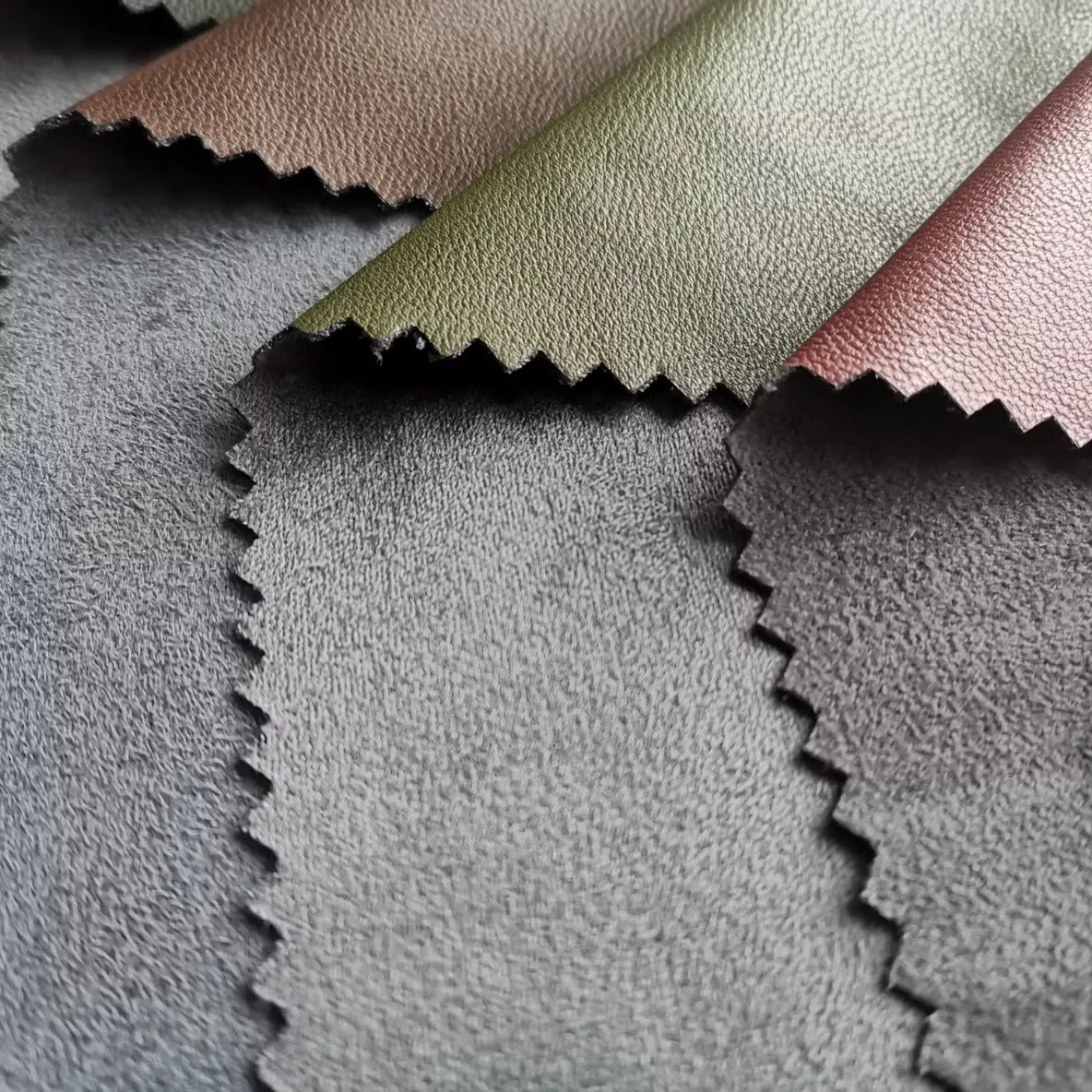
Recycled PU leather is a polyurethane-coated leather alternative containing recycled inputs in the coating, textile backing or both. PU means polyurethane. When defining recycled PU for your project, confirm the selected material’s composition alongside the material name.
A recycled PU fabric can combine a surface finish, PU coating and supporting textile backing. Recycled polyurethane content and recycled polyester backing are different inputs; ask which one is present and how the percentage is reported.
Review the material alongside your bag’s folds, seams and reinforcements. Compare our PU leather bag options or explore the broader handbag materials guide.
Review grain, color, hand feel and flexibility. Confirm whether the polyurethane coating contains recycled inputs or uses a conventional formulation.
The backing helps determine body, strength and sewing behavior. A recycled backing may contribute recycled content even when the PU surface is conventional.
Record the full composition, thickness and material code. A recycled percentage for one layer should not be presented as the percentage of the whole bag.
Develop one hero style or a coordinated family of custom recycled PU leather bags. We review the proposed material with the dimensions, opening, pocket layout and intended use of each product.
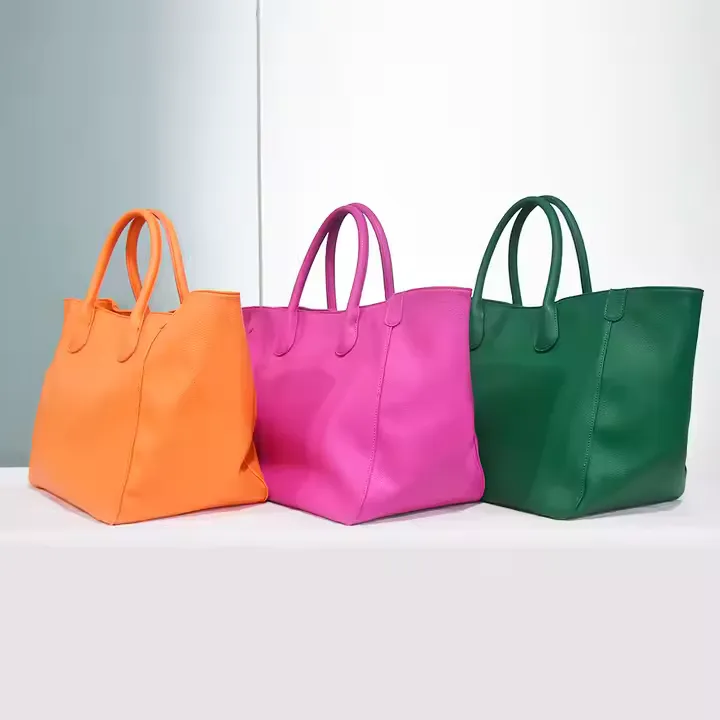
Plan recycled PU tote bags for work or shopping, recycled PU shoulder bags for fashion collections and recycled PU crossbody bags with practical straps and compartments.
Confirm handle attachments, strap anchors, closures and reinforcement around the intended load.
Tote bags · Shoulder bags · Crossbody bags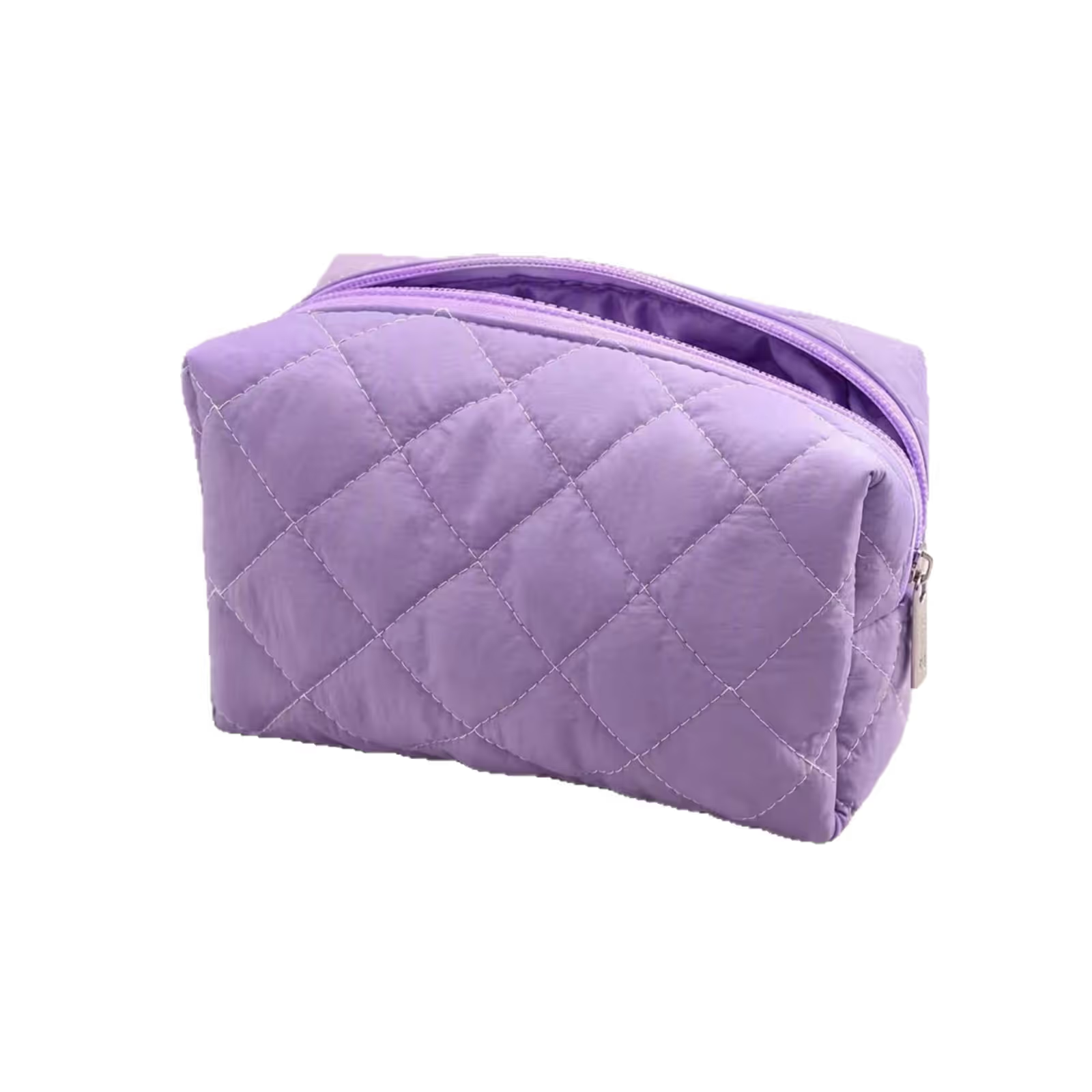
Create recycled PU cosmetic bags, recycled PU makeup bags and recycled PU pouches for beauty collections, retail sets or branded gifting.
Review the opening width, lining, compartments, cleanability and logo placement before approving the sample.
Makeup bags · Small pouches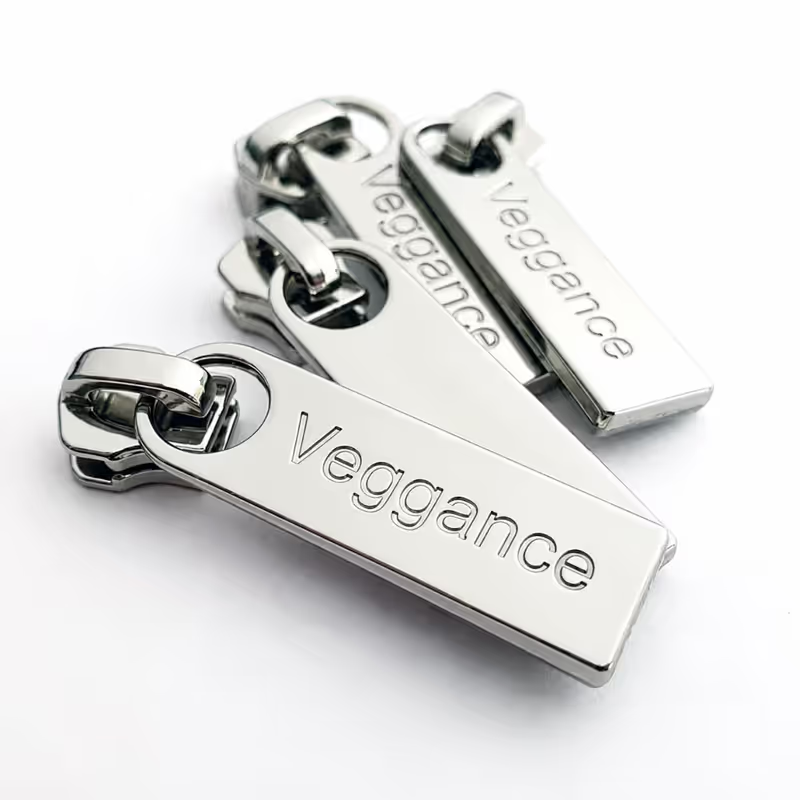
Coordinate recycled PU wallets, recycled PU card holders and custom recycled PU keychains with the main handbag collection.
Match colors and hardware while checking fold thickness, card fit, edge finishing and attachment strength.
Wallets & wristlets · Card holders · KeychainsWhen comparing recycled content PU leather options, ask what is recycled, where it sits and how the figure is calculated. These answers form part of the material specification and quotation basis.
| What to Confirm | Buyer Review | Record for Approval |
|---|---|---|
| Recycled layer | PU coating, recycled backing, or both; distinguish recycled polyurethane from recycled polyester. | Layer-by-layer material composition and supplier material code. |
| Percentage basis | Does the recycled content percentage refer to one layer, the full fabric or the finished product? | The reported percentage, calculation scope and supporting documentation. |
| Input source | Confirm applicable pre-consumer waste, post-consumer waste, manufacturing offcuts or other reclaimed material. | Source information available for the named material and supply route. |
| Remaining components | Identify conventional or virgin material, backing fibers, lining and other bag components. | The complete bill of materials / BOM, including relevant non-recycled components. |
| Bulk consistency | Match bulk materials to the approved composition, thickness, backing, color and finish. | Approved swatches, batch references and recorded changes. |
There is no single recycled percentage for every recycled PU grade. Confirm the actual composition before approving a material claim, hangtag or product description.
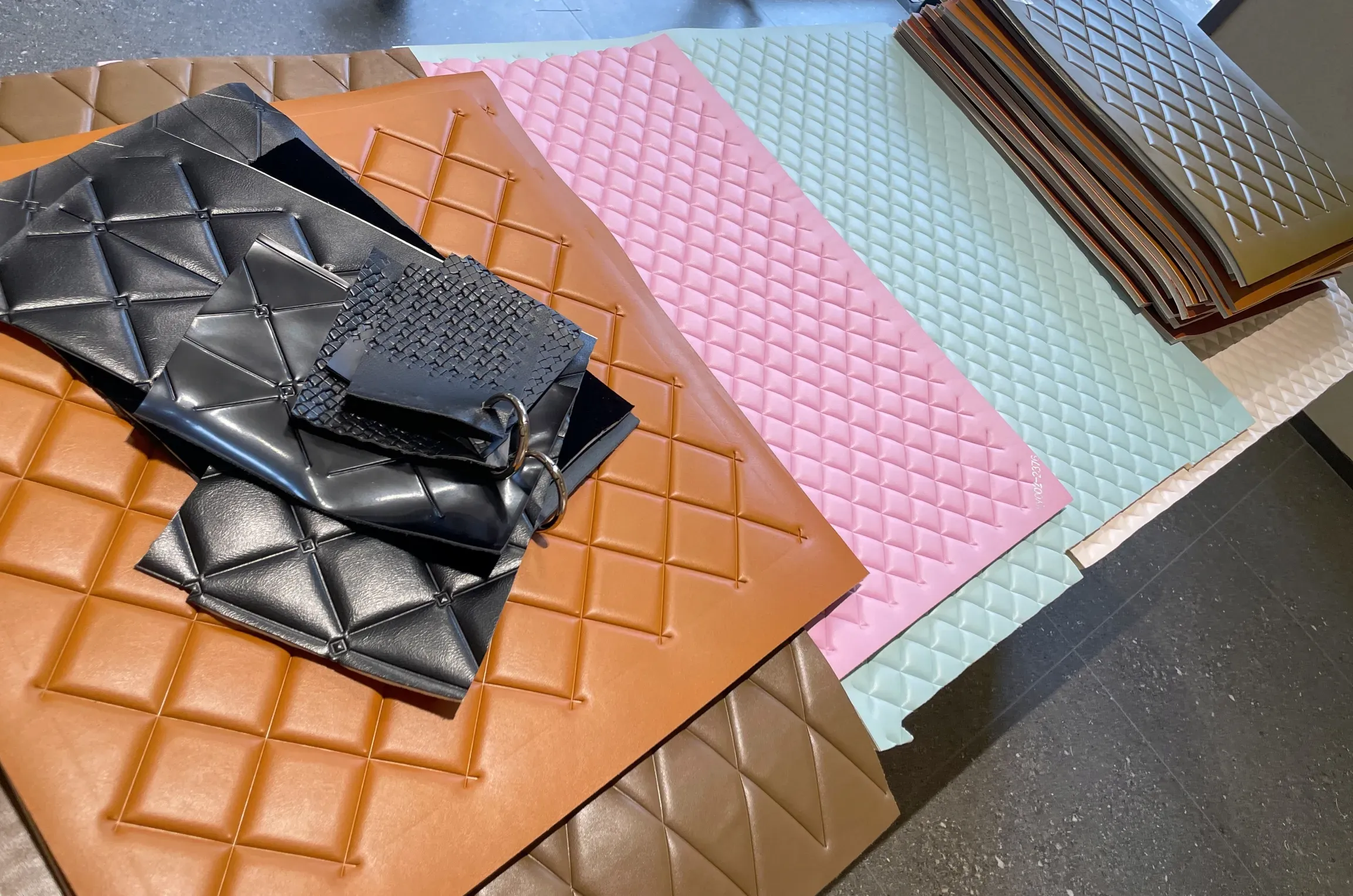
Choose the surface finish, grain texture, hand feel, softness and thickness around the product. A relaxed shoulder bag and a structured tote may need different backing and reinforcement.
Review material swatches at the panel size used in your bag. Fold and stitch the proposed material during sampling to check how the surface behaves at corners and seams.
Develop custom colour options from your reference swatch or PMS color direction. Compare matte, glossy and other available effects. Recycled PU nubuck or a suede-like finish can be evaluated when a suitable grade is available.
Review an embossed logo, debossed logo, foil stamping or suitable print method on the actual surface. Coordinate custom lining, labels, thread and edge paint with the approved material.
Coordinate logo plates, buckles, zipper pulls and closures. Plan dust bags, protective wrapping and retail packaging around the finished shape and surface. Explore material and finish customization.
Recycled content alone does not determine durability. Evaluate the selected grade alongside the bag’s shape, intended load, use conditions and construction.
Agree on relevant hydrolysis resistance, abrasion resistance, flex resistance, coating adhesion and colour fastness to rubbing requirements. Test methods and acceptance criteria are confirmed for the project; a general material name is not a performance rating.
Our quality control process connects material checks with workmanship, function and packing requirements.
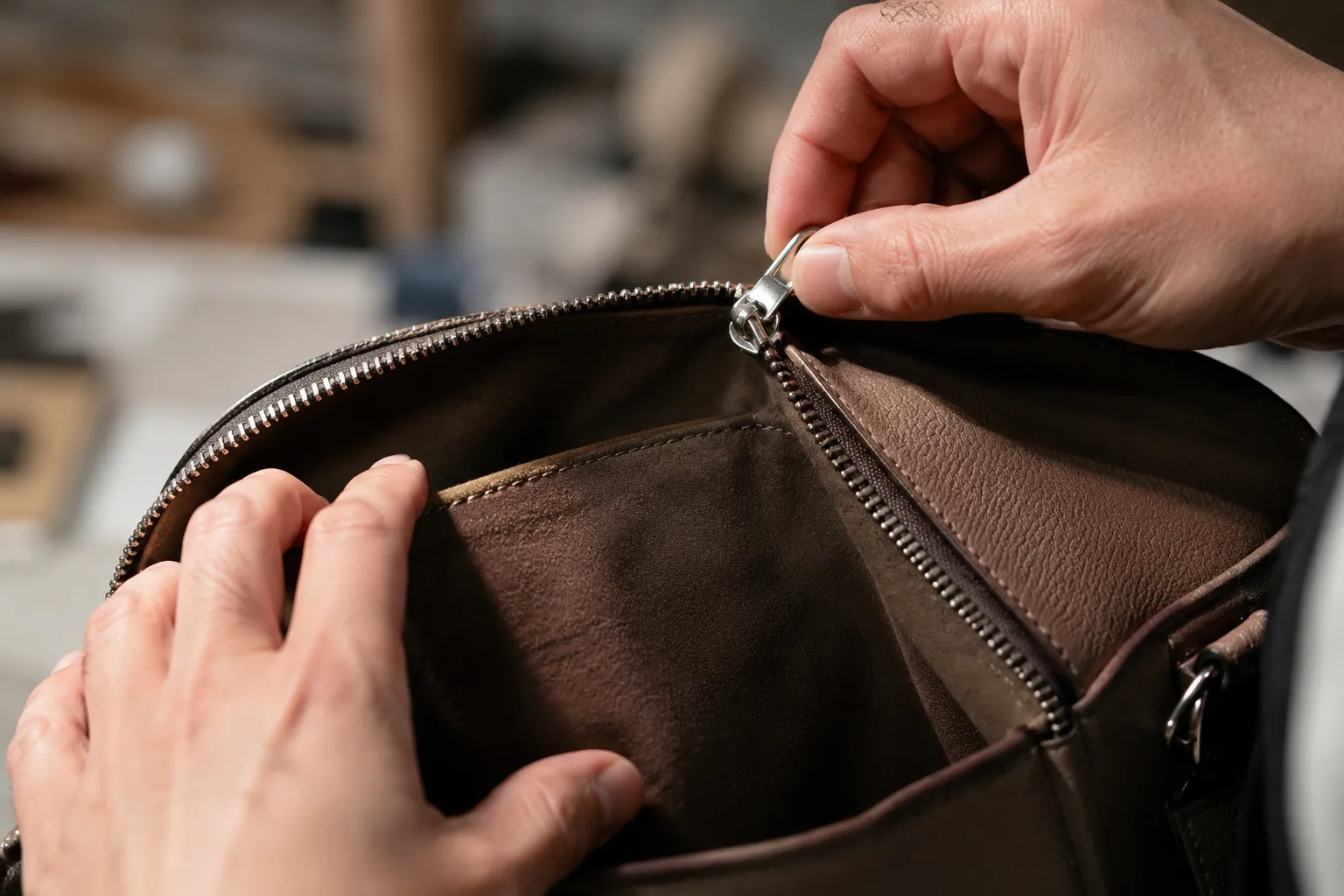
Record dimensions, pocket layout, opening, strap length and reinforcement. Inspect handle attachments, stress points, seam allowances and closure function.
Check fold marks, needle holes, surface cracking, peeling risks, edge paint and logo adhesion. Keep the approved sample, material code and revision record together.
Recheck incoming materials against approved swatches. Plan surface protection, shape support and packaging. Retain batch references to review consistency on repeat production.
Review recycled-material evidence before confirming product wording. The relevant documents should match the named material, supplier, supply route and order requirements.
The Global Recycled Standard / GRS is a Textile Exchange standard addressing recycled content and its chain of custody, alongside processing requirements. Confirm the applicable scope rather than assuming that every component of a bag has the same status.
For eligible projects, discuss a Transaction Certificate / TC requirement at material selection. Availability and the required process must be confirmed for the selected material, supply chain and order.
See our factory certifications and credentials for supplier qualification.

Material documentation and factory credentials answer different buyer questions.
Recycled content does not establish that a finished bag is recyclable, biodegradable or entirely animal-free. Review each requirement against the actual components.
Work with a recycled PU bag factory around the design information you have today. Our handbag development team reviews materials, construction and brand details as one brief.
For OEM recycled PU leather bags, send your tech pack, drawings or authorized reference sample. As your recycled PU bag OEM manufacturer, we review dimensions, material build, hardware and quality requirements before sampling.
Share your target customer, style references, price position and launch plan. As your recycled PU bag ODM manufacturer, we help refine the material and construction into a prototype for review.
Develop private label recycled PU handbags from an available, suitable design. Confirm the changes to colors, logos, lining, hardware and packaging, together with any new development needed.
Confirm design references, dimensions, intended use, quantity, target cost and timeline.
Review outer material, backing, recycled inputs, lining, hardware and required documents.
Make the pattern and prototype through sampling and prototyping.
Record comments, confirm revisions and complete sample approval before production.
Recheck materials and the BOM against the approved specification and order plan.
Follow the agreed manufacturing process, inspection and packaging requirements.
Wholesale recycled PU bags are quoted against an agreed design and material specification. For bulk recycled PU bags, share the quantity per style and color so the quotation reflects the actual order.
Plan around a standard MOQ of 500 pieces per style and color. Selected materials, custom colors, hardware and packaging may have separate sourcing minimums. Confirm these together before finalizing the order.
Typical sampling takes 7–14 days after the key information, required materials and sample payment are confirmed. Custom sourcing, complex construction and revisions can extend the schedule.
Material grade, composition, dimensions, panel layout, reinforcement, lining, hardware, logo method and packaging affect price. Include sample charges, tooling and agreed trade terms in the comparison.
For recycled PU handbag wholesale programs, approve the sample and material records first, then confirm the bulk lead time and shipping plan. As your recycled PU bag supplier, we review changes for their effect on cost and timing.
These terms describe different aspects of a material. Compare actual swatches, composition records, construction suitability and quotations before selecting the direction for your collection.
| Comparison | Key Difference | What to Confirm |
|---|---|---|
| Conventional / Virgin PU | Recycled PU incorporates documented recycled inputs. Conventional PU does not inherently carry that recycled-content specification. | Coating, backing, percentage, appearance, performance and target cost. Compare PU leather bag options. |
| Vegan Leather | Vegan describes an animal-free requirement; recycled describes the origin of some inputs. One label does not prove the other. | Review relevant materials, adhesives and other components. Explore vegan leather bags. |
| Recycled Leather | Recycled leather generally uses recovered animal-leather fibers or scraps with other components. It differs from PU-coated leather alternatives. | Confirm animal-derived content, binders, backing, finish and the exact material description. See our materials guide. |
| Bio-Based Polyurethane | Bio based polyurethane concerns feedstock origin; recycled content concerns recovered inputs. The terms are not interchangeable. | Confirm the bio-based polyurethane percentage, recycled share if any, complete composition and supporting evidence. |

I’m Tanya Tan, handbag product manager at Veggance. I help turn your design references, quantity plan and material requirements into a clear brief for our development and production team.
For a recycled PU project, I start by understanding the bag you want to make and the claim your brand needs to support. I coordinate material options, composition details, colors, linings, hardware and the documents to review before you approve the sample.
I follow up on sample comments and revisions, keep the approved details organized and coordinate communication about production progress and quality requirements. For repeat orders, I help the team check the new materials against the approved references.
Send me your sketch, tech pack or reference images, together with your target quantity and schedule. I’ll help identify what we need to confirm next.
Use these answers to prepare your material brief and compare suppliers on the same specification.
Recycled content and recyclability answer different questions. A bag made with recycled PU leather is not automatically suitable for another recycling cycle. Coatings, backing, adhesives and other components affect the available routes. For recycling PU leather after use, confirm acceptance with the relevant collection and processing service in the intended market before making a claim.
“Is PU recyclable?” and “Can polyurethane be recycled?” require a material-specific answer. Some polyurethane waste streams have recovery routes, but a finished coated fabric or mixed-component bag may be difficult to process through local systems. Check the actual material construction and available infrastructure rather than treating all polyurethane as recyclable.
Polyurethane is a manufactured polymer. A bio-based grade may incorporate feedstocks from biological sources, while a recycled grade incorporates recovered inputs. Neither description establishes the complete composition. Ask for the applicable percentage and the remaining components.
Polyurethane sustainability should be assessed against specific sourcing and product requirements. Review verified recycled content, complete composition, processing information where available, durability requirements and end-of-life options. A recycled label alone does not establish an overall environmental ranking against every alternative.
If your brief asks for eco friendly polyurethane or environmentally friendly polyurethane, translate that wording into requirements the supplier can check: recycled content, animal-free components, process information, relevant testing or documentation. Agree on evidence for the selected material before approving marketing wording.
PU is a synthetic polymer, but an animal-free finished bag requires a review of more than the surface material. Confirm backing, binders, adhesives, trims and other relevant components against your brand’s requirements. Recycled PU should also be distinguished from recycled animal leather.
The answer depends on the selected grade and the calculation scope. A percentage for the textile backing is different from a percentage for the entire outer material or finished bag. Specify which component is being described and verify its composition before approving the claim.
We can review custom recycled PU bag options around your color direction, texture, logo method, lining and hardware. Availability and minimums depend on the selected material and process. Approve the actual swatches and finished sample before bulk production.
Share your recycled-content target and document requirements at the start. We review the selected material, supply chain and order to confirm what evidence is available and whether the project can meet the applicable TC requirements. This must be checked before material commitment and production.
The standard MOQ is 500 pieces per style and color, subject to the project’s material and component requirements. Typical sampling takes 7–14 days after key details, materials and payment are confirmed. Bulk lead time is confirmed against the approved sample, material availability, quantity and production schedule.
A water-resistant surface does not establish that the finished bag is waterproof. Seams, zipper openings, lining and construction can allow water entry. If water resistance or waterproof performance is part of your brief, agree on the finished-product requirements and testing before making that claim.
Send your design direction to our recycled PU bag manufacturing team. We will review the material, construction, branding and order plan, then outline the next steps for sampling and quotation.
 Optimized by Seraphinite Accelerator