Brands & Retailers
Build women’s recycled polyester bags, men’s recycled polyester bags or unisex collections with coordinated colors, trims and packaging. Define the intended retail use and recycled-content description before sampling.


Veggance · Custom Bag Manufacturing in China
Develop a recycled polyester bag collection around your own design, target cost and material requirements. Veggance coordinates fabric sourcing, sample development, custom branding and bulk production for brands, retailers, wholesalers and importers.
From a soft shoulder bag to a structured backpack, we help define which components use recycled polyester, how the bag should perform and which material documents your order needs.
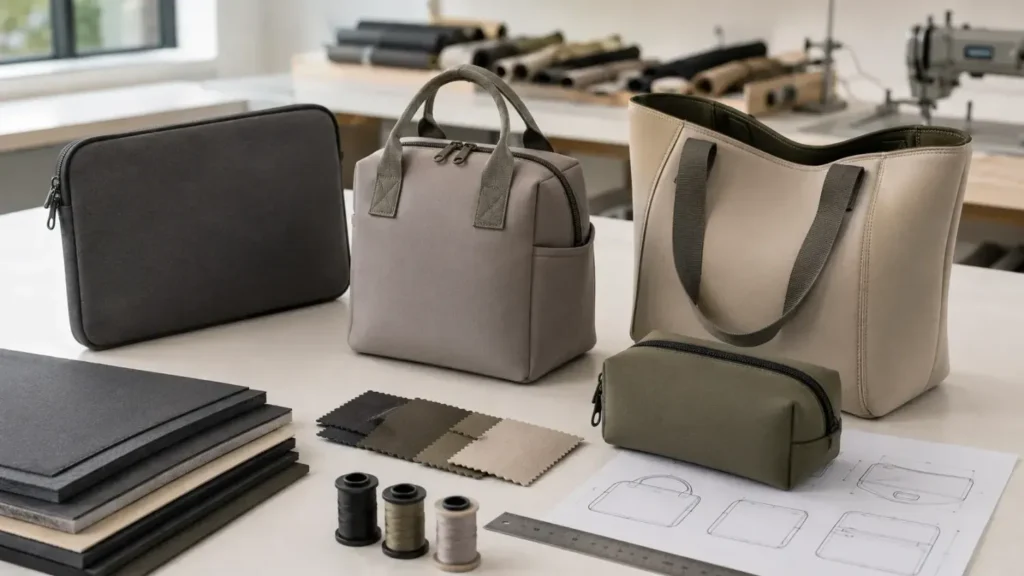
*Final minimums depend on the selected fabric, color, trims and construction.
Built around your buying program
Plan a single custom style or a coordinated wholesale range. We align the product brief with your sales channel, quantity, price position and approval process.
Build women’s recycled polyester bags, men’s recycled polyester bags or unisex collections with coordinated colors, trims and packaging. Define the intended retail use and recycled-content description before sampling.
Create repeatable specifications for bulk recycled polyester bags. Confirm the style mix, quantity per color, packing requirements and material availability for your distribution program.
Develop branded merchandise, gift bags, foldable shoppers and accessory sets. Review logo visibility, useful capacity and the documents needed for your purchasing brief.
Choose an original design, an adapted concept or a private label direction through our OEM / ODM handbag manufacturing services.
Choose your product direction
These are development directions for your brief. Product images can be added after the corresponding material and sample are approved.
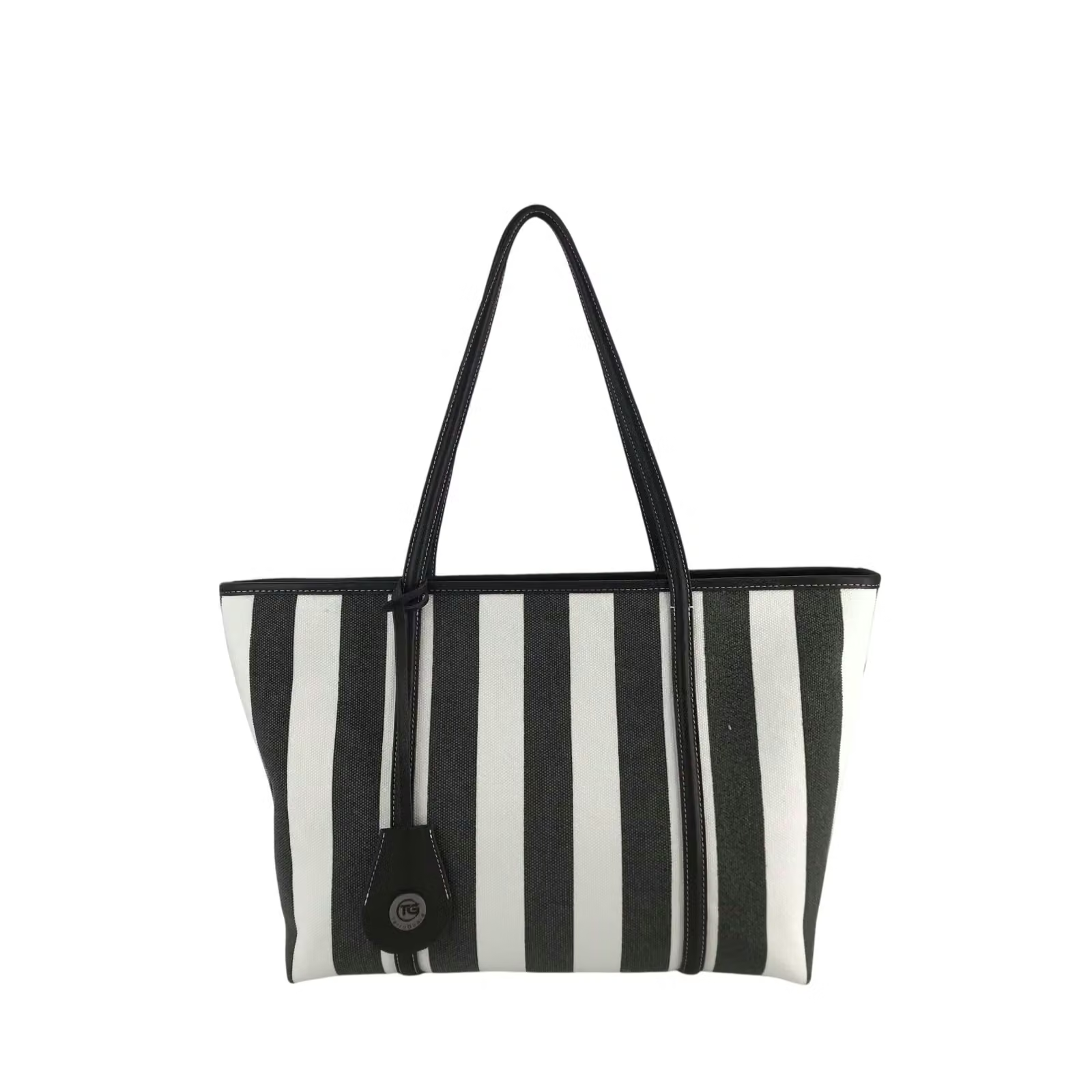
Customize a recycled polyester tote bag with a top zipper, internal pockets, a bottom gusset and your preferred handle drop. Shopper tote formats can be developed for daily carry or retail collections.
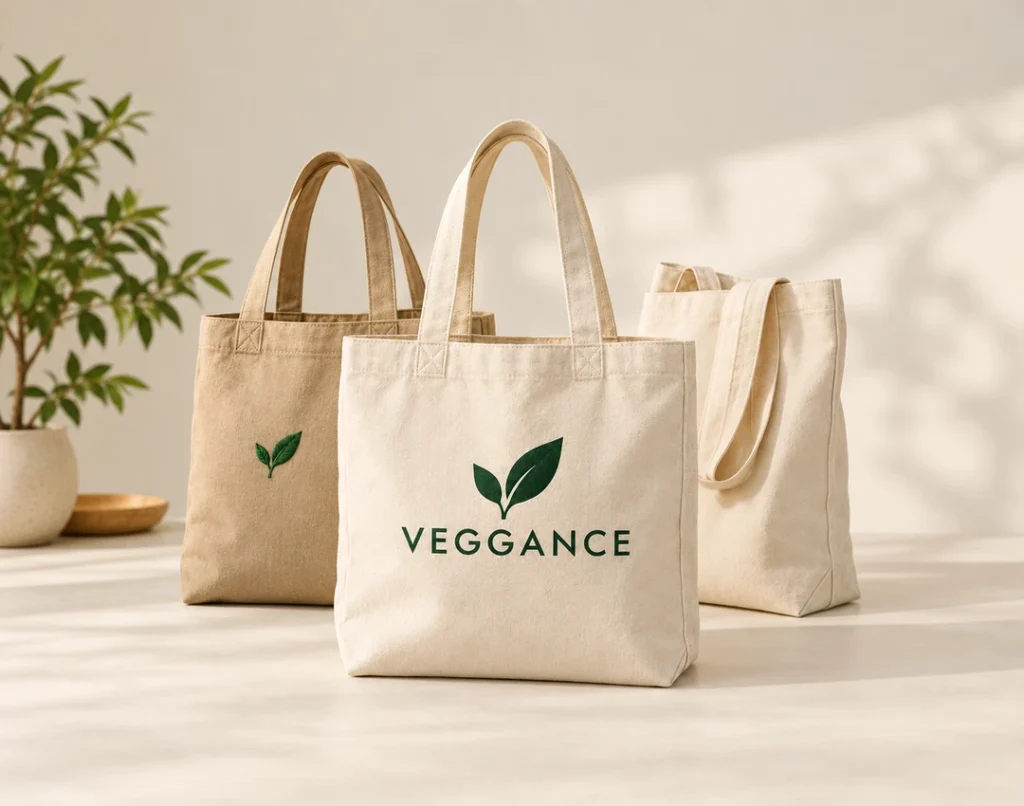
Develop recycled polyester shopping bags with an attached pouch or self-storing construction. Confirm both the open dimensions and folded size before approving the sample.
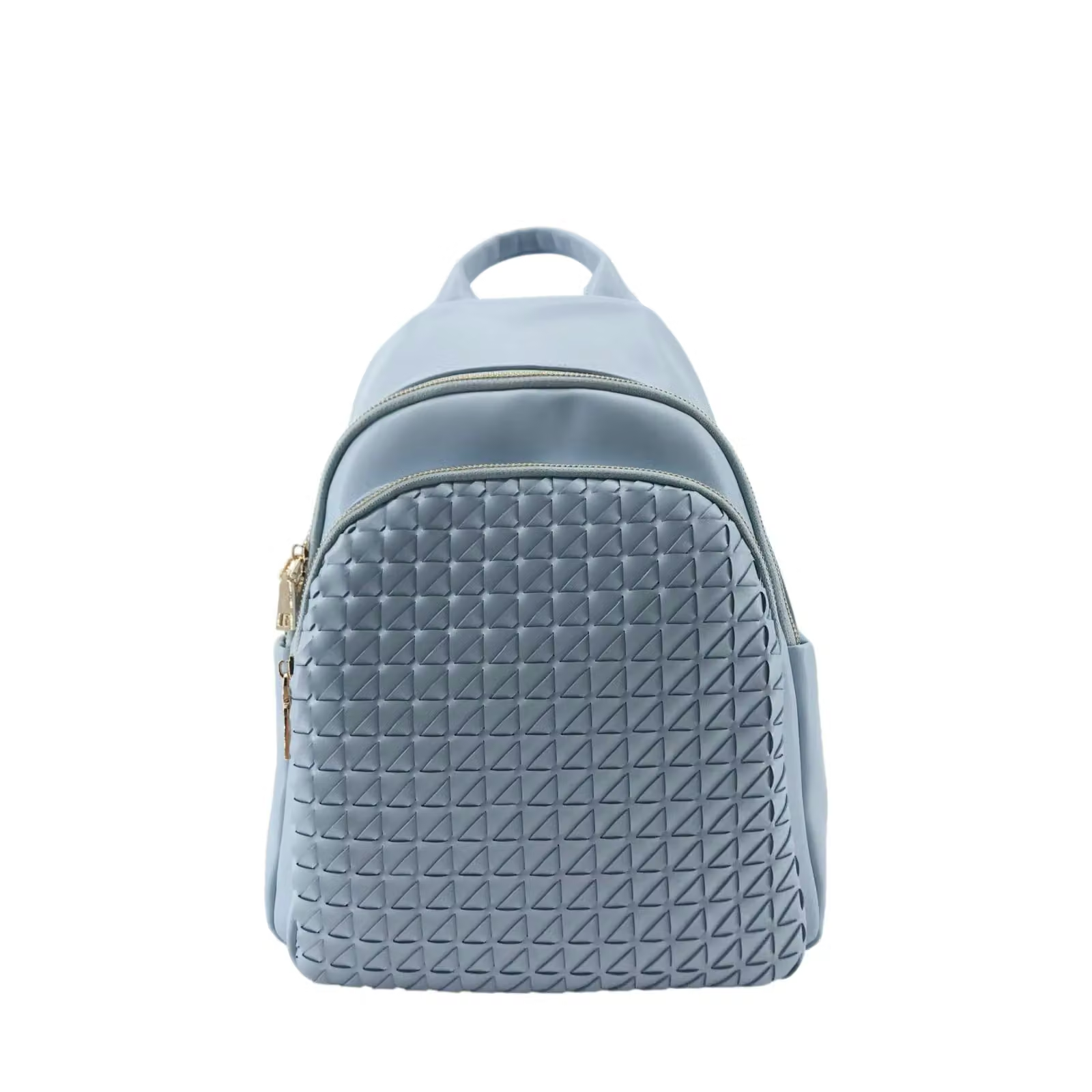
Plan recycled polyester backpacks with adjustable straps, front pockets and optional laptop storage. Recycled polyester for backpack projects is selected with reinforcement and carrying comfort in mind.
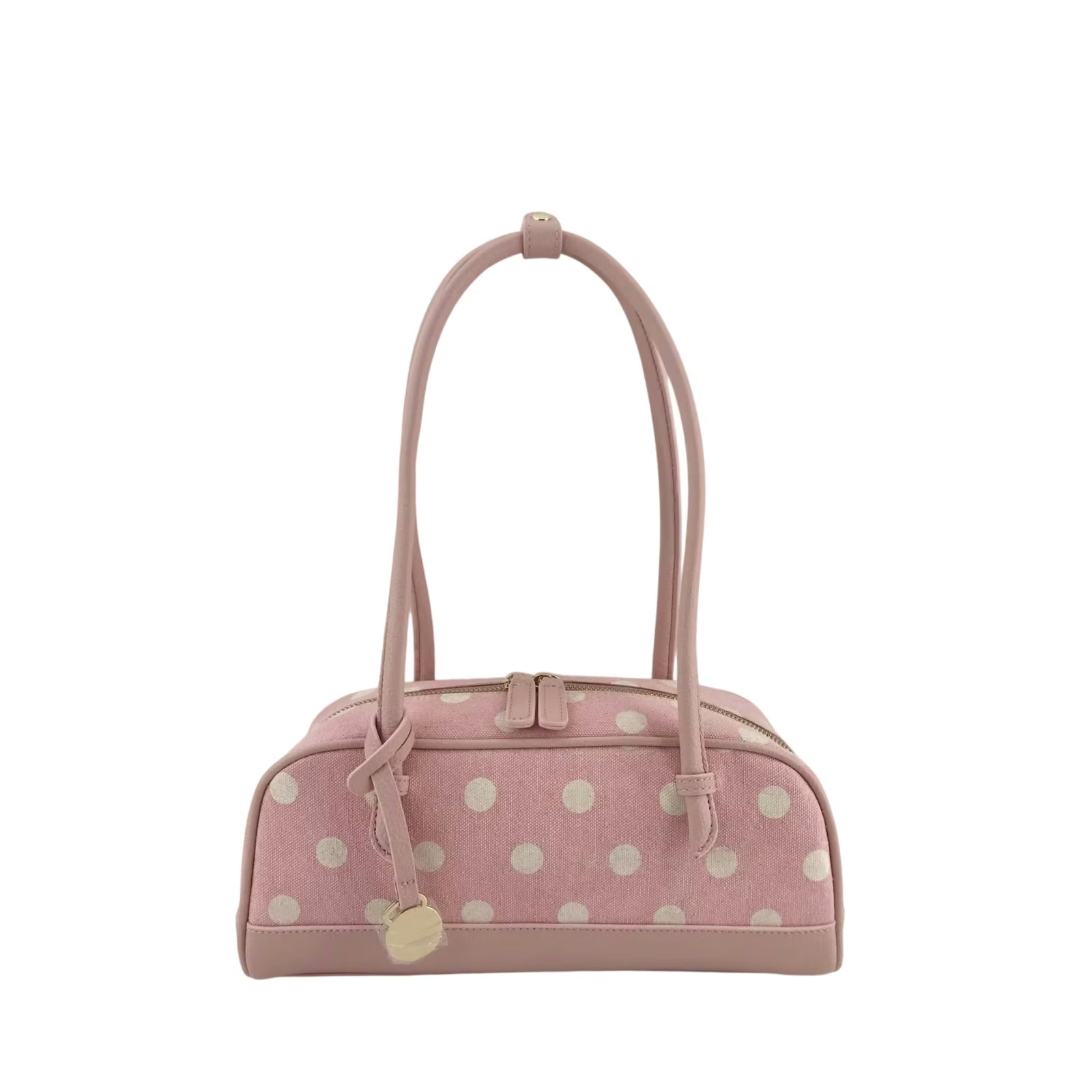
Choose a recycled polyester shoulder bag, soft crossbody bag or structured crossbody bag. Match the fabric body, lining and reinforcement to the intended silhouette.
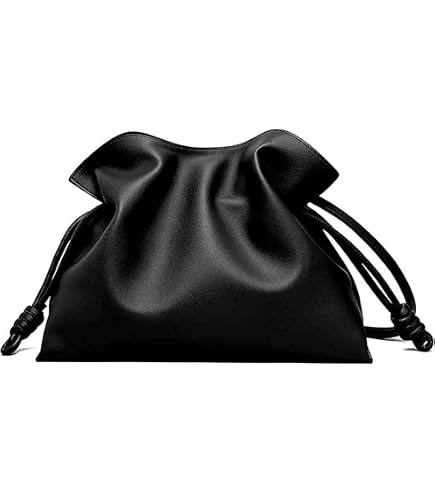
Recycled polyester drawstring bags, cosmetic pouches and travel organizers can form coordinated sets. Review cord channels, closures, usable interior space and finishing.
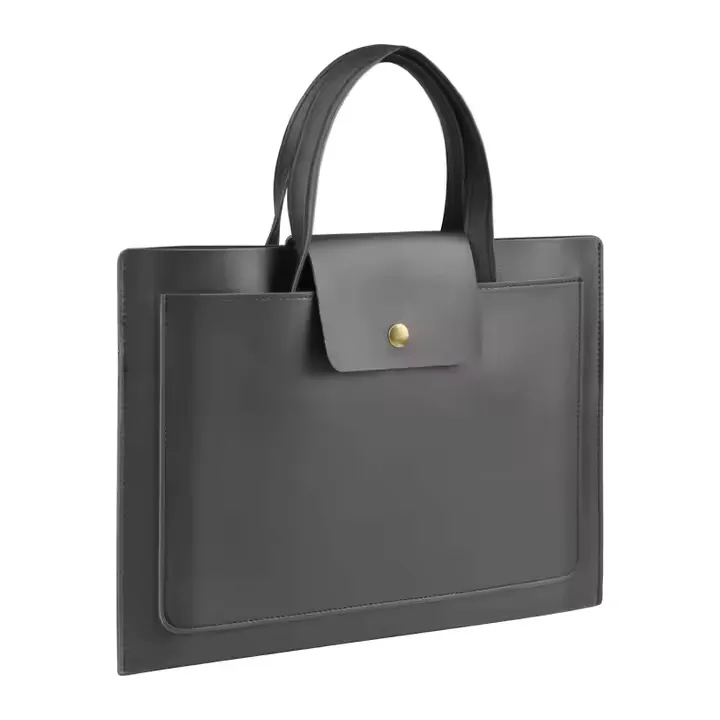
Discuss recycled polyester duffel bags, laptop bags, book bags and school bags. Start with what the bag needs to carry, then confirm compartments, padding and strap attachment.
Start with the actual swatch
Choose recycled polyester fabric by composition, weight, weave and finish. We coordinate fabric sourcing for finished bags and assess each option against your design and price target.
| Fabric direction | Possible application | What we review |
|---|---|---|
| 100% recycled polyester fabric | Bag bodies, linings and selected accessories | Confirm that “100%” applies to the specified fabric. Record coatings, backing, lining and trims separately. |
| 600D recycled polyester | Backpacks, work bags and everyday carry styles | Compare the actual denier, weave, fabric weight, flexibility and finish. A denier number alone does not establish finished-bag strength. |
| Recycled polyester ripstop | Lightweight bags and selected functional panels | Review the grid construction, surface appearance and required tear performance against the chosen sample. |
| Recycled polyester twill & plain weave | Fashion bags, totes and coordinated accessories | Compare the weave, drape and hand feel. A 100% recycled polyester plain weave is subject to the selected material’s availability. |
| Recycled polyester mesh fabric | Mesh bags, pockets and interior organization | Confirm mesh opening, stretch, snagging risk, lining needs and the intended contents. |
| Recycled polyester non-woven | Selected non-woven bag projects | First verify the actual fiber composition and recycled content; then assess appearance, printing and load requirements. |
| Recycled polyester & cotton | Blended fabrics or mixed-material bag designs | Specify whether the design uses a polyester–cotton blend or separate cotton panels. Confirm each material’s composition and percentage. |

Ask for a recycled polyester fabric swatch and record fabric composition, fabric weight in GSM, denier, weave, coating, backing, color and hand feel. Check how the material folds, stitches and holds the proposed shape.
Descriptions such as “recycled plastic polyester fabric” still need a defined fiber composition and source record. The material name alone is not a complete purchasing specification.
For general textile options, see our polyester bag materials and handbag materials guide.
Specify the components, not only the name
Decide which parts of your bag need recycled content. This makes sourcing, quotations, sample approvals and product descriptions easier to align.
| Component | Details to define | Approval reference |
|---|---|---|
| Shell fabric | Fiber composition, recycled content percentage, weave, weight and finish. | Approved outer-fabric swatch and material description. |
| Recycled polyester lining | Composition, recycled percentage, lining color, pocket layout and print if required. | Lining swatch and finished sample interior. |
| Recycled polyester webbing | Composition, width, thickness, color and strap or handle use. | Webbing sample and attachment construction. |
| Zipper tape & sewing thread | Requested recycled content, zipper function, thread specification and available supporting records. | Approved component samples and supplier information. |
| Padding & reinforcement | Foam, interlining, base boards, backing and any recycled-content requirement. | Component list and agreed construction. |
| Finished bag | The components included in any recycled-content statement and the basis for that description. | Confirmed bill of materials (BOM) and relevant documentation. |
A recycled outer fabric is one component. It does not establish that the lining, thread, zipper, padding, hardware or the entire finished bag is recycled.
Shape, texture and collection details
Bring your reference images and intended proportions. We can review recycled polyester bag designs with a relaxed surface, a supported body or a padded finish.
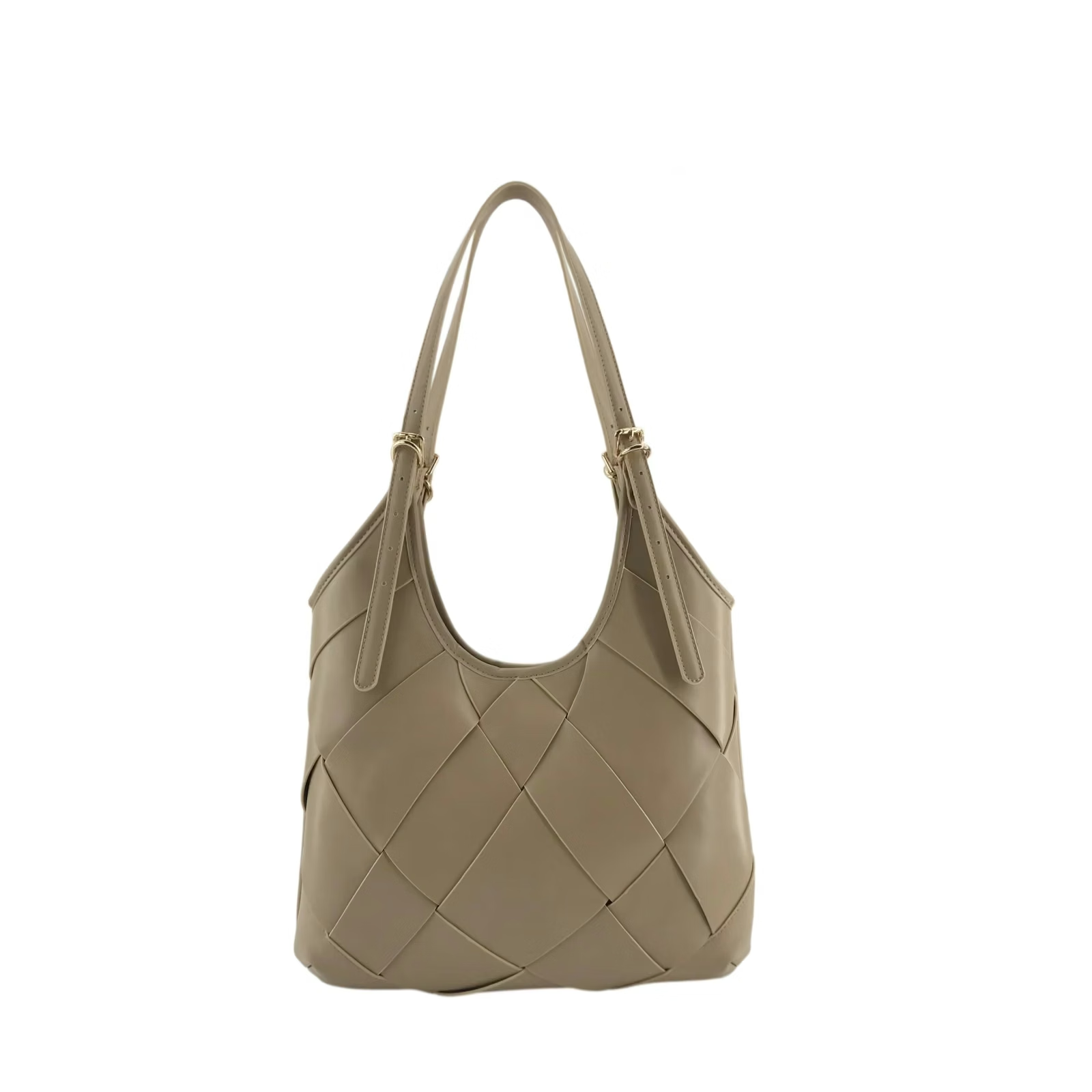
Develop the collection with our custom shoulder bag team, including women’s, men’s and unisex design directions.
Make the dimensions useful
A custom recycled polyester bag should fit the actual contents and carrying method. Define the structure before requesting a final manufacturing quotation.
Specify height, width, depth, bottom and side gussets, opening size and measurement tolerance. For laptop bags, confirm the device dimensions rather than only a screen size.
Confirm handle drop, strap width, adjustable straps, detachable fittings and carrying positions. Review handle attachment and reinforcement against the expected load.
Choose zippered pockets, slip pockets, key attachments, top zippers and drawstring openings. Check access with the items the bag will carry.
Coordinate custom lining, padding, interlining and a reinforced base. Evaluate how these parts affect weight, shape, foldability and usable space.
From artwork to approved sample
Choose branding around the selected fabric, surface finish, color and artwork. Approve a print or decoration sample before confirming the bulk method.
| Branding method | What we consider |
|---|---|
| Screen printing | Artwork detail, color count, coverage, fabric surface and required adhesion checks. |
| Heat transfer | Transfer type, heat settings, coating compatibility, edge appearance and application trial. |
| Sublimation | Polyester content, base color, surface treatment and the result on the exact fabric. Test before committing to a production run. |
| Embroidery | Fabric stability, backing, stitch density, panel position and the effect on the lining. |
| Woven labels, patches & zipper pulls | Dimensions, colors, placement, attachment and component order minimums. |
| Hangtags & packaging | Logo artwork, barcodes, care wording and the approved recycled-material description. |
Share your color reference using our PMS chart. A reference number guides development; the actual material and branding sample remain the approval standard. Explore bag customization options for coordinated details.
Specify performance for the finished design
Tell us where and how the bag will be used. We review the fabric and construction together, then agree on the verification needed for the intended description.
Water-resistant recycled polyester fabric depends on the selected weave, coating or treatment. Review PU coating, TPU lamination or other available finishes against flexibility, appearance and intended exposure.
For a waterproof recycled polyester bag brief, define the exposure, seams, closures, pockets and attachment points. Waterproof recycled polyester fabric alone does not establish a waterproof finished bag.
Assess seam strength, strap attachment, base reinforcement, zipper function and coating behavior. Durable recycled polyester bags require a suitable material and a coordinated construction specification.
Test methods and acceptance criteria are agreed for your product. Recycled content is a sourcing characteristic; it is not a water-resistance or load-rating specification.
Understand what the material description covers
Recycled polyester is polyester produced from recovered polyester-based feedstock. PET, or polyethylene terephthalate, is the polymer commonly associated with these materials. The actual source and recycled content should be recorded for the chosen input.
Distinguish pre-consumer textile waste from post-consumer textile waste, and confirm the source category in supplier records. Do not assume that every recycled polyester fabric has the same feedstock.
These describe different recycling routes. Bottle-to-textile uses recovered PET bottle inputs; textile-to-textile (T2T) uses recovered textile inputs. If your brief requires T2T fabric or a T2T recycled polyester zipper, availability and documents must be checked first.
Discuss material traceability, chain of custody and the recycled content percentage before sourcing. Connect the selected material, component list, supplier information and applicable order documents.
Identify the material, the part of the bag where it is used and the confirmed percentage. For example, a statement about the shell fabric should not be extended to the complete bag without a documented basis.
We coordinate material sourcing and bag manufacturing with the selected suppliers. Tell us if your program requires a particular feedstock route or documentary evidence.
Agree on documents before sourcing
Tell us whether your purchasing program has Global Recycled Standard (GRS) requirements and which materials or products the requested documents must cover.
Review the selected input, recycled content, component coverage and supply-chain conditions before sample approval. Material information and factory qualification records serve different purposes.
A transaction certificate (TC) can be arranged for eligible orders according to the selected materials and confirmed supply-chain and order conditions. Establish the requested coverage before material purchasing; document availability is confirmed for the specific project.

Social-compliance audit and supplier-assessment information for buyer review.

Facility authorization information for applicable Disney production programs.

Quality management system documentation for supplier qualification.

Environmental management system documentation for supplier qualification.

Occupational health and safety management system documentation.

Confirm the selected materials, covered components, supply chain and applicable order documentation.
The images above are reference logos or document placeholders. Request current, applicable records for your supplier review. Factory audits, authorizations and management-system documents do not establish the recycled composition or certification of every finished bag.
Compare specifications, not labels alone
Choose materials with the finished product in mind. Ask for comparable swatches and constructions so the comparison reflects the bag you intend to buy.
| Comparison | What to assess | Related material |
|---|---|---|
| Recycled polyester vs virgin polyester | Feedstock, selected fabric specification, hand feel, performance evidence, cost and documentation. Recycled origin alone does not guarantee identical behavior. | Polyester bag options |
| Recycled polyester vs nylon | Surface feel, weight, weave, coating, strength requirements, structure and price for the actual options. | Nylon bag materials |
| Recycled polyester vs cotton | Woven appearance, composition preference, fabric weight, care needs, print effect and the selected bag construction. | Canvas & cotton bag options |
For a broader material review, compare handbag materials or discuss recycled PU options for mixed-material collections.
Commercial details for a useful quotation
A recycled polyester bag price should refer to an agreed specification. We review your preferred materials, quantity, branding and document requirements before confirming the quotation.
Our standard starting point is 500 pieces per style and color. Custom dyeing, special recycled fabrics, printing, trims and hardware can change the material or component minimums.
Typical sample development takes 7–14 days after the key details are confirmed. Material sourcing, special components and revisions can extend the schedule.
Typical bulk production takes 30–45 days after approvals and order conditions are settled. Confirm the schedule around material readiness, quantity and your required shipping date.
Fabric grade and weight, confirmed recycled content, bag dimensions, pocket construction, padding, decoration, order quantity, retail packaging and documentation requirements all affect the quotation. Fabric price alone is not the finished-bag cost.
Read about our sampling and prototyping process before starting.
Keep approvals connected to production
Clear material and sample records give your recycled polyester bag factory a reference for bulk production and future repeat orders.
Check the incoming shell fabric, lining, webbing, coating and accessories against the approved material records. Review batch information and applicable supporting documents.
Review panel alignment, dimensions, seam appearance, strap attachment, zipper function, pockets, logo position and finishing. Include agreed strength or water-protection tests in the inspection plan.
Confirm folding or filling, hardware protection, individual packing, barcode labels, carton specifications, units per carton and shipping marks. Match retail packaging to the selling channel.
Keep the approved sample, color standard, BOM and artwork together. Review proposed material substitutions before use and confirm the new order’s availability, documents and timeline.
See our quality control process and manufacturing workflow for the main production checkpoints.
Your project contact
Bring your ideas, reference samples and purchasing requirements. We will review the next practical steps together.

I help turn your recycled polyester bag brief into a clear development plan. I work with you on the intended use, dimensions, quantity, target cost and material requirements, then coordinate those details with our sourcing and production team.
Before sampling, I help organize the outer fabric, lining, webbing, hardware, logo and any recycled-content documentation you need. During development, I follow up on sample comments and revisions so your approved choices stay connected to the specification.
For bulk and repeat orders, I coordinate communication around the approved sample, actual materials, production progress, quality requirements and packing. My aim is to give your team a clear project contact from the first brief through delivery planning.
Purchasing questions
Review the material, manufacturing and documentation questions before starting your order.
Recycled polyester is polyester made using recovered polyester-based inputs. In bag development, selected grades can be assessed for the shell fabric, lining, webbing and other components. The actual composition and suitability are confirmed for each material.
The feedstock can include recovered PET bottles or textile waste, depending on the supplier and recycling route. Pre-consumer and post-consumer sources are different categories. Request the source information for the exact material rather than assuming a single origin.
We can review that requirement during sourcing. “100% recycled polyester” must describe the specified fabric or component accurately. It does not automatically describe coatings, backing, lining, zippers, thread, padding or the complete bag.
Yes, we can review these bag styles around your references, dimensions and material requirements. Soft or structured crossbody bags, shoulder bags, drawstring bags, duffle bags and accessory sets can also be discussed during development.
We can assess blended fabrics, cotton-panel combinations, mesh pockets and selected mesh bag designs. Confirm whether the brief concerns a fiber blend or separate materials, and specify the composition and recycled content required for each part.
Recycled origin alone does not determine either property. Water resistance depends on the chosen fabric and finish. A waterproof finished bag requires a suitable complete construction, including seams and closures, with agreed verification.
The right fabric can be assessed for everyday use, but durability depends on the weave, weight, coating, seams, reinforcement and carrying load. We review the selected sample and agree on any relevant tests for your design.
Sublimation may be suitable for selected fabrics. Confirm polyester content, base color, coating and heat behavior, then approve a trial on the actual material. Screen printing, heat transfer, embroidery or labels may suit other designs.
Compare the exact fabric grades, finishes and bag constructions. Feedstock differs, while hand feel, strength, color and cost depend on the selected specifications. We can review swatches and sample results before you choose.
Recycled inputs can reduce reliance on virgin feedstock, but “sustainable” or “eco-friendly” should not be treated as an unlimited product promise. Assess the source, processing, durability, coatings, supply-chain information and intended claim. Quantified environmental comparisons need evidence for the material and comparison concerned.
Recycled content does not establish biodegradability. The finished bag’s recyclability depends on its material mix, coatings, construction and available collection and recycling systems. Do not describe a complete bag as biodegradable or readily recyclable solely because its outer fabric contains recycled polyester.
Tell us the required material, product and document coverage before sourcing. A transaction certificate can be arranged for eligible materials and orders under confirmed supply-chain conditions. Applicable documentation is reviewed for the specific project.
T2T sourcing is a requirement to verify first, not a default feature of our bag collections. If your brief requires textile-to-textile recycled polyester fabric or zipper components, we need to confirm the supplier, source records, suitability and minimums before committing.
The standard starting point is 500 pieces per style and color, subject to the chosen materials and components. The price depends on fabric, dimensions, construction, decoration, quantity, packaging and requested documents.
Typical sampling is 7–14 days once key specifications are confirmed. Typical bulk production is 30–45 days after approvals and settled order conditions. Special materials, components, revisions and quantity can change the schedule.
Send a tech pack, sketch, reference photos or sample, with dimensions, quantity per color, preferred fabrics, required recycled content, structure, logo, packaging and documents. Add your target market, cost and delivery timing so we can prepare a relevant quotation.
Let’s define your next collection
Send the information you have. If a material or construction detail is still undecided, tell us what the bag needs to do and we will help organize the options.
Email your brief to info@veggance.com, or open the project inquiry form below.
 Optimized by Seraphinite Accelerator