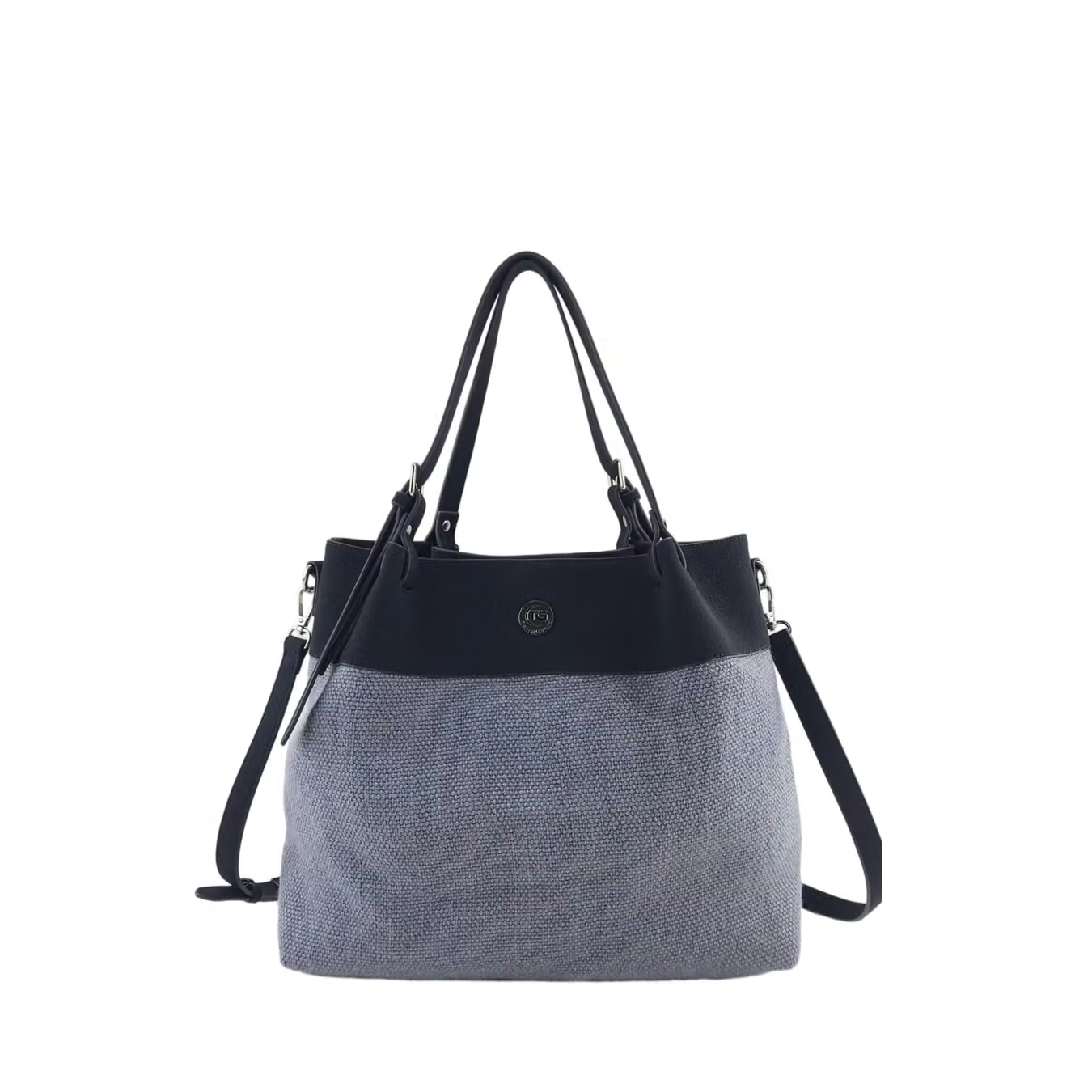
Recycled Cotton Tote Bags
Develop a recycled cotton tote for everyday collections, book carrying or branded merchandise. Adjust the proportions, handle drop, pockets and lining to suit your customer.


OEM / ODM · PRIVATE LABEL · CHINA MANUFACTURING
Develop recycled cotton bags around your collection, branding and sourcing requirements. Veggance coordinates material selection, sampling and bulk production for brands, importers, wholesalers and retailers.
From a recycled cotton tote bag to matching cosmetic pouches and drawstring packaging, we help connect the fabric, construction and approved details in one custom bag program.
CUSTOM MATERIALS · COORDINATED BRAND DETAILS
BUILD YOUR ASSORTMENT
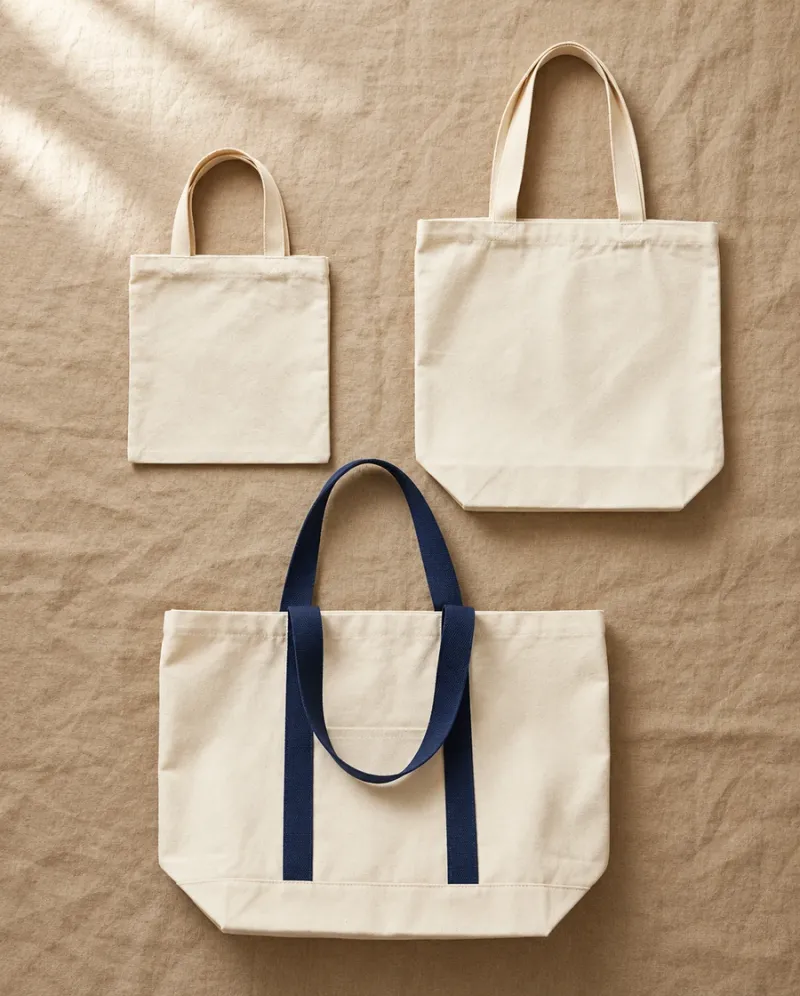
Choose one style or build a coordinated assortment of custom recycled cotton tote bags, shopping bags and smaller accessories.
Develop a recycled cotton tote for everyday collections, book carrying or branded merchandise. Adjust the proportions, handle drop, pockets and lining to suit your customer.
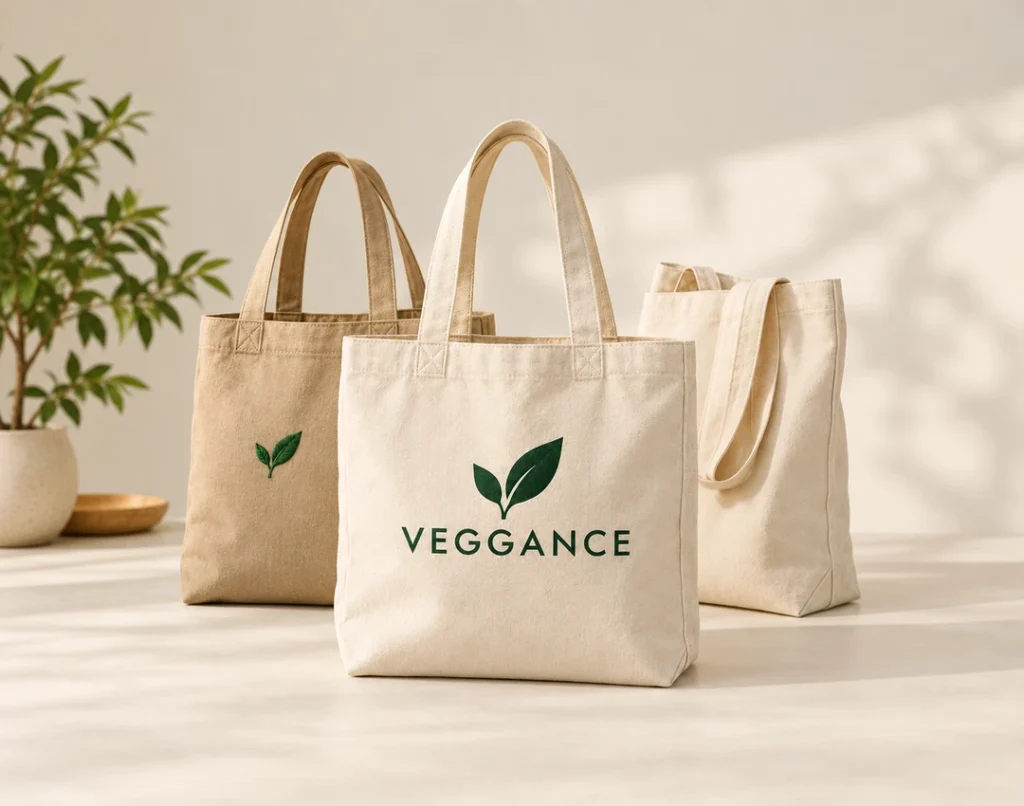
Create recycled cotton shopping bags and shopper styles with flat or gusseted bodies, comfortable handles and a usable opening matched to your retail products.
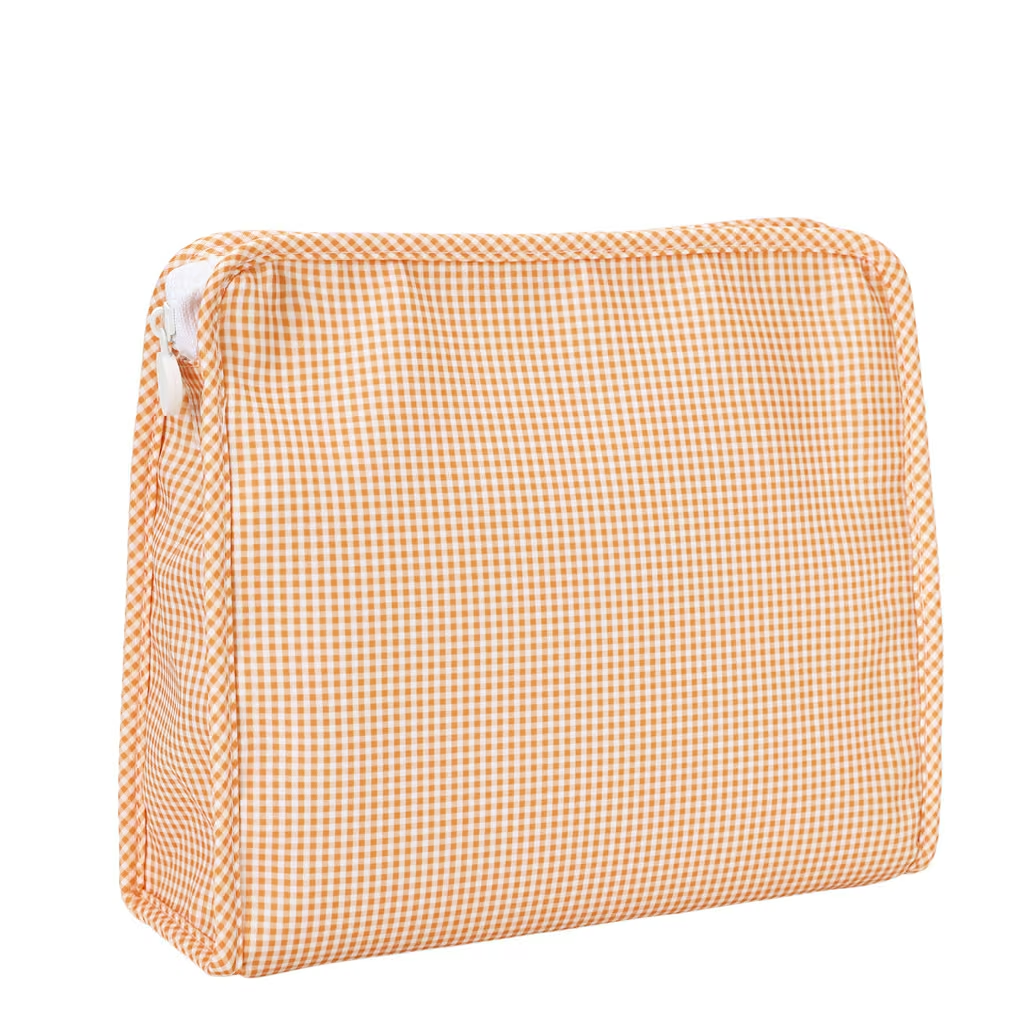
Recycled cotton cosmetic bags and makeup pouches can support beauty launches, retail sets and gifting. Coordinate the outer fabric, lining, zipper and logo before sampling.
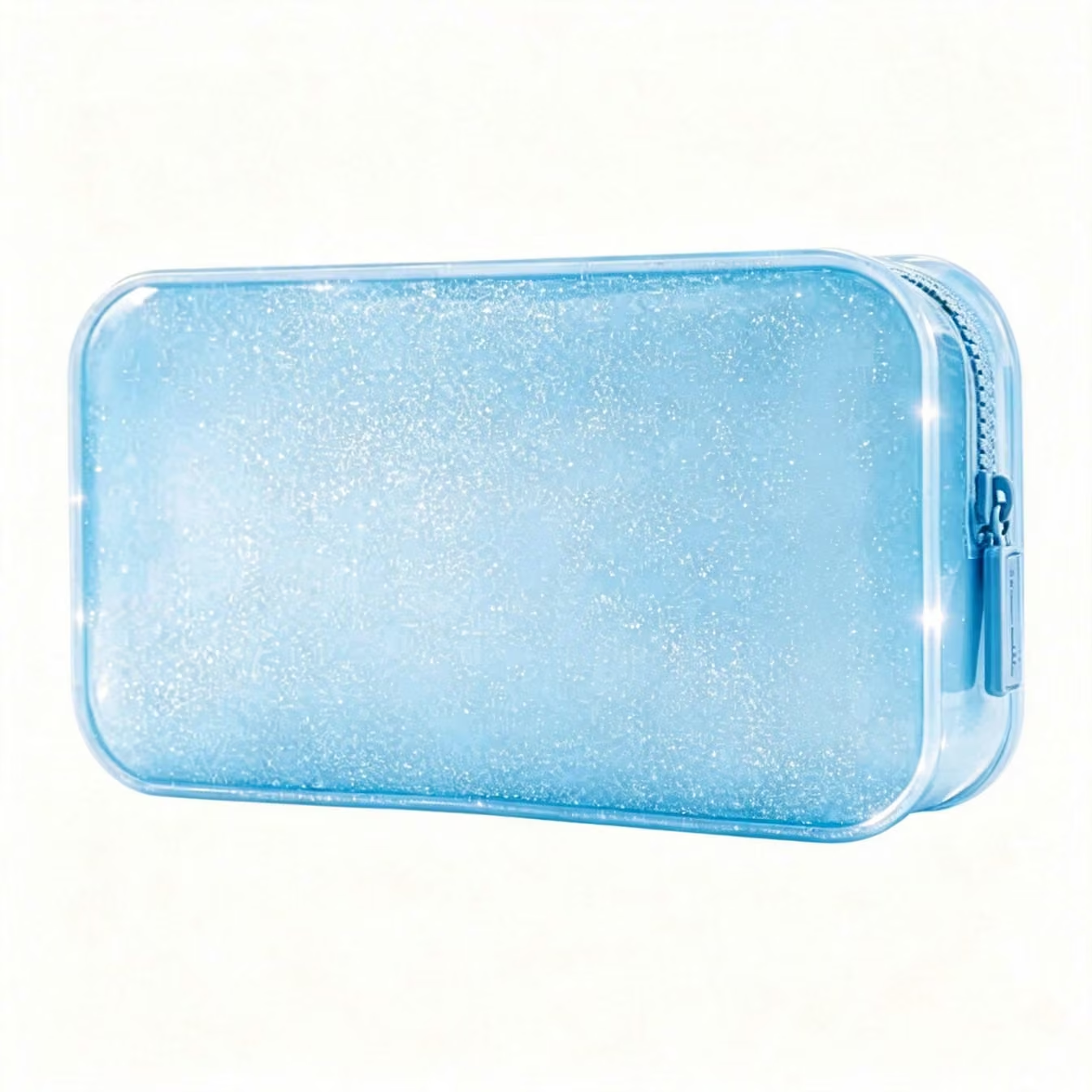
A recycled cotton pouch can organize small essentials or complement a larger tote. Recycled cotton pouches can share colors, labels and packaging across a coordinated range.
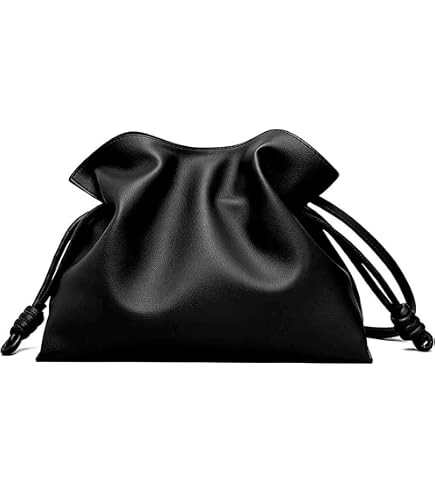
Develop recycled cotton drawstring bags for gift presentation, product protection or soft packaging. Confirm the cord, channel, opening width and finished interior dimensions.
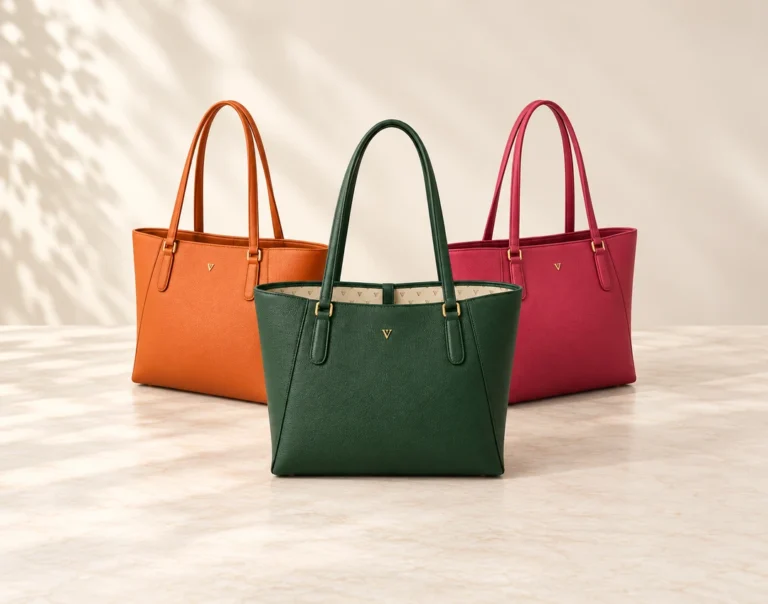
Customize recycled cotton gift bags and promotional tote bags for campaigns, events and corporate programs. Review print visibility, carrying needs and packing quantities together.
KNOW YOUR MATERIAL
Pre-consumer recycled cotton may originate from qualifying manufacturing waste such as fabric offcuts, garment cutting waste and yarn waste. Post-consumer recycled cotton comes from textiles that have already served their intended use. Confirm the actual source and supporting records for the selected material.
Post-industrial waste is a term buyers may encounter in sourcing descriptions. Ask which input it describes and how it is classified, rather than treating every textile waste stream as interchangeable.
For 100% recycled cotton bags, confirm whether the claim refers to the outer fabric or the entire finished product. Recycled cotton blend bags use an agreed mix of recycled cotton and other fibers; the composition, recycled percentage and available colors need to be reviewed for the specific grade.
We assess both 100% recycled cotton tote bags and blend directions against sourcing availability, strength, appearance and your required documentation before making a commitment.

Collection and sorting → mechanical recycling and shredding → recycled fibers → yarn spinning → weaving. The selected supplier’s process and records establish the actual material route.
Virgin cotton is newly produced cotton fiber. Confirm its share separately when it is included in a blend.
FABRIC THAT FITS THE DESIGN

Recycled cotton canvas bags and recycled cotton canvas tote bags can offer different levels of body and structure. Compare the approved swatch and sewn sample, including the effect of lining, interlining and reinforcement.
For a recycled cotton twill bag, review the diagonal weave, surface texture and drape. Recycled cotton twill tote bags can be developed as part of the same collection when the selected fabric meets the brief.
Cotton describes the fiber; canvas and twill describe fabric constructions. Specify plain weave or twill, fabric weight in GSM / g/m² or oz/yd², and the preferred hand feel. Natural, black and other dyed fabric options depend on the selected material.
Approve visible fibers, shade variation and surface texture using physical swatches. A natural color alone does not establish the fiber source or recycled content.
Compare our canvas bag material options and wider materials for custom bags.
YOUR DESIGN · YOUR BRAND
Custom printed recycled cotton bags and private label recycled cotton tote bags start with a coordinated specification, from the bag dimensions to the last label.
Choose a flat tote, bottom gusset or side gusset. Confirm finished width, height, depth, handle length and handle drop. Long handles for shoulder carry, reinforced handles, inner pockets, zipper closures and drawstring closures should be reviewed with the intended contents.
Coordinate the lining, base support, webbing and any contrasting trims before the first prototype.
For recycled cotton bags with logo, compare screen printing, heat transfer and embroidery against the artwork, fabric texture and print area. Printed recycled cotton tote bags need an approved decorated sample for placement, clarity and color.
Use Pantone references and a physical color swatch for communication. Check the final result on the actual fabric. View our PMS chart.
Develop plain recycled cotton bags or blank totes for your own printing and embroidery. Tell us the decoration process, usable artwork area and equipment needs so we can review seam positions and access to the panels.
Test your process on the selected sample before approving the bulk order.
Private label recycled cotton bags can include custom woven labels, hangtags and branded packaging. For rebranding projects, confirm label placement and any required content or care information.
Explore bag material options before confirming the lining, color and finish for the complete design.
DESIGNED FOR THE INTENDED USE
Heavy duty recycled cotton bags require an agreed load target and construction. Durable recycled cotton tote bags depend on seam strength, handle attachment, reinforcement and base design as well as fabric weight.
We review reusable recycled cotton bags around their intended contents and repeated use.
For washable recycled cotton bags, define the cleaning method before selecting the fabric, printing, lining and trims. Review shrinkage, colorfastness and print durability under the agreed care conditions.
The care guidance should follow the approved materials and finished sample.
Water resistant recycled cotton bags may require a selected surface treatment. Waterproof recycled cotton bags also need a coordinated approach to seams, zippers and openings.
Share the exposure conditions and acceptance criteria so we can assess feasibility. Fabric treatment alone does not establish finished-bag waterproof performance.
For sustainable recycled cotton bags or eco friendly recycled cotton bags, define the facts behind the brief: the documented recycled content, specified components and a reusable design. Recycled content by itself does not establish the end-of-life performance of a finished bag.
DOCUMENT THE MATERIAL CHOICE
Set the document requirements before sourcing. Identify which components contain recycled cotton, the recycled-content percentage, the raw material source and the claim you need to support.
The Global Recycled Standard (GRS), managed by Textile Exchange, addresses recycled-material verification and chain of custody, with additional processing requirements. For GRS certified recycled cotton bags, confirm the selected supply chain, product coverage and permitted claim for the specific order.
A Transaction Certificate (TC) may be arranged for eligible material and order routes, subject to the applicable certification requirements. Confirm availability and scope before placing the order.
The Recycled Claim Standard (RCS) addresses recycled-material verification and chain of custody. GRS includes additional processing requirements; the applicable standard and supporting documents must match the selected supply chain. Factory audits and management-system credentials also serve different purposes from a product’s recycled-content documentation.
Veggance’s existing credentials include SMETA / Sedex, Disney FAMA, ISO 9001, ISO 14001 and ISO 45001. Review the current documents and project requirements on our factory credentials.

Recycled-material program requirements; confirm the specific material and order.

Social-compliance assessment information.

Facility authorization credentials; confirm applicable program requirements.
What to request: confirmed fiber composition, recycled percentage, pre-consumer or post-consumer source information, traceability records and the required order-specific documentation. The logos above identify existing credential categories and are not proof that every bag shown on this page is a certified finished product.
BRAND PROGRAMS · BULK ORDERS
For recycled cotton bags wholesale and bulk sourcing, define the use, assortment and quantity per style and color. Our wholesale recycled cotton bags are developed around the confirmed project specification.
Combine a tote with a recycled cotton zipper pouch for a coordinated assortment. Retail packaging projects should balance presentation, useful carrying space and branding.
Build cosmetic pouches and gift sets for beauty gifting, skincare launches or a gift with purchase. Confirm the packaged products, interior dimensions and protection needs.
Recycled cotton promotional bags can support corporate gifts, promotional merchandise, trade shows and events. Coordinate the artwork, carrying comfort and packing units with the campaign.
For recycled cotton tote bags wholesale or bulk orders of several bag styles, share the quantity breakdown. Consolidated fabric or branding does not automatically remove the minimum for each style and color.
FROM BRIEF TO APPROVED PRODUCTION
For recycled cotton bag OEM projects, we develop from your design and specification. For ODM recycled cotton bags, we can review a starting concept and adapt the approved details. Both routes require a confirmed sample before bulk production.
Send a sketch, reference photo, physical sample or tech pack. We review the intended use, target price, size, estimated quantity, destination market and requested delivery date.
Confirm the Bill of Materials (BOM): fabric composition, recycled percentage, weave, weight, colors, lining, trims and packaging. Record any material or order-specific document requirements.
Custom made recycled cotton bags move into pattern making and prototype construction after the key details are agreed. Typical recycled cotton bag sampling takes 7–14 days, depending on sourcing and design complexity.
Record sample approval and lock the specification before production. The typical recycled cotton bag MOQ is 500 pieces per style and color. Bulk production is generally 30–45 days after approvals and material confirmation; the exact schedule is confirmed for the order.
Agree on labels, product protection, individual packing and carton requirements. Coordinate the required export information and shipment plan with the confirmed order.
Explore OEM / ODM and private label manufacturing or our sampling and prototyping process. Your recycled cotton bag production lead time is confirmed against the final specification and material availability.
APPROVE THE DETAILS THAT MATTER
When comparing recycled cotton bag manufacturers, connect the approved sample with a clear inspection and production record. We agree the relevant quality checkpoints with your team.
| Checkpoint | What to confirm |
|---|---|
| Dimensions & construction | Finished width, height, gusset, usable opening, handle length, handle drop, pockets and closures. |
| Fabric & material records | Agreed composition, recycled content, fabric weight, hand feel, shade and the required sourcing information. |
| Stitching & load points | Seam appearance, handle attachment, reinforcement and construction against the agreed load requirements. |
| Logo & color | Print placement, color, clarity, embroidery finish and decoration durability against the approved sample. |
| Care & performance | Any agreed shrinkage, colorfastness, washing or finish checks, with methods and acceptance criteria defined for the project. |
| Sealed sample & bulk materials | Approved sample, revision history and the matching material and trim specifications before bulk release. |
| Protection & packaging | Fold method, surface protection, labels, packing quantity and carton identification. |
| Repeat-order consistency | Retained specifications, approved color references and review of any new material batches or proposed substitutions. |
See our handbag quality control process for the wider production workflow.
YOUR PROJECT CONTACT

I’m Tanya. I help turn your recycled cotton bag idea into a clear development brief for our sampling and production team. You can start with reference photos, a sketch or a tech pack; I’ll help organize the size, quantity, material direction and target schedule.
I coordinate the fabric composition, recycled-content requirements, colors, logo, lining and packaging choices before sampling. If your project needs specific sourcing records or a TC, I’ll help clarify the material route and required documentation before we confirm the order.
During development, I follow up on sample comments, revisions and approvals. For bulk and repeat orders, I keep communication connected to the approved specification, quality checkpoints and agreed delivery plan.
ANSWERS FOR SOURCING TEAMS
They use fabric containing cotton fibers recovered through a recycling process. The input may be qualifying pre-consumer or post-consumer material. Confirm the fiber composition, source category and recycled percentage for the selected fabric, including whether the claim covers only the bag body.
We can assess a 100% recycled cotton direction against material availability, construction needs and supporting records. Confirm the exact fabric first; a 100% recycled cotton outer fabric does not automatically make the lining, labels, zipper and complete finished bag 100% recycled cotton.
Pre-consumer inputs are qualifying materials diverted from manufacturing waste streams. Post-consumer inputs come from products that have already served their intended use. We confirm the selected input and supporting records rather than assuming both routes are available for every material.
Recycled cotton describes the material’s recycling history. Organic cotton describes how the cotton was grown under the relevant organic requirements. These are different attributes; a recycled-content claim does not establish organic content.
Compare weave, weight, drape, texture and the structure you want. A recycled cotton canvas bag and a twill bag may behave differently once lined or reinforced. Review physical swatches and a finished sample before choosing.
There is no single weight for every tote. Tell us the intended contents, load target, preferred structure and budget. We review GSM or oz/yd² together with the handles, seams, lining and base reinforcement.
We can review custom printing, embroidery or a blank bag program. Share the logo file, colors, artwork dimensions and decoration method. Approve the decorated sample or test your own printing process on the selected blank fabric before bulk production.
Yes. We can coordinate the interior layout, lining, inner pockets, handle drop, gusset, closure and branded details around the confirmed design. Material and component choices can affect the minimum quantity, price and lead time.
Washability depends on the selected fabric, print, lining and trims. Confirm the care method and any shrinkage, colorfastness and decoration checks during development. Follow the care guidance established for the approved finished bag.
We assess these as project requirements. Heavy duty construction needs a load target and reinforcement plan. Water-resistant or waterproof development requires the exposure conditions, fabric treatment, seam and closure design, and agreed verification before making a performance commitment.
Start with the exact claim, material composition and required source information. For an eligible GRS route, confirm the supply chain and order-specific documentation requirements. TC availability depends on the selected material, certification requirements and order; discuss this before sourcing.
Our typical MOQ is 500 pieces per style and color. Samples generally take 7–14 days after key details are confirmed, and bulk production generally takes 30–45 days after sample approval and material confirmation. We confirm the exact timing for each project; sourcing or complex customization may need longer.
Fabric composition and weight, dimensions, lining, pockets, reinforcement, logo process, labels, packaging and quantity per style and color all affect cost. Share the destination and required shipping terms so the quotation has a clear basis.
We use the approved specification and sample as the reference, then review new material batches, shades, trims and any proposed changes. Confirm acceptable variation and required reapproval points before starting the repeat order.
LET’S BUILD YOUR NEXT COLLECTION
Looking for a recycled cotton bag supplier for your next collection? Share your brief with Veggance, a recycled cotton bag factory in China supporting custom development and bulk manufacturing.
When comparing recycled cotton bag suppliers, ask for a quotation based on the same material, construction and document requirements. This gives your team a clearer basis for cost and sample review.
 Optimized by Seraphinite Accelerator