
TOTE & SHOPPER
Tote bags
Develop a custom apple leather tote with the right opening, handle drop, base support and interior organisation. Check handle attachments and the intended carrying load.


VEGGANCE / APPLE-BASED BAG DEVELOPMENT
Develop custom apple leather bags around your design, market and target cost. Veggance brings material selection, sampling, custom hardware and handbag production into one project workflow.
For private label apple leather bags, we review the selected supplier, material grade, composition and availability before confirming the development plan.

01 / UNDERSTAND THE MATERIAL
Apple leather is a market name for leather-like materials incorporating apple-derived content. Apple skin leather, apple peel leather and apple peel skin leather describe related material directions; the name alone does not identify a complete formula.
Apple pomace, apple pulp or other apple-processing residues provide the apple-derived component. Depending on the grade, this is combined with polymers such as polyurethane, a textile backing and a finishing coating. Ask for the composition of the complete material, including its backing.
Cotton, polyester or canvas may appear in the backing or composite structure. Other material systems can use waterborne PU or ingredients such as natural rubber. These are grade-specific routes, rather than a standard recipe for every apple-based material.
The material supplier processes apple waste into a usable ingredient, combines it with the selected binder system and backing, and develops the surface finish. The sequence and construction depend on that supplier’s technology. Our handbag work starts with evaluating the finished material for your product.
ILLUSTRATIVE STRUCTURE / VERIFY THE GRADE
Texture, colour and surface behaviour.
Review apple content and the complete binder system.
Confirm fibre content, support and flexibility.
You may encounter descriptions such as apple waste leather, apple fiber leather or apple fibre leather. Treat these as starting points for a composition review. A bio-based leather alternative is not automatically fully plant-derived, plastic-free or biodegradable. A vegan apple leather specification also needs to be considered alongside the lining, adhesives and other components of the finished bag.
02 / TURN MATERIAL INTO A COLLECTION
Start with the silhouette your customer needs, then review the material against the structure. These apple leather bag applications are development directions, subject to material approval and sampling.
TOTE & SHOPPER
Develop a custom apple leather tote with the right opening, handle drop, base support and interior organisation. Check handle attachments and the intended carrying load.
HANDBAG & SHOULDER
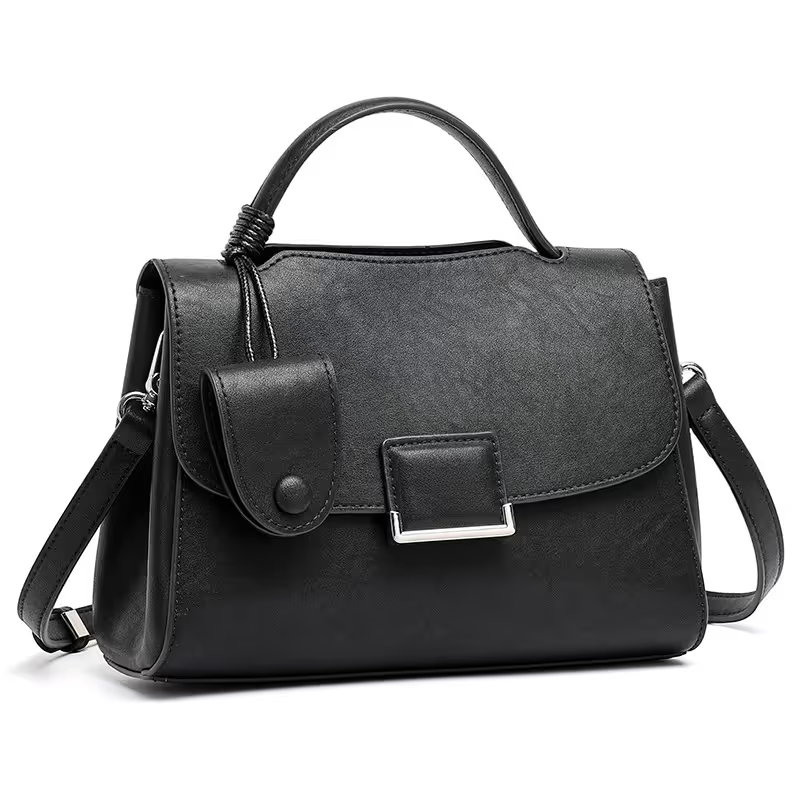
For an apple leather handbag or purse, balance the surface grain and hand feel with the desired shape. Bucket and shoulder bags also need a suitable lining and opening structure.

CROSSBODY
Plan an apple leather crossbody bag around strap adjustment, closures and daily access. Review strap connections and material behaviour at folded edges.
BACKPACK & MESSENGER
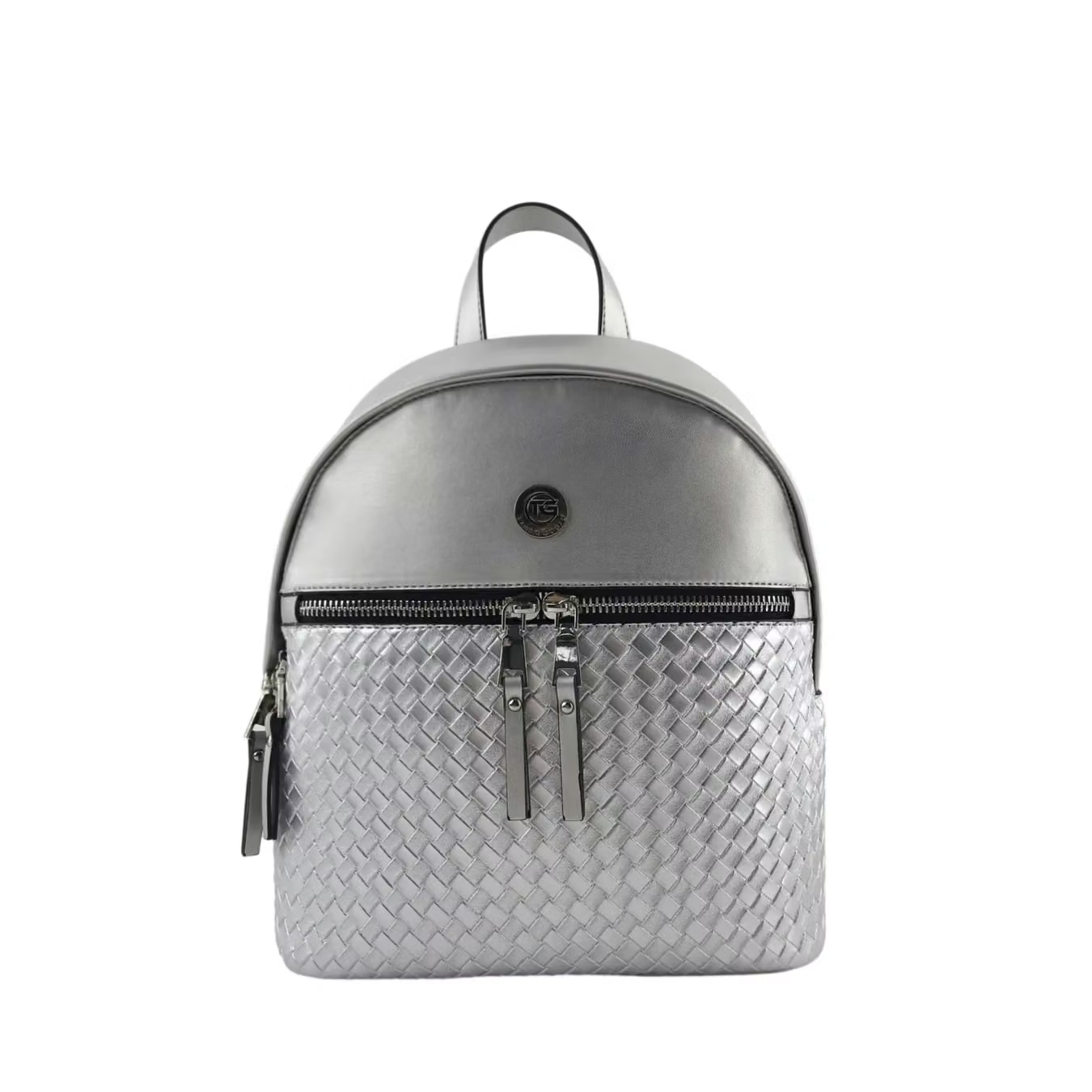
An apple leather backpack or messenger bag needs reinforced stress points, suitable shoulder straps and an interior matched to what it will carry.

POUCH & ACCESSORY
An apple leather pouch, wristlet or coordinated accessory can extend a collection. Confirm zipper operation, compact folds and edge finishing on the approved sample.

WALLET & SMALL GOODS
For a wallet made from apple leather, review card-pocket thickness, fold behaviour and closure clearance. Vegan material goals should cover the complete small-goods specification.
For apple leather handbags positioned in a premium collection, define the look through the silhouette, lining, hardware and workmanship. The material name alone does not establish a luxury grade. We assess apple leather goods and accessories against the approved product brief.
03 / SELECT THE RIGHT GRADE
Compare the shortlisted apple leather material with your bag construction. Apple leather fabric that looks right in a small swatch may behave differently at a seam, fold or handle attachment.
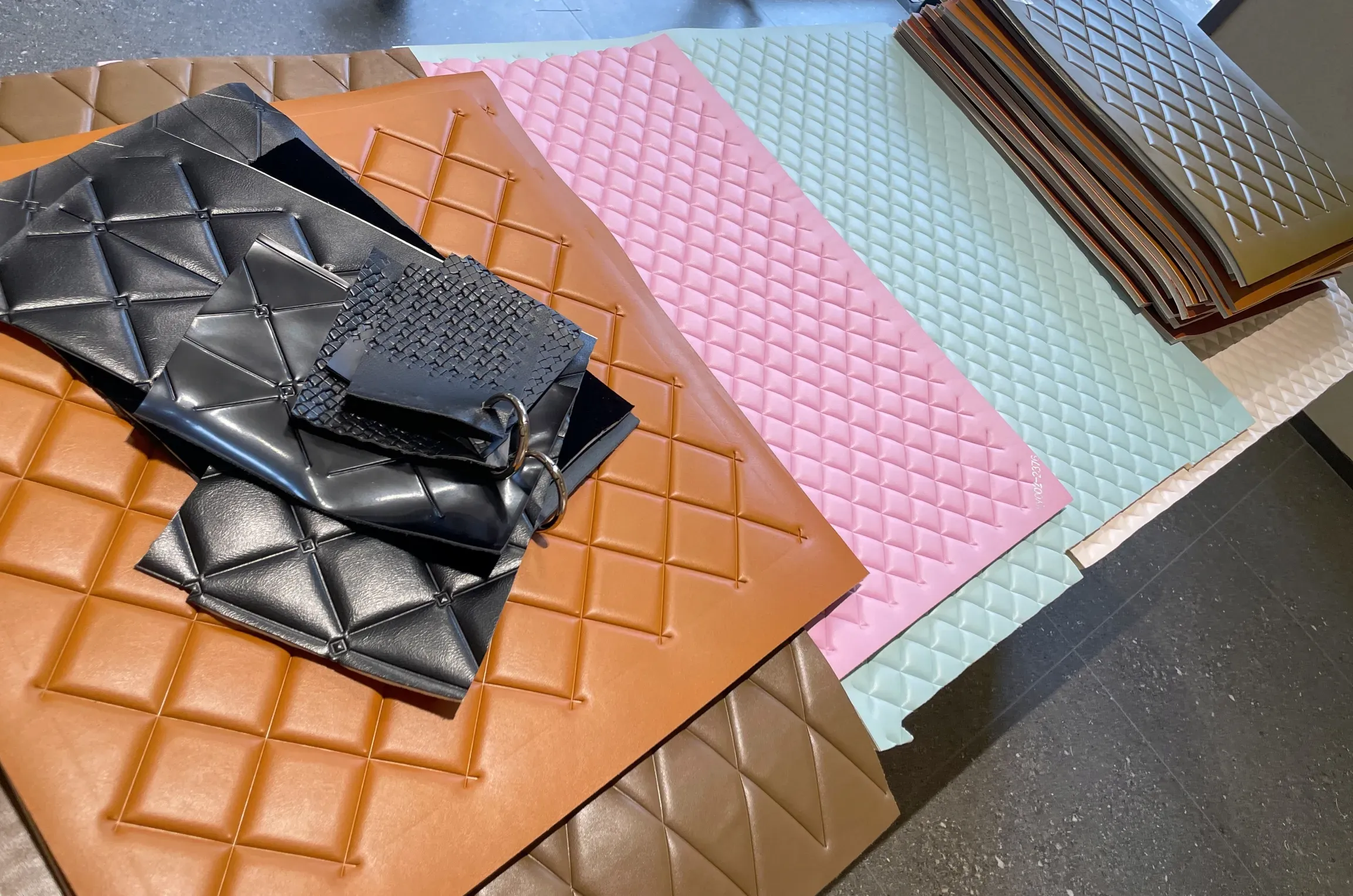
Review swatches for colour, grain, hand feel and backing. Then review a physical bag sample for proportion, support, folding, stitching and function. Keep the material reference connected to the approved product specification.
Whether you are developing a vegan apple skin leather bag or a mixed-material collection, identify which components use the selected material. A label such as “leather made from apples” should be supported by the supplier’s actual composition details.
| Review item | Information to confirm | Why it matters for your bag |
|---|---|---|
| Supplier & grade | Material reference, complete composition and backing | Connect samples, documentation and the bulk order to the same material. |
| Thickness & support | Selected thickness, flexibility and reinforcement needs | Check seam bulk, folded edges, flap movement and the intended silhouette. |
| Surface & hand feel | Smooth or textured finish, grain and surface behaviour | Match the collection’s appearance and handling requirements. |
| Colour & supply | Available colours, custom-colour minimums and material lead time | Confirm feasibility before the sample and delivery schedule are fixed. |
| Usable width & cutting | Usable area, cutting direction and expected yield | Evaluate material consumption and the cost of the bag design. |
Use these apple leather bag material specifications as the basis for a supplier review. Send an existing material reference if your team has already shortlisted one, or discuss apple leather swatches for bag development with us.
04 / DEFINE YOUR CUSTOM DETAILS
Build the specification around your brand and target market. Confirm the material, colour and construction together before approving custom details.

For apple leather bags with a custom logo, trial the chosen process on the selected grade. Laser-printed or other specialist finishes need their own material and process review.
Record the approved material, colour, hardware, lining and edge finishing in the sample specification. This gives the production team a clear reference for your collection.
| Area | Options to discuss | Sample approval focus |
|---|---|---|
| Bag construction | Dimensions, pockets, dividers, handles and straps | Proportion, access, comfort and reinforcement. |
| Colour & texture | Available finishes, colour matching and an approved physical reference | Shade, grain, hand feel and consistency across components. |
| Logo & branding | Embossed or debossed marks, foil stamping, printing and metal logos | Legibility, adhesion, finish and material response to the process. |
| Hardware & lining | Zippers, buckles, magnetic closures and interior fabrics | Operation, attachment, interior use and the complete material brief. |
| Edge & packaging | Folded or finished edges, product protection and branded packing | Appearance, rubbing points, shape protection and packing approval. |
05 / CHECK PERFORMANCE IN CONTEXT
Is apple leather durable? The answer depends on the selected grade, the way it is constructed into a bag and the conditions of use. Assess the material and the finished product against your own application.
| Level | Review focus | Evidence or approval point |
|---|---|---|
| Material surface | Abrasion, colour transfer and coating adhesion | Check the selected grade’s reports or agree the required evaluation and conditions. |
| Material movement | Flex behaviour, tear resistance and repeated folding | Review the material at high-movement areas and against the intended construction. |
| Moisture exposure | Surface water resistance and care limitations | Confirm the supplier’s guidance. Review seams, zippers and openings separately for the bag. |
| Finished bag | Stitching, strap attachments, folding, closures and hardware | Compare a physical sample with the agreed design and performance requirements. |
| Bulk consistency | Material reference, appearance, workmanship and packing | Check against the approved sample and confirmed specifications. |
A material name cannot provide a reliable service-life figure. Grade, load, construction, storage, climate and care all affect the result. For your collection, agree the intended use, review the available technical evidence and confirm the appropriate sample checks.
Water resistant describes a specific material or product performance under defined conditions. It does not, by itself, establish that a finished bag is waterproof. Use care guidance from the selected material supplier when preparing your product instructions.
06 / COMPARE YOUR MATERIAL OPTIONS
Choose around the product brief: appearance, structure, sourcing evidence, cost and the claims your brand intends to make. Compare the actual shortlisted materials rather than assigning every material family a fixed performance score.
| Review point | Apple-based material | Real leather | Recycled leather |
|---|---|---|---|
| Composition | Confirm apple-derived content, polymers, coating and backing. | Confirm hide type, grade, finish and any supporting layers. | Confirm the recovered inputs, binder, backing and complete composition. |
| Hand feel & structure | Review the selected surface and support against the bag design. | Review the selected hide and finish against the bag design. | Review the selected composite grade against the bag design. |
| Quality evidence | Use grade-specific data and a finished sample. | Use grade-specific data and a finished sample. | Use grade-specific data and a finished sample. |
| Brand requirements | Verify biobased content and the scope of any vegan claim. | Confirm the animal-origin material and your labelling requirements. | Check the material’s animal-origin and recycled-content information. |
| Order feasibility | Confirm material minimums, colour choices, availability and cost. | Confirm material minimums, shade selection, availability and cost. | Confirm material minimums, finish choices, availability and cost. |
In an apple leather vs recycled leather comparison, recycled content and plant-derived content are different questions. Vegan, recycled, recyclable, plastic-free and biodegradable also describe different attributes. Review each claim against the specific material and the complete product.
Our broader vegan leather bag options and handbag material options can be considered during the same selection discussion. This apple-based route stays focused on the grade and construction that suit your bag.
07 / BUILD AN EXECUTABLE ORDER
A clear sequence keeps material choices, sample approval and bulk production connected. Share the clearest reference you have so we can identify the next development step.
01
Bag type, reference images, quantity, target market, cost direction and timing.
02
Selected grade, colour, hardware, lining and construction requirements.
03
Review shape, dimensions, function, finish and documented revisions.
04
Recheck bulk materials against approvals, then coordinate production and QC.
05
Confirm product protection, labels and cartons; retain agreed references for repeat orders.
ORDER QUANTITY
Our general custom-bag starting point is 500 pieces per style and colour. The selected apple-based grade, custom colour or hardware can introduce a separate material minimum. Confirm both before placing an order.
DEVELOPMENT SCHEDULE
Typical bag sampling is 7–14 days after the key details and materials are confirmed. Material sourcing, development complexity and revisions can change the schedule. Bulk timing is confirmed for your project.
QUOTATION BASIS
Apple leather price at material level is one part of the finished-bag cost. Grade, usable width, cutting yield, bag size, lining, hardware, quantity and packaging all affect the quotation.
For wholesale apple leather bags or bulk apple leather handbags, our discussion centres on an order produced to your approved specification. OEM production can begin from your design; ODM development can begin from a suitable factory concept. We confirm the material route and development scope for either approach.
Before bulk production, agree the sample checking points, sealed material references, product protection and packaging. Sampling and prototyping approvals should stay connected to the production record and repeat-order review.
08 / SUPPORT YOUR MATERIAL STORY
Prepare the evidence alongside the product specification. The selected grade and the scope of each document matter more than a general material name or a certificate logo.
01 / SPECIFICATION
Keep the supplier, grade reference, technical data sheet and complete composition together. Confirm the textile backing and finishing coating as well as the apple-derived component.
02 / CLAIM SCOPE
Distinguish apple-derived content from total biobased content. Check the measurement basis and whether a claim covers one material, a component or the whole bag.
03 / DOCUMENT REVIEW
For a requested certification or test, review the holder, product or grade scope, dates and supporting documents. Factory management or social-compliance records serve a different purpose from material verification.
Apple-based does not automatically mean plastic-free or biodegradable. Ask for evidence applicable to the exact grade before including either statement in your product communication. A branded material request is reviewed for sourcing and project suitability before it becomes part of the approved specification.
Tell us which documents your buying team needs for the destination market and intended product claims. We can then review those requirements with the material and development brief.

09 / YOUR PROJECT CONTACT
I’m Tanya Tan, Handbag Product Manager at Veggance. I help turn your reference images, material direction and quantity into a clear development brief for our team.
For an apple-based handbag project, I coordinate the material and colour review alongside bag dimensions, lining, hardware and branding. I help keep these choices connected, so the sample can be assessed as a complete product.
During sampling, I follow up on your comments, revisions and approvals. Once the specification is agreed, I coordinate communication around materials, production progress and quality requirements. Send me what you have, whether it is a tech pack, a sketch, a sample or a clear reference photo.
Meet Tanya and discuss the material, design and order details for your next collection.
10 / RESOLVE THE NEXT DECISION
Use these questions to make the material and order brief easier to approve.
Share the supplier, exact grade, technical information and sample or swatch. We will review sourcing arrangements, delivery availability and suitability for the bag construction before confirming the development route.
Material minimums and finished-bag minimums are separate. We can review available colours, the order specification and the sourcing arrangement with you. Any change in quantity, material or colour needs confirmation before an order is accepted.
A claim for the complete bag needs to consider the complete bill of materials. Review the lining, trims, adhesives and other components alongside the outer material, and agree the evidence needed for your product communication.
A change can affect hand feel, construction, cost, test requirements and timing. We review the scope, update the specification and confirm any revised sample or approval steps before production proceeds.
Keep the approved sample, material grade, colour reference, hardware and packing specification connected to the order record. Before a repeat order, check current material availability and compare the new batch with the approved references. Review any supplier or grade change before accepting it.
11 / SHARE YOUR BRIEF
Tell us what you want to develop. We will review the material direction and manufacturing requirements, then confirm the appropriate next step for sampling and quotation.
You can start the conversation before every detail is final. As your apple leather bag manufacturing partner, we connect the material review with the finished product, rather than asking you to resolve every development question first.
 Optimized by Seraphinite Accelerator