...
Veggance handbag manufacturer

OEM · ODM · Private Label / China

Custom Recycled Leather Bags Manufacturer

Develop recycled leather handbags, tote bags, purses and small leather goods around your brand, target cost and approved material specification.

Veggance helps brands, importers, retailers and wholesalers connect material sourcing, sample development and bulk production. Start with your design, quantity and recycled-content requirements; we will review the material route and bag construction together.

  • Custom bag development
  • Material sourcing & sampling
  • OEM / ODM & private label
Recycled leather material sheets for reviewing surface texture and bag development options

Begin with the material. Confirm its composition, backing and suitability before approving a bag sample.

01 / Understand the material

What Is Recycled Leather? Fibres & Composition

Recycled leather is a market term used for several recovery routes. Many materials sold under this name use recovered leather fibres, while others reuse leather pieces with more of the original structure intact. The material name alone does not tell you its full composition.

Leather offcuts, leather scraps and tannery waste can be collected and processed into a new material. In a common mechanical recycling route, fibres are combined with a binder, such as polyurethane or latex, and formed into sheets or rolls. Other technologies build a leather fibre web around a textile core; selected systems use hydroentanglement.

For bag development, review the actual surface coating, recycled leather fiber layer, binder and backing material. A synthetic backing or coating changes the overall composition, even when the leather layer is made from reclaimed fibres.

Explore our handbag materials guide for related sourcing directions.

Placeholder for a verified recycled leather material cross-section showing the actual fibre layer, coating and backing

Review the front, reverse and cut edge of the selected material. Layer arrangements vary by grade.

Recycled Leather Fibre

Check recycled leather content and how the percentage is calculated. Textile Exchange distinguishes recycled leather that retains its fibre structure from leather that is ground and reformed into recycled leather fibre material.

Bonded & Reconstituted Leather

Bonded leather, reconstituted leather and regenerated leather are related commercial terms often used for reformed leather-fibre materials. Confirm the process and composition rather than treating each name as a fixed quality grade.

Feedstock & Backing

Pre-consumer or post-industrial leather waste describes the input source. The finished material may also contain polyester, recycled polyester or other textile backing. Verify each component and its supporting records.

02 / From material to collection

Custom Recycled Leather Handbags, Tote Bags & Small Leather Goods

Explore bags made from recycled leather for your next private label program. These are development directions: the selected material, structure and approved sample determine which recycled leather goods are suitable for production.

Taupe structured tote bag with double handles and round charm

Recycled Leather Tote Bags

Develop a tote, shopper or coordinated range of recycled leather totes. Confirm handle attachment, base support, lining and the intended carrying load.

Explore custom tote bags

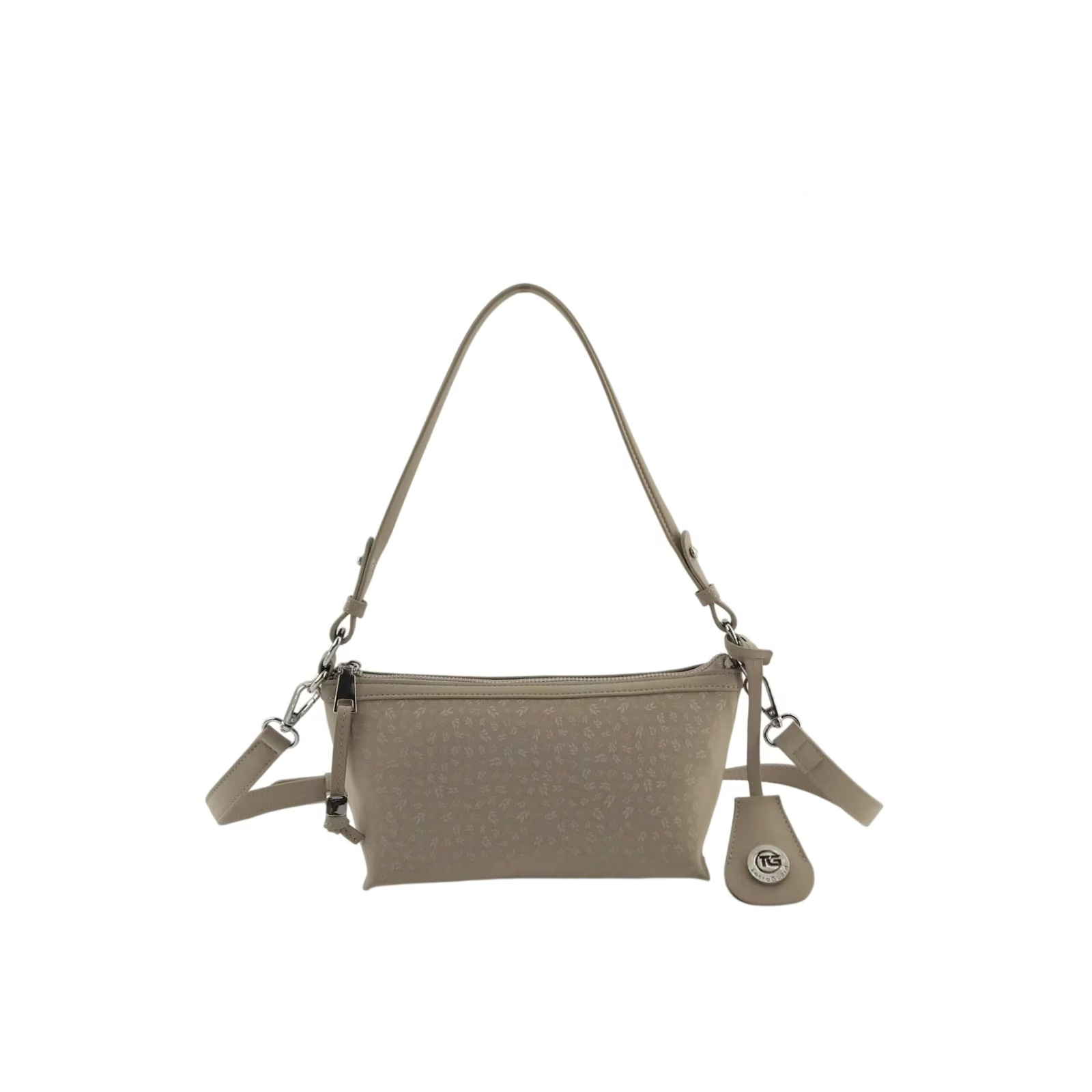
Taupe shoulder bag with an adjustable strap and round charm

Shoulder & Crossbody Bags

Plan recycled leather shoulder bags, mini shoulder bags and crossbody bags for women’s, men’s or unisex collections. Adjust the strap drop, closure and interior layout.

Explore shoulder bag development

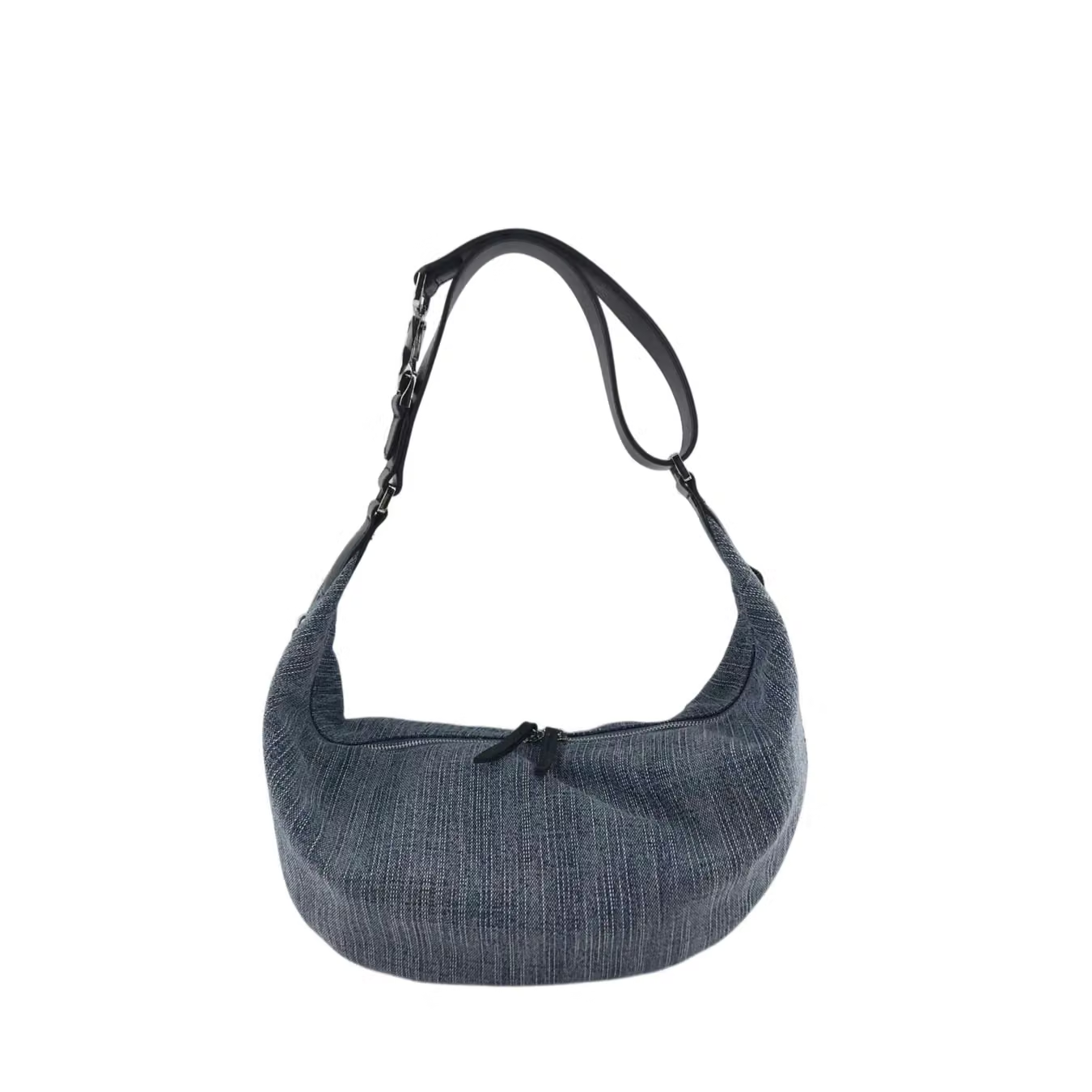
Dark blue crescent hobo bag with an adjustable black strap

Bowler & Crescent Bags

Review a recycled leather bowler bag, small bowler shoulder bag, or small and medium crescent silhouettes. Develop your own proportions, panel construction and brand details.

Review related crossbody styles

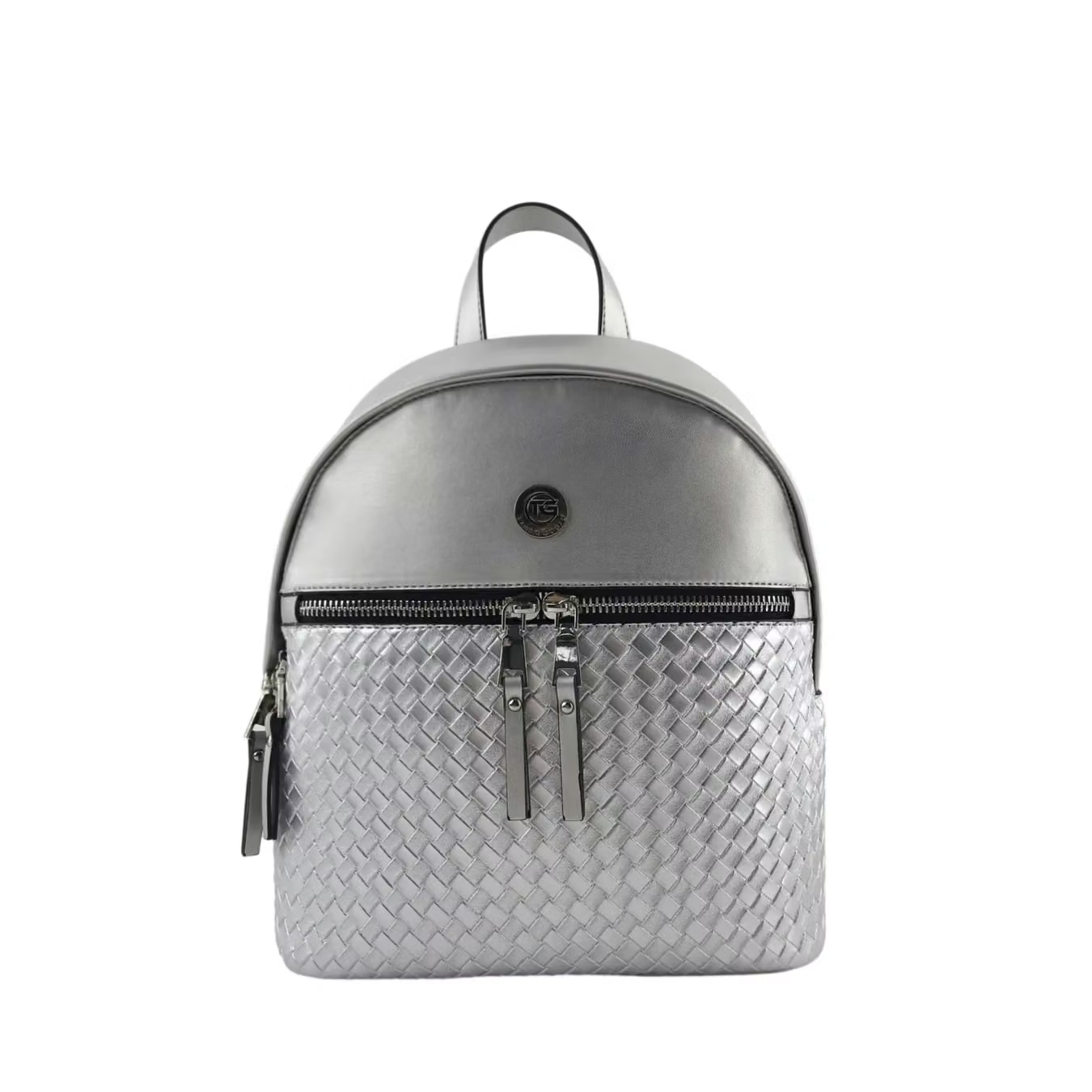
Gray woven backpack with a curved top and front zip pockets

Backpacks & Rucksacks

Recycled leather backpacks and rucksacks need a review of shoulder-strap anchors, back panels, lining and reinforcement. Match the material grade to the planned use.

Explore custom backpacks

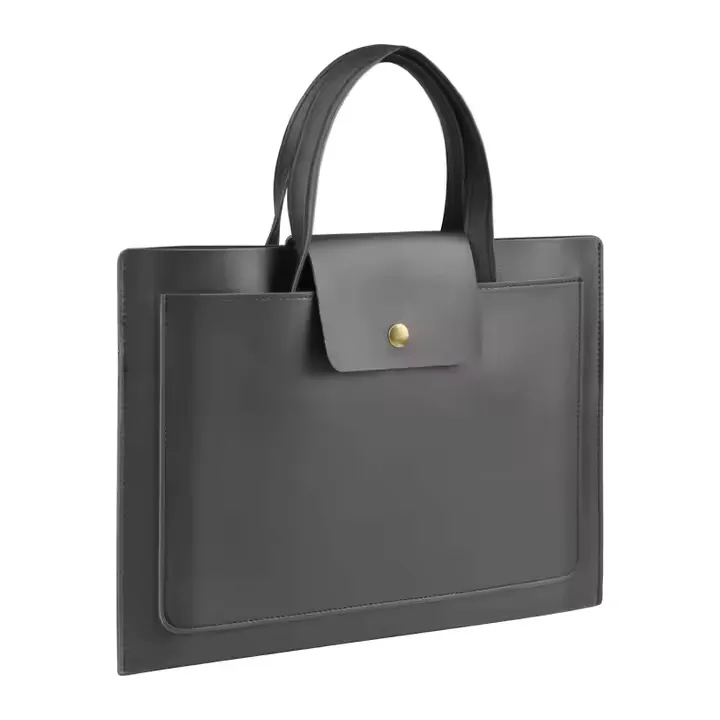
Black work tote bag with a front pocket and two handles

Laptop & Business Bags

Develop recycled leather laptop bags, briefcases, messenger bags and satchels with suitable padding, compartment layouts and load-bearing reinforcement.

Explore custom laptop bags

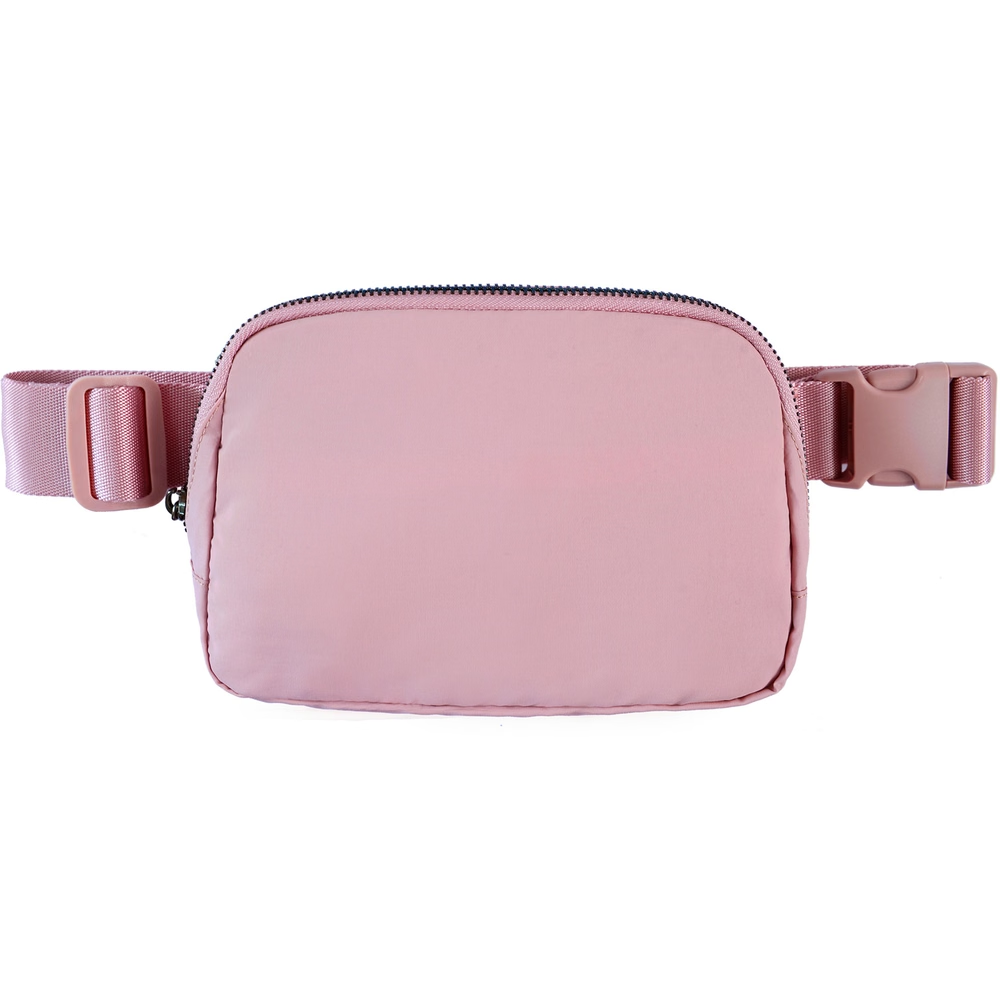
Pink rectangular belt bag with a front zip closure and matching adjustable belt

Fanny Packs & Belt Bags

Build a recycled leather fanny pack with an adjustable strap, suitable buckle and practical opening. Review the curve of the body panels and seam bulk during sampling.

Explore custom belt bags

Light-colored zippered pouches with silver Veggance logos

Wallets, Card Holders & Coin Purses

Create recycled leather bifold wallets, men’s and women’s wallets, card holders and coin purses. Confirm fold thickness, card-slot fit and edge finishing on the sample.

Explore wallets and wristlets

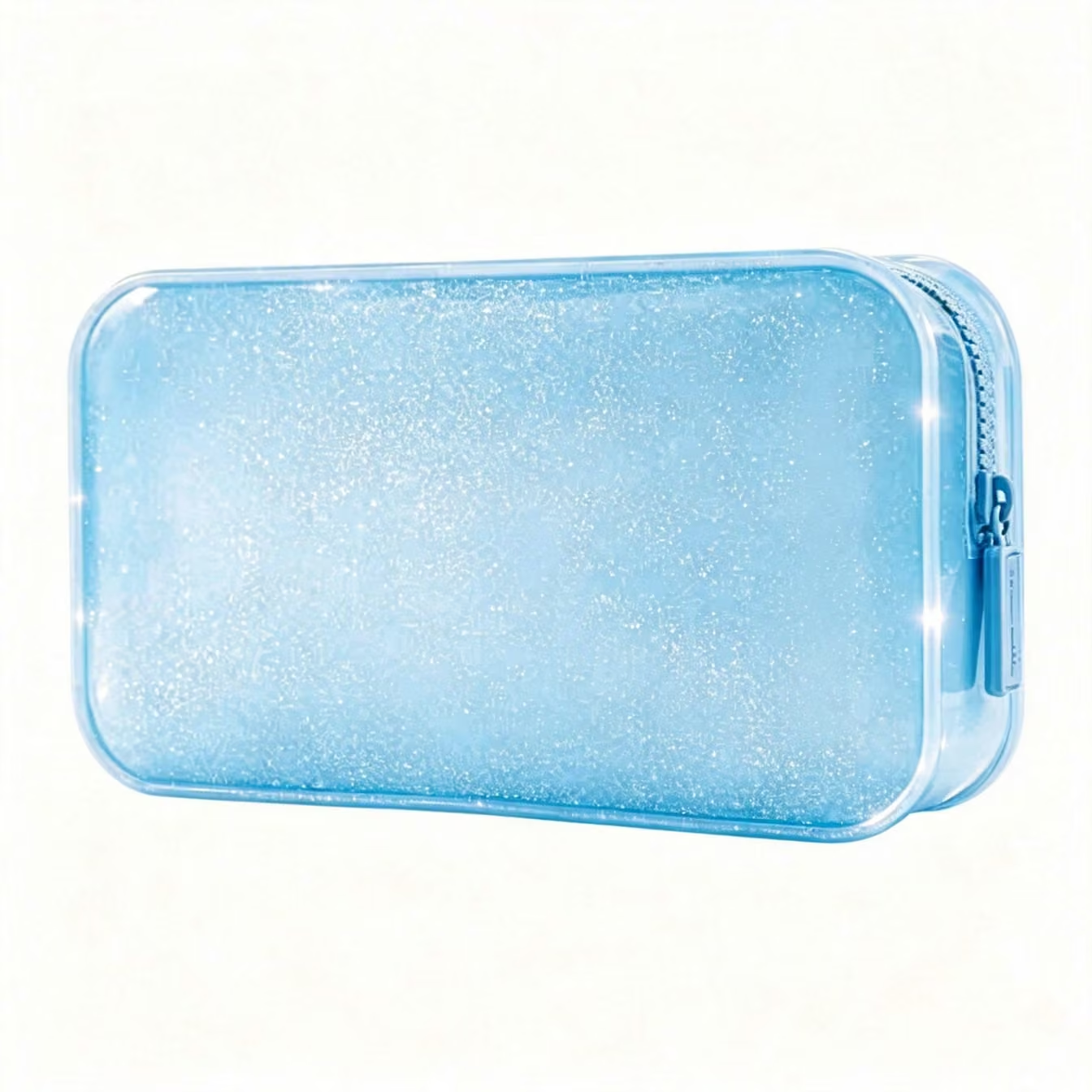
Light-blue rectangular zippered organizer pouch

Pouches & Pencil Cases

Recycled leather pouches and pencil cases can complement a handbag collection. Coordinate the zip opening, lining, dimensions, branding and protective packing.

Explore small leather pouches

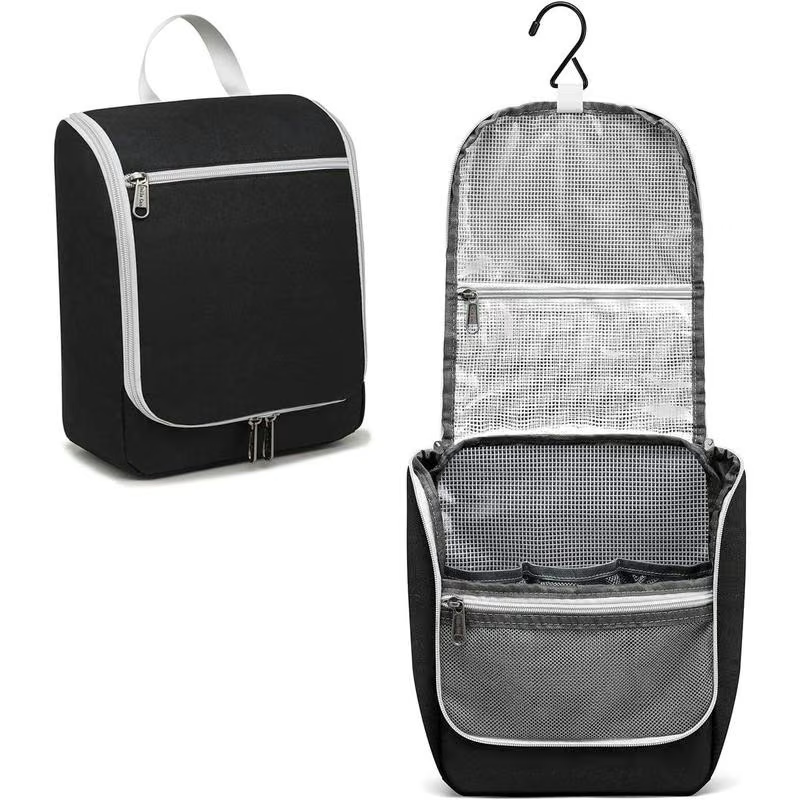
Black hanging toiletry bag shown open with interior storage compartments

Travel Wallets & Passport Holders

Coordinate recycled leather travel wallets, passport holders and luggage tags. Check document fit, card access, tag attachment and the visibility of identification details.

Explore card holders and cases

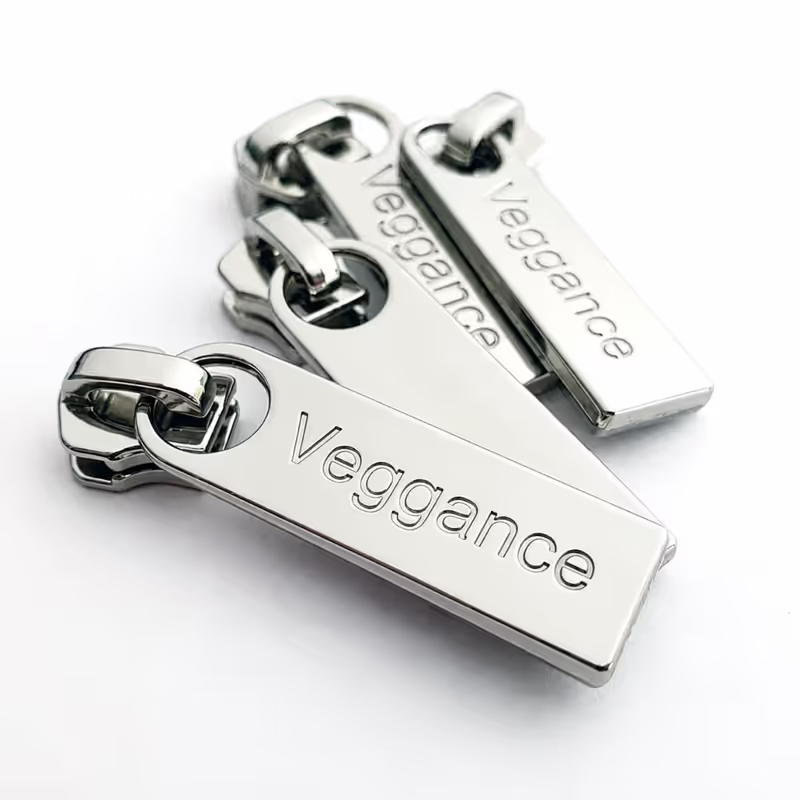
Veggance metal logo tags with attachment rings and hooks

Straps, Keychains & Bag Accents

Consider recycled leather bag straps, keychains, handle wraps, logo patches or selected panel accents. Review reinforcement and edge behavior for each application.

Explore custom bag straps

Combine recycled leather handbags and purses with matching accessories, or use the material on selected components. Ask us to review your reference before choosing a full bag body, strap or high-flex application.

03 / Compare the right specifications

Recycled Leather vs Bonded Leather, Genuine Leather & Recycled PU

Compare the input, material structure and application. Neither the recycled percentage nor the marketing name establishes durability, vegan suitability or a finished bag's environmental impact.

Material direction What to distinguish What buyers should confirm
Recycled vs bonded leather Market names can overlap. Bonded and reconstituted materials generally use recovered leather fibres formed into a new sheet. Fibre content, binder, backing, manufacturing route and the supplier's exact material description.
Recycled vs real / top-grain leather Reformed leather-fibre materials differ from a tanned hide with its original fibrous structure largely intact. Expected feel, folding, edge treatment, strength and correct composition labeling. Review genuine leather options.
Recycled leather vs faux leather / recycled PU Recovered animal leather fibres differ from synthetic leather alternatives that contain recycled inputs. Which layer is recycled and whether any animal-derived material is present. PU leather guide · Recycled PU options.
Reclaimed, upcycled & deadstock leather Recovered pieces, existing garments and unused stock can be reused without the same fibre-reforming process. Origin, available panel sizes, shade consistency and repeat-order supply. Upcycled leather bags and deadstock programs require a separate sourcing review.
Recycled vs plant-based alternatives Apple- or cactus-based materials use a different input route and may also include polymers and backing. Compare actual grades and evidence, rather than assuming one route is always more sustainable. Apple-based options · Cactus-based options.

Is recycled leather vegan? A material containing recovered animal leather fibres is not vegan. A PU finish does not change that. For an animal-free brief, explore our vegan leather bag development options and verify all agreed components.

04 / Define the material brief

Recycled Leather Material Specifications for Bag Manufacturing

Turn a recycled leather fabric request into a clear material specification. We review the material together with the bag pattern, reinforcement and intended use.

Specification Details to approve Why it matters
Composition & recycled content Leather fibre percentage, binder, coating, backing and the calculation basis. A recycled leather fibre layer percentage is not automatically the percentage of the entire material or finished bag.
Source & material identity Pre-consumer / post-industrial feedstock, supplier records and origin where available. Confirm recycled bovine leather only when the animal source is documented. Reclaimed does not by itself specify the process.
Thickness, weight & support Material thickness, consistency, flexibility, backing, stiffness and reinforcement. These affect seam bulk, shape retention, cutting and handling.
Grain, finish & hand feel Pebbled, smooth or other available grain texture; color, gloss and surface coating. Approve the physical swatch under agreed viewing conditions before sampling.
Special surface directions Recycled suede leather or other requested textures, subject to verified sourcing. Distinguish recovered natural suede from synthetic suede. Compare suede and faux suede.
Performance & documentation Required flexing, abrasion, tear, coating adhesion and color-transfer checks; applicable material records. Select test requirements for the material grade, bag design and destination market.
Placeholder for approved recycled leather color and grain swatches

Color matching, grain texture and coating should be approved on real material.

Placeholder for recycled leather backing thickness and cut-edge inspection

Compare thickness, backing construction and the proposed material specification.

05 / Develop your brand details

OEM & Private Label Recycled Leather Bag Customization

Develop custom recycled leather bags with your own dimensions, branding and interior. OEM production follows your approved design; ODM and private label development begin with an agreed concept and specification.

Shape, Size & Interior

Confirm the bag silhouette, strap drop, opening, card slots, interior zip pocket, lining and internal compartments. Coordinate a handbag with wallets, pouches and travel accessories.

Explore handbag development

Custom Logo & Surface Details

Review embossing, debossing, printing, labels and metal logos on the selected material. Perforation and other surface treatments require a sample check for appearance and strength.

Review logo customization

For branded recycled leather bags with a custom logo, share artwork, placement and size requirements. Color matching can be discussed using your physical reference or PMS color reference; final approval should use the selected material.

06 / Approve before production

Recycled Leather Bag Sampling, Durability & Quality Checks

Is recycled leather durable enough for your design? Evaluate the selected grade, its coating and backing, and the finished bag construction. A recycled claim alone cannot answer that question.

Placeholder for inspecting a recycled leather bag sample handle anchors seams and edge finishing

Review the Places That Flex & Carry Weight

Confirm dimensions, card and document fit, closures, seam allowance, handle reinforcement and shoulder-strap attachment. Review fold lines, edge finishing and the material's response to stitching.

Depending on the project, the quality plan may include abrasion resistance, repeated flexing, tear strength, coating adhesion and colorfastness or color-transfer checks. Define test methods and acceptance criteria before approval.

Peeling, cracking or layer separation can relate to coating quality, bonding, flexing, heat, humidity and use. We do not apply one lifespan or “never peel” claim to every recycled leather material.

Sampling and prototyping · Quality control

Sample Approval

Record material approval, sample revisions, measurements, logo details and hardware. Retain an approved sample and specification for bulk production.

Bulk Material Review

Check incoming material against the approved reference, including color, thickness, surface appearance and backing. Confirm any substitution before production.

Protection & Repeat Orders

Agree protective packing and handling guidance. Keep material and component records to support bulk consistency and future reorders.

07 / Verify the recycled claim

Recycled Leather Content, GRS Documentation & Traceability

For a GRS-certified recycled leather request, confirm the selected material, supplier, supply-chain coverage and order-specific paperwork. A factory certificate or a material name alone does not establish certification for every finished bag.

  • Identify which components contain recycled material.
  • Confirm the declared percentage and whether it describes a layer, material or finished product.
  • Review material composition and available sourcing or traceability records.
  • Confirm whether a Transaction Certificate (TC) can be arranged for the selected material and order program.
  • Agree any required customer labeling and supporting documentation before approval.

Veggance can discuss relevant factory documents and project requirements. Visit our certifications page and specify which records your purchasing team needs.

Placeholder for applicable recycled-content material records and project-specific certification documents

Documentation is reviewed against the selected material and agreed order requirements.

Is recycled leather sustainable? Describe the actual recycled inputs and evidence. Recycled content does not automatically mean that a bag is recyclable, biodegradable, plastic-free or lower impact in every category. See our material and sustainability approach.

Textile Exchange is an industry reference for terminology and recycled-content programs. RCS also appears in industry guidance; it is mentioned here for context and is not presented as a Veggance certification or a document commitment.

08 / Build a clear purchasing plan

Wholesale Recycled Leather Bags: MOQ, Pricing & Bulk Production

Source custom recycled leather handbags and coordinated goods through one development brief. For wholesale and bulk orders, material availability and approved specifications come before a production commitment.

Planning item Reference & confirmation
MOQ Our usual starting reference is 500 pieces per style and color. The chosen recycled leather grade, color and supplier minimum may change the project MOQ; confirm with the quotation.
Sample development Typical factory reference: 7–14 days after requirements and materials are confirmed. Special sourcing, tooling or revisions can require additional time.
Bulk production Typical factory reference: 30–45 days after approval and order confirmation, subject to material readiness and the agreed production plan.
Recycled leather bag pricing Composition, material thickness, cutting yield, bag structure, colors, logo process, hardware, packing and order quantity affect the quotation.
  1. Share Your Brief

    Send reference images or a tech pack, bag dimensions, quantity, target market, budget and required delivery timing.

  2. Select Materials & Details

    Review material composition, colors, finish, lining, branding, hardware and the required recycled-content documentation.

  3. Develop & Revise the Sample

    Confirm the pattern, structure and component choices. Record sample comments and revisions before final approval.

  4. Approve Cost & Production Plan

    Confirm the quotation, order minimums, specifications, approved sample and production schedule.

  5. Review Bulk Production

    Follow incoming material checks, assembly, agreed quality requirements, packing and shipment preparation.

  6. Keep a Reorder Reference

    Retain approved material and component details. Recheck availability and any changes before repeat production.

For a recycled leather tote bag project, a private label handbag range, or custom recycled leather wallets and card holders, start with the same approved material and component checklist. Explore our OEM / ODM manufacturing services and manufacturing process.

Tanya Tan, handbag product manager at Veggance

09 / Your project contact

Work with Tanya on Your Recycled Leather Bag Project

Tanya Tan · Handbag Product Manager

Hi, I’m Tanya. I help coordinate your handbag project with our development and production team, starting with your reference images, brand direction, target cost and estimated quantity.

For a recycled leather bag brief, I help organize the material composition, surface texture, colors, dimensions, lining and hardware requirements before sampling. If you need recycled-content records or specific tests, I will work with the relevant team to check what applies to the selected material and order.

I follow up on material samples, sample revisions and approval details, then keep communication moving around the approved specification, production progress and quality requirements.

“Send me your design and the details your purchasing team needs to confirm. I’ll help turn them into a clear brief for material review, sampling and quotation.”

Learn more about Tanya

10 / Questions before purchasing

Recycled Leather Bags FAQ

What is recycled leather made of?

Many commercially described recycled leather materials use recovered leather fibres with a binder, coating and sometimes textile backing. Other recovery routes reuse leather pieces. Confirm the complete composition and manufacturing route of the selected grade.

Is recycled leather the same as bonded or regenerated leather?

The names can overlap in commercial use, but they do not describe every process or performance grade precisely. Bonded, reconstituted and regenerated leather commonly refer to reformed fibre materials. Ask for the composition, backing and process rather than relying on the name.

Is recycled leather real leather?

It may contain fibres recovered from real animal leather, but a reformed composite is structurally different from an intact hide. Specify the leather-fibre and non-leather components, and use accurate descriptions for the finished product.

Is recycled leather vegan?

No, if it contains recovered animal leather fibres. A synthetic coating does not make the material animal-free. For vegan requirements, review the full bill of materials, including adhesives, trims and other components.

How durable are recycled leather bags, and can they peel?

Durability depends on the material grade, coating, backing, construction and use. Some coated materials can peel or delaminate under unsuitable conditions. Set relevant abrasion, flexing and adhesion requirements; do not assume a fixed lifespan from the recycled percentage.

What is the difference between recycled, reclaimed, upcycled and deadstock leather?

Reclaimed identifies recovered input; upcycling can mean making a new product from existing pieces or garments; deadstock refers to unused stock. Recycling may include fibre-level reprocessing. The terms can overlap, so confirm the exact source and process. One-off garment remaking is a separate service and is not assumed in a bulk bag quotation.

Can recycled leather be used for handles, straps and load-bearing panels?

Possibly, depending on the material and design. Review tensile and tear behavior, attachment points, backing and reinforcement on a sample. A material suitable for a decorative panel is not automatically suitable for a narrow carrying strap.

What should buyers confirm about recycled bovine or suede leather?

For bovine leather, verify the animal source and recovered input where documentation is available. For recycled suede leather, establish whether the material uses recovered natural suede or is a synthetic suede alternative; then review the surface, backing and care requirements.

How should recycled leather bags be cleaned?

Follow the care instructions for the approved material. Some coated grades permit gentle wiping, but cleaners, solvents and leather conditioners may damage certain finishes. Test the proposed method on a sample or concealed area before use.

Is recycled leather sustainable, recyclable or biodegradable?

A recycled input can help use recovered material, but it does not prove every environmental claim. Coatings, binders, backing and the final bag construction affect end-of-life options. Support specific claims with evidence for the actual material and product.

Can you provide GRS-related documents or a Transaction Certificate?

We can review your requirements with the selected material and order program. Applicable certification coverage and whether a TC can be arranged must be confirmed before an order commitment. Do not assume one certificate covers every material, component or bag style.

What affects recycled leather bag MOQ, sample development and bulk pricing?

Material and color minimums, design complexity, hardware, custom branding, packing and quantity all matter. Our usual reference is 500 pieces per style and color, with the final MOQ, sample timing and bulk schedule confirmed in the quotation.

Further material reading & market examples

Textile Exchange provides terminology and recycled-content guidance. Gen Phoenix and ELeather® illustrate particular commercial material technologies. BAGGU, Soruka and Remade USA show different market uses of recycled, reclaimed or upcycled leather. These are external references, not Veggance partnerships, approved suppliers or claims that we use their materials.

Textile Exchange material guide · Gen Phoenix technology · BAGGU material applications · Soruka recovered-material bags · Remade USA upcycling examples

11 / Bring your collection brief

Start Your Custom Recycled Leather Bag Project

Looking for a recycled leather bag manufacturer in China for OEM, ODM, private label or bulk production? Share your design direction and the material evidence your team needs.

We will review the bag structure, sourcing requirements and next steps for sample development and a project-specific quotation.

Seraphinite AcceleratorOptimized by Seraphinite Accelerator
Turns on site high speed to be attractive for people and search engines.