
Oxford Cloth Tote Bags
Develop reusable shopping totes, work totes and branded carry bags. Confirm handle drop, gusset, zipper opening, base support and inside pockets for your wholesale range.


Build your next bag collection with Oxford fabric selected for the design, function and target cost. Veggance develops custom Oxford cloth bags for brands, importers, wholesalers and retail buyers.
Choose polyester Oxford, nylon Oxford or recycled polyester options. From Oxford cloth tote bags and shoulder bags to backpacks, garment duffels and tool organizers, we help turn your reference into an approved sample and a defined bulk order.
*After key details are confirmed. Timing depends on materials and design complexity.

Explore bag materials and our OEM / ODM manufacturing service.
Oxford fabric and Oxford cloth are common names used in bag sourcing. The name alone does not define the fiber, weight, coating or performance of the finished bag.
Polyester and nylon describe fiber content. Either can be used in an Oxford fabric construction. To select Oxford fabric for bags, compare physical swatches and a complete specification rather than relying on the material name.
As an Oxford fabric bag supplier, we review these choices against your product brief. Compare alternative fabrics in our materials guide.
Develop custom polyester Oxford bags for your brand, wholesale range or retail collection. We review the fabric together with the bag shape, lining, coating and target cost before sample development.
Polyester Oxford can be assessed for totes, backpacks, travel bags, garment duffels, makeup bags and tool organizers. The specification should match what the bag carries and how it will be used.
PVC-coated and PU-coated polyester Oxford options can be reviewed against the design. Confirm the actual material and sample before making water-protection or durability claims.
Explore polyester bag materials, compare nylon Oxford bags, or view the available bag types.
Recycled polyester Oxford is another material route within your polyester bag project. Confirm the required recycled content, composition, color and coating before selecting the fabric.
We review material availability and minimum quantities with the sample brief. Relevant traceability and Transaction Certificate (TC) arrangements can be discussed based on the selected material and order requirements.
See recycled polyester options and the factory and material document information.
Develop nylon Oxford bags with the appearance, carrying details and internal organization your collection needs. We assess the actual nylon Oxford fabric in the proposed bag rather than selecting by material name alone.
Nylon Oxford fabric can be reviewed for shoulder bags, crossbody bags, backpacks, laptop bags, travel pouches and hanging tool organizers. Confirm hand feel, finished weight and the support needed for each design.
For nylon Oxford anti-theft bags, define concealed openings, body-side pockets and closures separately. Water resistance, tear resistance and any protective materials need their own requirements and verification.
Explore nylon bag material options, compare polyester Oxford bags, or review anti-theft bag structures.
Polyester Oxford and nylon Oxford should be compared using their complete specifications. Record fiber content, fabric weight, backing, hand feel, color and logo compatibility, then evaluate the loaded bag sample against the same brief.
These denier options can be reviewed during material selection. Available fiber, weave, weight, coating and sample quantities are confirmed for your project.
| Option | Review with your design |
|---|---|
| 210D Oxford bags | Shell or lining use, hand feel, coating and support |
| 420D Oxford bags | Bag shape, lining, weight and flexibility |
| 600D Oxford bags | Tote, backpack, travel and organizer construction |
| 900D Oxford bags | Tactical waist packs, tool organizers and reinforcement |
| 1680D Oxford bags | Structured panels, base material and durability requirements |
Denier is one part of the specification. It describes yarn linear density. It does not independently establish GSM, abrasion resistance or finished-bag load capacity. Confirm the complete material and construction, then evaluate the sample.
Choose a starting bag type or send your own reference. Our Oxford fabric bag factory supports original product development and private label collections for brands, distributors and wholesale buyers.
Develop reusable shopping totes, work totes and branded carry bags. Confirm handle drop, gusset, zipper opening, base support and inside pockets for your wholesale range.

Plan compact or large-capacity shoulder bags with adjustable straps and organized interiors. Convertible carry arrangements and monogram details can be reviewed during sampling.
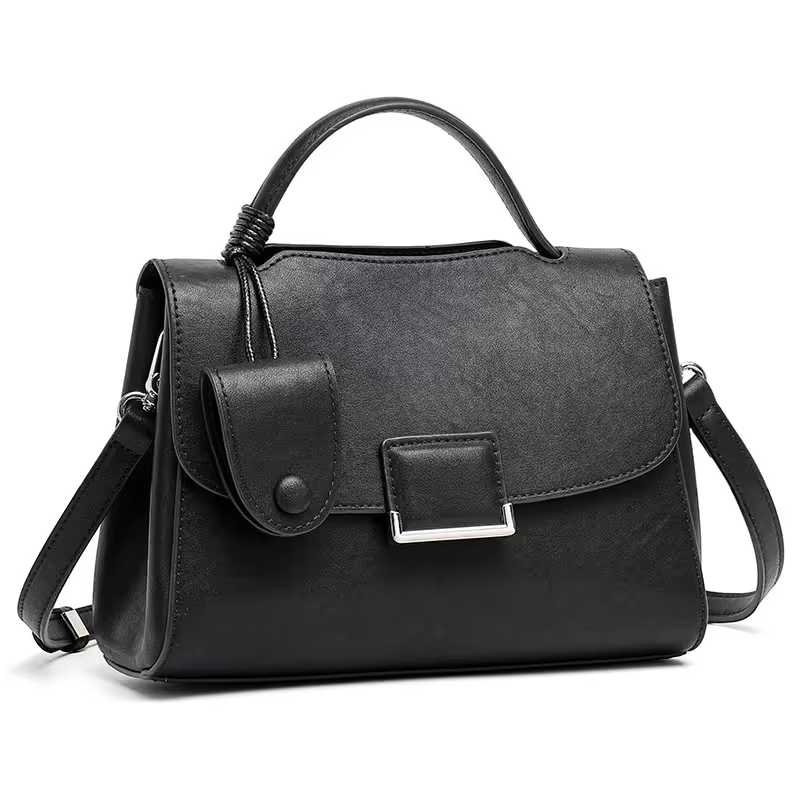
Choose a flap or zipper opening, document storage and carry strap. Develop an Oxford fabric satchel or messenger bag around work, commuting or everyday use.

Confirm the contents, shoulder-strap layout, back panel and load points. Book bags and school backpacks need the right opening, lining and reinforcement for the intended items.

Specify actual device dimensions, padding, document pockets and handles. Oxford cloth computer bags and business briefcases can be developed to match your retail collection.
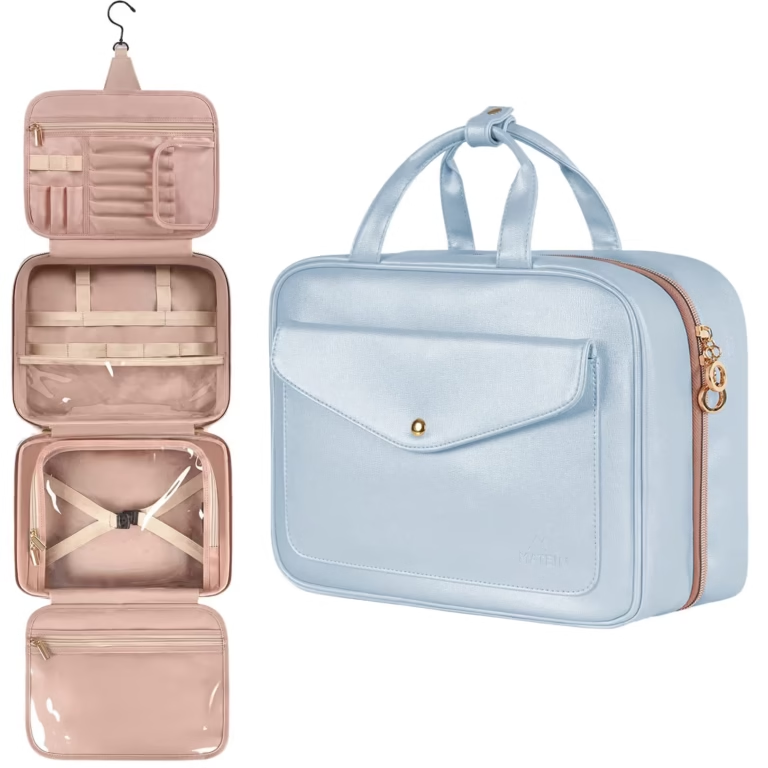
Develop large Oxford fabric makeup bags, soft cosmetic cases and hanging toiletry organizers. Define brush sections, bottle storage, lining and cleaning requirements.
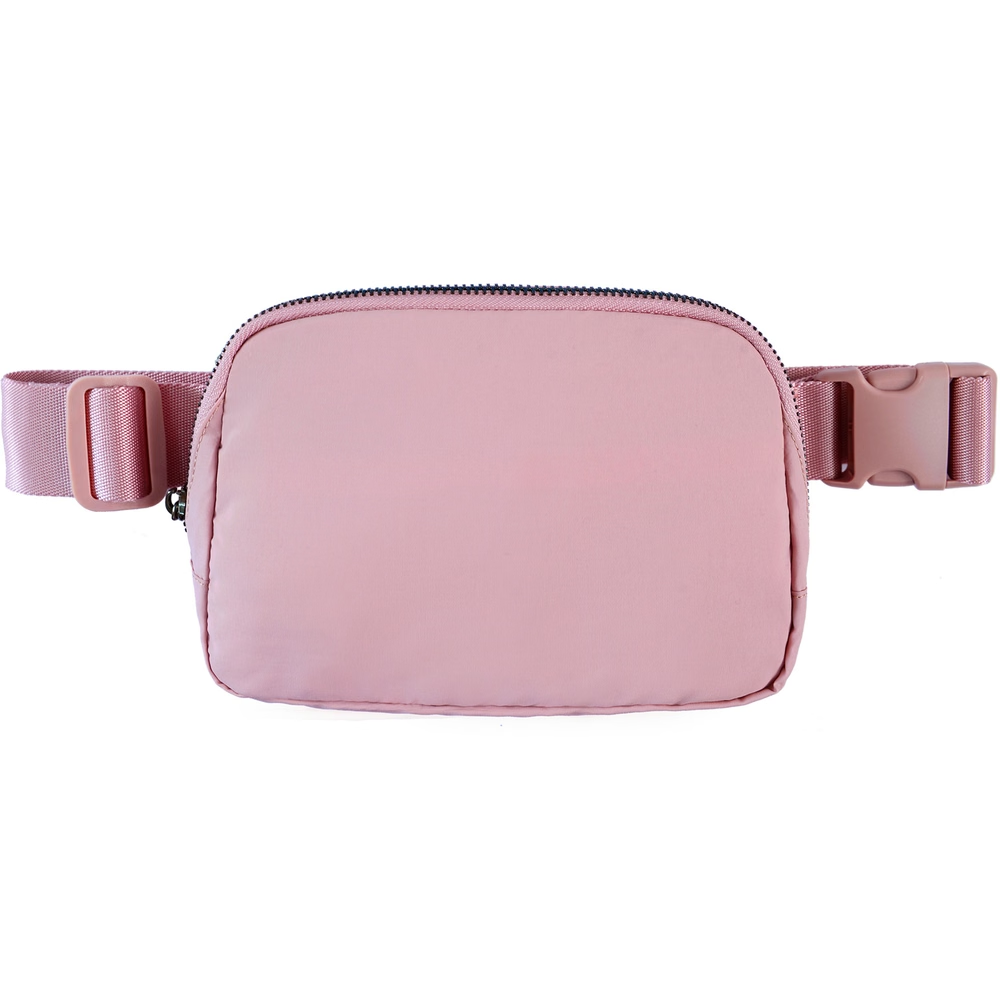
Review waist packs, bum bags, chest bags and sling designs. Confirm access, strap adjustment, pocket placement and the load carried close to the body.

Develop an Oxford fabric diaper bag with a practical opening, easy-access pockets and a lining selected for its use. Confirm dimensions and accessory compartments during sampling.
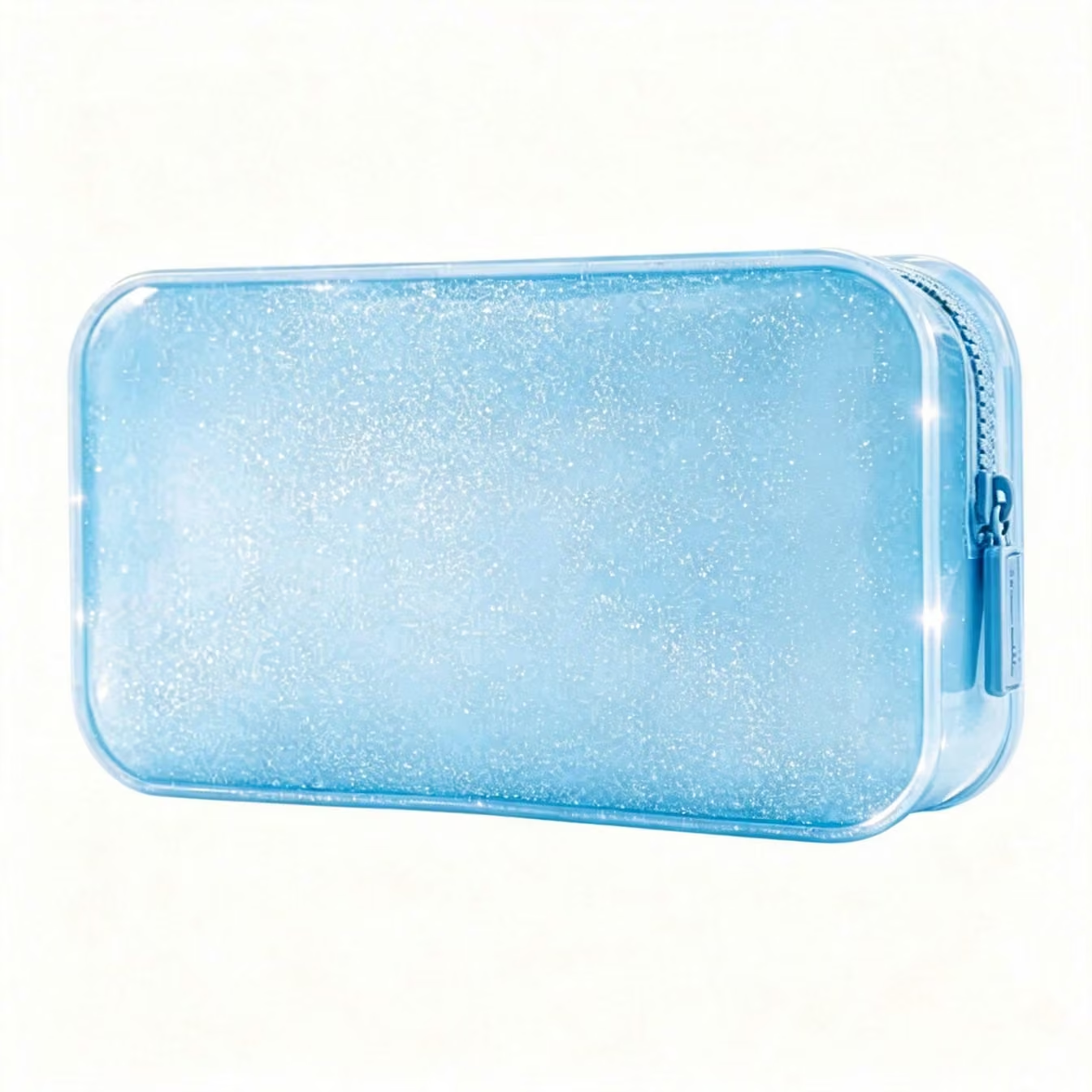
Create accessory pouches, zipper pen bags and compact organizers. Match colors, labels and pullers across a tote, backpack or travel set.
Explore shoulder bags, messenger bags and toiletry bags for related development details.
Develop Oxford cloth travel bags around what the user needs to pack and carry. Capacity, garment protection, folding and reinforcement are decided together with the selected fabric.

Review Oxford fabric garment bags, suit covers and garment duffle designs. Confirm the unfolded garment area, hanging arrangement, zipper path, fold lines and shoe or accessory compartments.

Define both the open dimensions and packed size. Check whether the bag folds into its own pocket or a separate pouch, then review the lining, hardware and base materials for folding.

Develop large-capacity duffel or duffle bags for short trips and fitness collections. Confirm handles, detachable straps, access and the need for separate shoe or laundry storage.
| Detail | Approval point |
|---|---|
| Capacity and dimensions | Check actual packing with the intended contents; confirm external and usable internal space |
| Garment protection | Review the unfolded layout, folds, attachment and closure |
| Packability | Check packed size, repeated folding and how the pouch or pocket closes |
| Shape and padding | Discuss an EVA core or support panels where needed; check the effect on folding and finished weight |
| Travel shoe bags | Confirm shoe size, opening, lining and whether the shoe bag is separate or part of a set |
See custom duffle bag development. Airline size requirements should be supplied for the specific market and design.
Start with a tool list or physical samples. We use the item dimensions, weight and access needs to define pockets, retention, lining and reinforced carry points for your custom Oxford cloth tool bag.
Plan individual tool slots, zipped pockets and a secure rolled closure. Check tool spacing, end protection and the roll size when fully loaded.
Develop a custom Oxford grill tool carry bag around utensil length, shape and quantity. Confirm sleeves, closures, carrying handles and protection from sharp edges. The bag is for storing cooled tools.
Review nylon Oxford hanging tool bags and storage organizers with hooks. Define the hanging method, loaded weight, pocket depth and reinforcement around mounting points.
For OEM and wholesale tool bag orders: send the tool list, item dimensions, intended load, logo, color and quantity. We confirm the bag materials and structure before preparing the sample and quotation.
Explore custom straps and hardware options for carrying and closure details.
Develop a tactical waist pack, hunting carry bag, haversack or outdoor organizer around the items it needs to hold. A 900D Oxford fabric option can be assessed together with the complete construction.
For a tactical backpack brief, confirm usable capacity, access and loading. Water protection, tear resistance and load requirements are reviewed against the selected material and agreed test conditions.
Compare belt bag structures and backpack development.
Water protection is a design requirement to specify. A coated fabric does not automatically make a complete bag waterproof.
Set the intended level of splash or rain exposure. We review the actual surface treatment or coating, then check openings and stitch lines in the proposed bag.
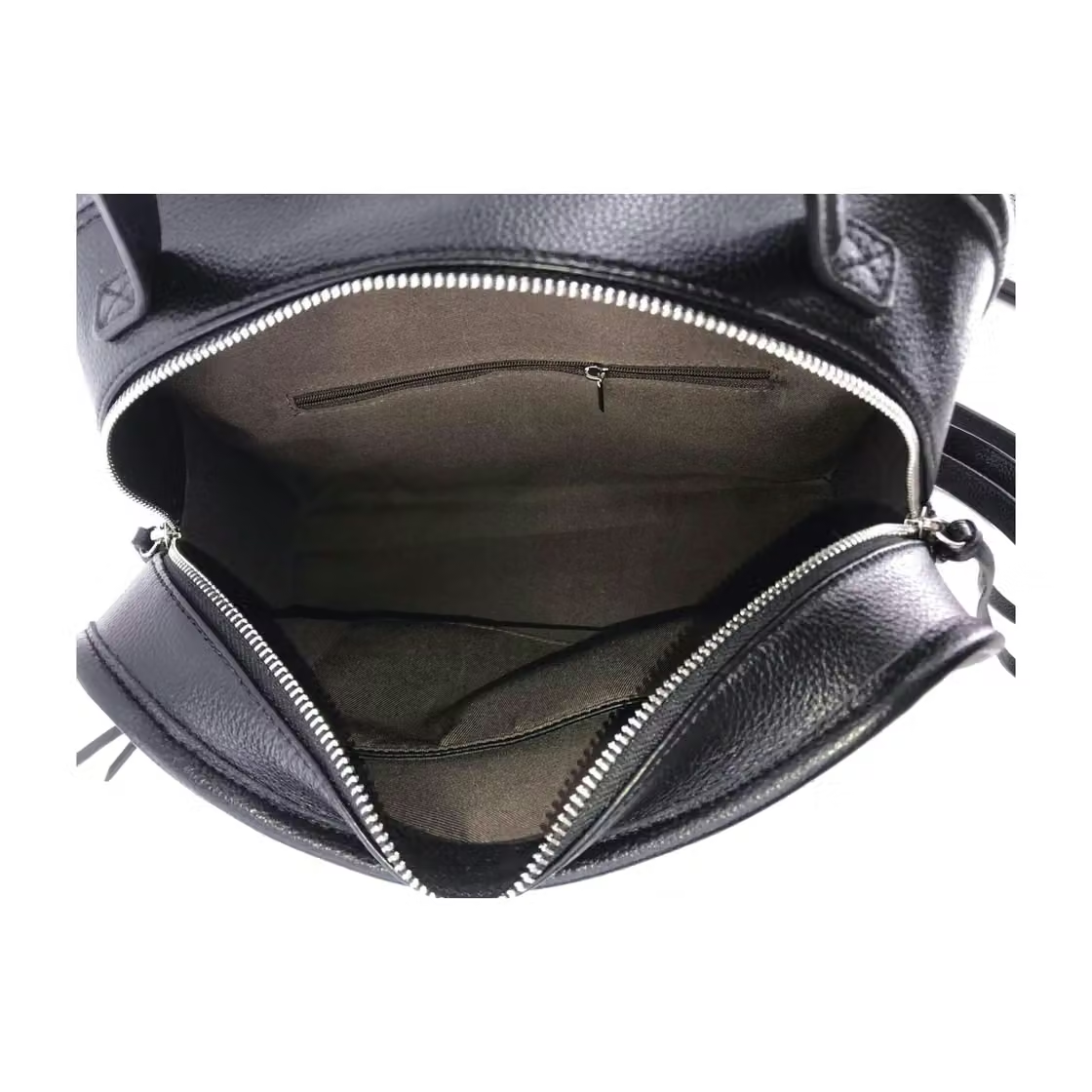
Define exposure, test conditions and acceptance criteria first. The fabric barrier, seams, zipper and closures must be specified together and verified on the finished product.
Consider PVC-coated Oxford fabric for travel bags where the chosen backing, hand feel and structure suit the brief. Confirm weight, fold behavior and sewing compatibility in the sample.
OEM / ODM water-resistant crossbody bags: the finish, opening location, lining and pocket construction can be reviewed together. PU-coated options can also be compared where suitable. Confirm the intended protection before sample approval.
See PVC materials and crossbody bag structures.

Heavy-duty Oxford bags need a clear loading brief. Tell us what the bag carries, its expected load, how often it will be used and how it will be lifted.
Review the base, handle attachments, strap anchors, pockets and zipper ends. We select the reinforcement arrangement with the proposed shell, lining, thread and components.
Abrasion-resistant and tear-resistant Oxford bag requirements should be linked to the selected material and agreed test method. Fabric tests and complete-bag loading checks answer different questions.
Agree the conditions, sampling and acceptance criteria with our quality control team before bulk production.
Develop nylon Oxford anti-theft bags with access and carry position in mind. Hidden openings and security pockets should remain practical when the user wears and loads the bag.
Cut-resistant panels and straps require their own specification and verification. Confirm these before sampling rather than inferring them from nylon Oxford fabric.
Explore crossbody bags, sling bags and RFID card holder options.
Work with an Oxford fabric bag manufacturer and supplier in China on a defined product specification. Our custom development covers bag dimensions, structure, materials, straps, hardware, branding and export packaging.
Send your drawings, tech pack or physical sample. We review dimensions, materials and construction before preparing the development and quotation plan.
Discuss a suitable starting design, then adapt proportions, pockets, fabric and brand details. Approve the resulting sample before committing to bulk production.
Review custom colors, screen printing, heat transfer, embroidery, woven labels, patches and logo hardware. Check appearance and adhesion or stitching on the actual fabric.
Specify quantity per style and color, packaging, carton marks and required delivery terms. We prepare the quote around a defined construction and component list.
Explore OEM / ODM manufacturing, logo customization, straps and hardware.
The sample is where material choices and construction meet. Typical development takes 7–14 days after the key details are confirmed, depending on materials and design complexity.
Share the bag type, reference, intended contents, quantity per color, target cost and timeline. We identify missing information needed for development.
Confirm the opening, usable interior, carry method, pockets and loading. For garment or packable bags, record both open and folded dimensions.
Select the fiber, denier, GSM, coating, lining, color and hardware. Check availability, minimums and branding compatibility.
Review appearance, measurements, actual packing, access and carrying. Check the logo, zipper and loaded attachments; record corrections.
Approve the final sample and written specification. Compare bulk fabrics, linings, trims and components with the approved references before cutting.
Keep the final measurements, material references, colors, component list and revisions. Confirm proposed substitutions before the repeat order proceeds.
For bulk Oxford fabric bags, inspection points follow the approved sample and purchase specification. We review the materials, in-process construction and finished products against the agreed requirements.
Agree any laboratory tests, inspection plan or buyer inspection requirements during quotation. Review our quality control process and manufacturing process.
Review factory qualification alongside the material and performance requirements of your Oxford bag program. Request the current documents relevant to your sourcing requirements.

Social-compliance assessment information for supplier review. Request the relevant audit details for your sourcing program.

Facility authorization information for applicable programs. Licensed artwork and production require the relevant buyer permissions.
Quality management system documentation for factory qualification and purchasing review.
Environmental management system documentation for supplier assessment.
Occupational health and safety management system documentation for factory review.
Confirm the selected recycled material, composition and traceability needs before purchase. Transaction Certificate (TC) arrangements can be reviewed based on the material chosen for your project. Agree document coverage and timing with the order.
See factory certifications and recycled polyester materials.
The names are often used for the same material category in bag sourcing. Neither name alone defines composition or performance. Confirm fiber content, denier, GSM, coating and the physical swatch.
It can be suitable for totes, backpacks, travel bags, cosmetic bags and organizers. Select the fabric around the intended contents, opening, carrying method and construction, then review the loaded sample.
Oxford describes a fabric construction or trade category; nylon is a fiber. A nylon Oxford bag combines both. Compare the actual fiber and full specification of each fabric, including polyester Oxford options where relevant.
We can review 210D, 420D, 600D, 900D and 1680D options against your design. Availability and sample options are confirmed per project. Denier alone does not determine GSM, tear strength or complete-bag capacity.
Yes. We review the tote dimensions, handles, gusset, pockets, opening and selected fabric with your logo requirements. Screen printing, heat transfer, embroidery, labels and selected hardware can be assessed on the actual material.
Yes, these can be reviewed as custom development projects. For garment bags, confirm unfolded dimensions, hanging and fold layout. For packable designs, approve the open and packed sizes, folding arrangement and sample performance.
Send the tool list, dimensions, intended weight, pocket layout, color, logo and quantity. Clarify edge protection, closure and carrying requirements. Materials and reinforcement are confirmed before the sample and quotation are finalized.
A coated fabric does not automatically make a complete bag waterproof. Confirm expected exposure and test requirements for the material barrier, seams, zipper and closures. Water-resistant projects should also define their intended protection.
PVC-coated Oxford options can be reviewed against the bag design. Confirm the coating, weight, hand feel, fold behavior and sewing compatibility. PU-coated materials can also be compared when appropriate.
Yes, we can assess these development briefs. Heavy-duty designs need a target load, reinforcement and test criteria. Anti-theft designs need defined openings, concealed pockets, closures and any special protective materials.
Recycled polyester Oxford options can be reviewed with the required composition, color, finish and order quantity. Confirm material availability and relevant traceability or transaction documents before placing the order.
It can be considered with a suitable lining, support and reinforcement. Check the actual contents, device dimensions, loaded strap attachments and usable internal space before approving the sample.
The standard MOQ is 500 pieces per style and color. Typical sample development is 7–14 days after key details are confirmed. Special materials, dyeing, coatings, hardware and packaging may have separate minimums or affect timing.
Approve the final sample, specification, material references, colors, dimensions, logo, hardware, packaging and inspection criteria. Keep revisions on record and confirm any proposed substitutions for a repeat order.
Visit our FAQ page for more sourcing information.
Send your reference and purchasing brief to Veggance. We will review the material, structure and quantity, then identify the details needed for sample development and an export quotation.
For an urgent project, contact us by WhatsApp or email with your quantity and required delivery date. You can also use our contact page.
 Optimized by Seraphinite Accelerator