Smooth & Soft Finishes
Explore soft microfiber leather for relaxed shapes or a cleaner surface for structured designs. Confirm drape and crease appearance in the assembled sample.


Develop microfiber leather bags around your brand’s design, target price and performance requirements. Veggance supports material selection, sampling, custom hardware and bulk production for brands, importers and wholesale buyers.
Choose your bag shape, surface texture, colors, lining and branded details. Our team turns the approved specification into a coordinated OEM, ODM or private label collection.

Good material selection connects the surface you see with the construction your bag needs.
Microfiber leather is a man-made leather alternative commonly built from a fine-fiber nonwoven base combined with polyurethane. It can be developed with a coated, leather-like surface or a suede-style finish. The exact composition and construction vary by material grade.
Microfiber PU leather describes a material structure within the wider PU leather category. When comparing materials, review the backing, thickness, finish and test results together. A similar-looking surface can behave differently during folding, stitching and everyday use.
For another material direction, explore our vegan leather bag options and compare them against the same design brief.
Select the visual direction, then review available microfiber leather grades against your construction and target cost.
Explore soft microfiber leather for relaxed shapes or a cleaner surface for structured designs. Confirm drape and crease appearance in the assembled sample.
Review grain scale, emboss depth, gloss and pattern direction. Check how the texture reads across seams, small panels and curved corners.
For a microfiber Nappa-style look, compare the selected material’s fine texture, softness and finish. Approve a physical swatch for the required feel.
Consider microfiber suede leather for a soft visual effect or selected interior parts. Review nap direction, rubbing behavior and care requirements.
Develop black microfiber leather bags or coordinated colorways. Confirm the shade against the lining, edge paint, thread and hardware finish.
Define premium microfiber leather through the approved texture, hand feel, processing quality and performance criteria for your collection.
For a microfiber vegan leather project, confirm the selected material’s composition and review linings, adhesives and trims. Recycled-content requirements can be discussed alongside recycled PU leather options, with availability and supporting documents checked for the actual project.
Set the requirement for each part of the bag. We review suitable materials and construction details before the sample is approved.
| Requirement | What to Confirm | Where It Matters |
|---|---|---|
| Durability | Material grade, coating behavior, intended use and agreed verification conditions. | Daily carry, travel collections and repeat-use products. |
| Abrasion resistance | Surface rubbing requirements and acceptable changes in appearance. | Bag bases, corners, strap contact points and raised edges. |
| Flexibility | How the material folds, stitches and bends with the lining and reinforcement. | Flaps, handles, straps, seams and folded construction. |
| Water resistance | The selected surface finish and the water-entry points in the complete design. | Outer panels, openings, zippers and stitched seams. |
| Colorfastness | Dry and wet rubbing requirements, color transfer and contact materials. | Dark bags worn against light clothing or light-colored linings. |
| Weight & feel | Material weight together with padding, lining, hardware and support layers. | Laptop, messenger, sling and diaper bag programs. |
Water-resistant microfiber leather is one part of the design. A waterproof finished bag requires the complete construction and intended exposure to be validated. Breathability, abrasion resistance and other performance claims are confirmed for the chosen material.
Explore these eight bag directions. Each style can be reviewed for a suitable microfiber leather specification, construction and branded finish.
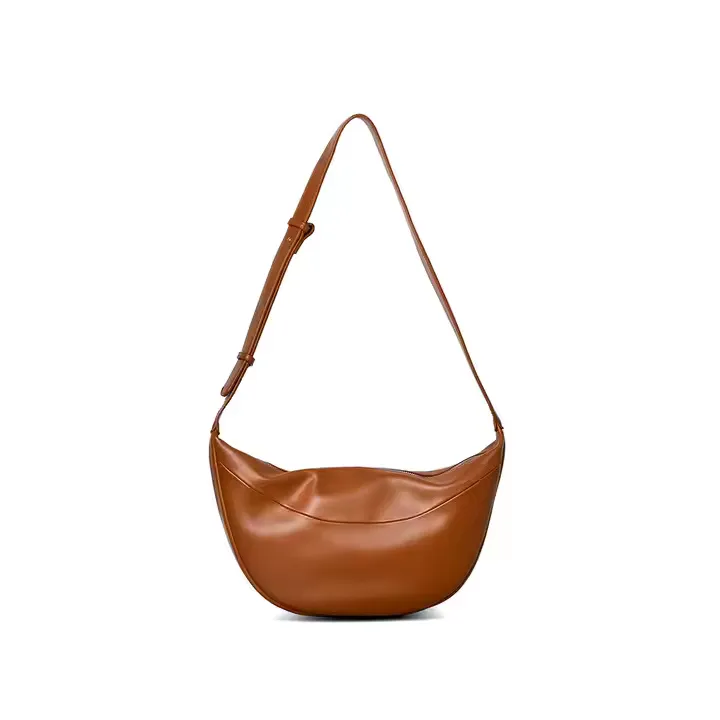
Develop compact shapes, adjustable straps, organized pockets and closures for everyday collections.
Explore crossbody styles
Plan padded sleeves, workday organization, reinforced handles and a professional outer finish.
Explore laptop styles
Refine the silhouette, handle attachment, edge finish and hardware for structured handbag ranges.
Explore top handle styles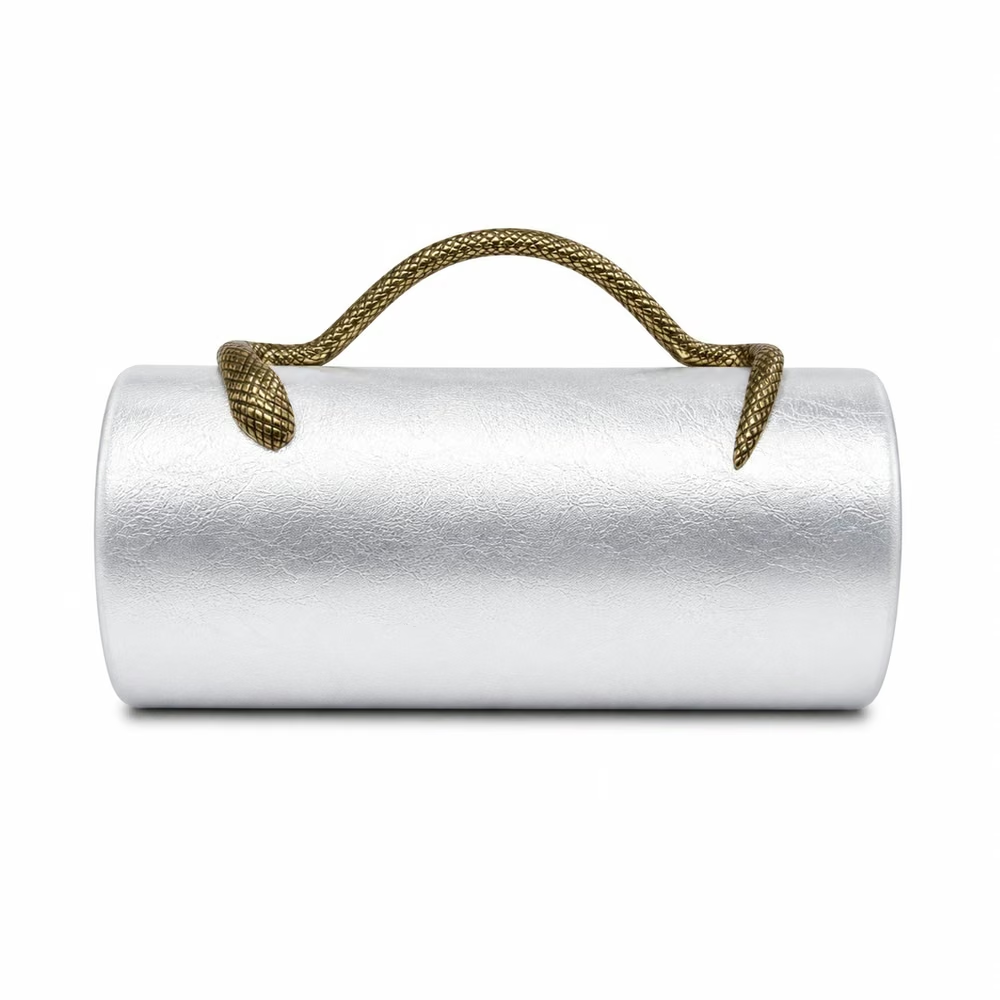
Develop compact proportions, signature textures, lining details and statement closures.
Explore clutch styles
Customize the body curve, waist or crossbody fit, strap adjustment and pocket access.
Explore belt bag styles
Develop flap construction, wide straps, internal organization and reinforcement for the intended load.
Explore messenger styles
Balance a compact profile with easy-access compartments, strap comfort and secure closures.
Explore sling styles
Plan practical pockets, coordinated accessories, carrying comfort and suitable exterior and lining materials.
Explore diaper bag stylesImages show bag style references. The microfiber material, color, finish and construction for your order are confirmed during development.
Build a recognizable collection through coordinated materials, construction and brand details. Our OEM, ODM and private label manufacturing services support different starting points.
Develop original dimensions, panel layouts, gussets, openings and pockets from your design brief.
Coordinate the microfiber leather texture with lining, edge paint, thread and reinforcement.
Review debossing, embossing, printing or metal logo plates on the actual material before approval.
Develop buckles, pullers, logo plates and connectors with our in-house hardware team.
Specify lining colors, pockets, labels, padded sections and the details your customer needs.
Plan hangtags, dust bags, protective packing and carton requirements around the approved order.
Our handbag development process connects the selected material with the shape, function and finish of your product.
Typical sampling takes 7–14 days after key details are confirmed. New materials, custom hardware or additional revisions can affect the schedule.
Approve the complete combination. Review the microfiber leather with its lining, reinforcement, edge treatment, thread and hardware in the assembled sample.
Confirm the bag category, dimensions, target customer, quantity, budget and launch timing.
Review swatches, texture, thickness, color and the proposed lining and hardware.
Prepare the pattern and review folds, seams, handle attachments and reinforcement.
Assess appearance, capacity, access, carrying comfort, logo detail and function.
Confirm the approved sample, material references, component details and accepted tolerances.
Keep the approved material and sample connected to production through clear checks at each stage.
Review the material reference, thickness, shade, texture, backing and visible surface condition before cutting.
Focus: approved swatches, batch consistency and component matching.
Check stitching, folds, corners, edge finishing, handle attachments and hardware assembly against the approved construction.
Focus: processing effects and high-stress areas.
Review dimensions, appearance, pocket and closure function, cleanliness, packing and order consistency.
Focus: the approved sample and agreed inspection criteria.
Required material and finished-product tests can be planned with defined methods and acceptance criteria. Share your inspection standard with our team during development.
Compare named material grades for the same bag design. Structure, hand feel, processing and testing give your team a useful basis for selection.
| Selection Point | Microfiber Leather | Other PU Leather Options | Genuine Leather |
|---|---|---|---|
| Material structure | Fine-fiber base, commonly combined with PU; confirm the specific construction. | Confirm the coating, backing and grade of the selected PU material. | Confirm the hide type, layer, tanning and finish. |
| Look & feel | Review the selected grain, suede-style surface, softness and firmness. | Review the chosen texture, gloss, hand feel and backing. | Review the finish, natural variation and approved appearance range. |
| Bag construction | Sample folds, edge treatments, seams and support layers. | Check the selected grade with the same processing details. | Confirm thickness, panel selection and the planned edge treatment. |
| Performance | Verify the required results for the selected material and finished bag. | Apply the same intended-use criteria to the proposed material. | Apply the same intended-use criteria to the proposed leather. |
| Cost planning | Review grade, finish, color quantity, material use and construction. | Compare available grades and the complete production specification. | Review leather selection, usable yield, finish and construction. |
Microfiber leather and PU leather can overlap in composition. Compare the actual specifications when reviewing PU leather, genuine leather and vegan leather bag materials for your collection.
Plan the finished bag order together with the material and component requirements.
Our standard MOQ for custom microfiber leather bags is 500 pcs per style and color. Color splits and first-order arrangements are reviewed against the actual material and production requirements.
Custom colors, textures or newly developed hardware can have separate supplier minimums. We review these details before the order specification is finalized.
Material grade and usage, bag dimensions, construction steps, lining, hardware, logo methods, packing and quantity all contribute to the finished bag price.
Help our team prepare a quotation around the product you intend to buy.
Material and production questions to resolve before approving your custom collection.
Microfiber leather is a man-made leather alternative. The selected grade’s composition sheet should identify its fiber base, resin and relevant layers. We confirm that material reference alongside the approved swatch so your team can describe the finished product accurately.
Start with the required shape and hand feel. We review the material’s thickness and flexibility together with its lining, padding and reinforcement. The assembled sample shows how that combination affects drape, corner definition, folds, opening and carrying comfort.
Confirm the material grade, coating construction, intended environment and processing method. For markets with heat, humidity or long storage periods, discuss relevant aging and hydrolysis verification. Test methods, conditions and acceptance criteria should be agreed for the selected material. Folded and high-stress areas also need review in the finished sample.
A selected microfiber leather surface may support a water-resistant design, but the finished bag also includes seams, openings and closures. Define the expected exposure first, then review the complete construction and required testing before using a waterproof claim.
Specify dry and wet rubbing requirements and the likely contact surfaces. Black or dark material should be assessed against the intended clothing, lining or adjacent light panels. Agree on the test method and acceptable result before bulk materials are approved.
Yes. We can review suitable microfiber vegan leather options for your project. A full vegan brief should also cover the lining, adhesives, finishes and trims. Explore our vegan leather bag development options, then confirm the required composition records or certification with the selected materials.
Share the required recycled content, certification and documentation at the start. Availability and scope are checked for the actual material and order. You can also compare recycled PU leather options. Vegan content, recycled content and biodegradability are separate requirements, each needing its own support.
Our standard MOQ is 500 pcs per style and color. Send the quantity planned for each color so we can review material availability, dyeing or coating minimums and production arrangements. Any alternative split is confirmed for the specific project before ordering.
The approval record connects the sample with the material reference, color swatch, components, measurements and construction details. Incoming material checks and production inspections use that standard. Agreed tolerances and any approved material changes should be recorded before production continues.
Send your drawings, reference images or sample, dimensions, quantity per color, material direction, lining, hardware, logo and packing requirements. Include the target price and timeline. Our team reviews unclear details with you before confirming the quotation basis.
Care instructions should match the selected finish and any lining or trims. We can request the material supplier’s guidance and review a proposed cleaning method on a sample before approving your care label. Suede-style, printed and coated surfaces may need different instructions.
Share your design, preferred texture, colors and estimated order quantity. Our team will review the material, construction, sampling and production requirements for your collection.
 Optimized by Seraphinite Accelerator