Logo Customization
Choose the application method, size and position. Embossing, debossing, foil stamping, metal logo plates and woven labels are reviewed on the actual material for the required effect.
Explore Logo Customization

Brand details. Collection consistency.
Bring your design, approved style or collection brief. Veggance helps your team coordinate materials, construction, logos, hardware, colors, lining and packaging around a clear set of requirements.
Our bag customization services connect the details your brand approves with the specifications needed for bulk and repeat orders.
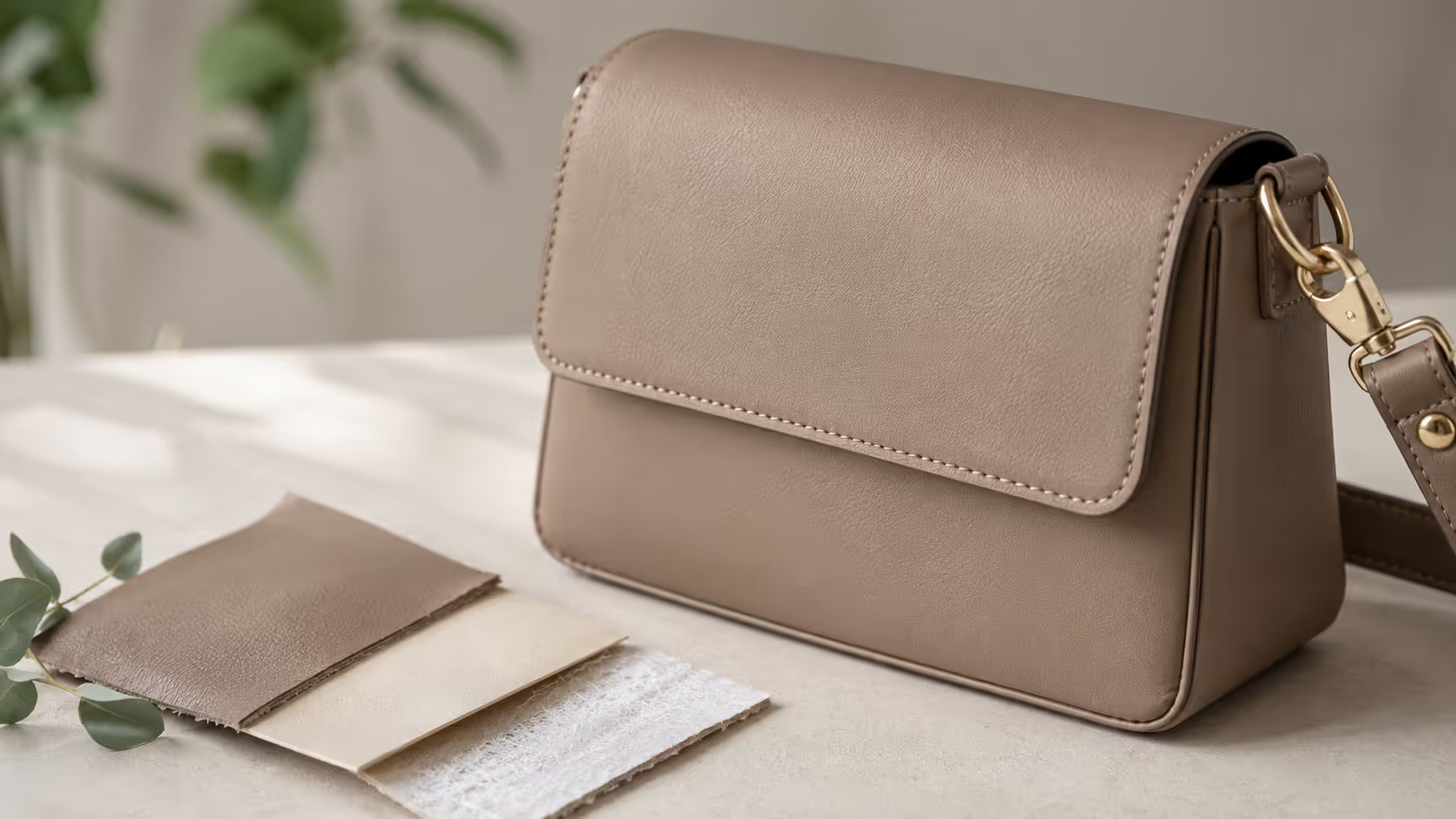

01 / Set the scope
Start by separating the details your team wants to keep from those that need to change. A revised logo, a new material and a different bag structure each require a different review.
We organize the brief around the bag body, carrying details, interior layout and brand identity, with a reference for each proposed change.
Identify the silhouette, functions and brand details that must remain.
Record the revised dimensions, materials, components or artwork.
List open choices, physical references and the approval needed.
| Component | Keep or change | What to specify | Approval reference |
|---|---|---|---|
| Bag body | Retain the design or revise its material and proportions. | Material specification, width, height, depth and reinforcement. | Technical drawing, material swatch and sample. |
| Handles & straps | Keep the carry system or adjust fit and attachment. | Handle drop, strap width, length, adjustment and connectors. | Dimensions and a functional sample check. |
| Interior | Retain the layout or change pockets and lining. | Compartments, opening access, lining and label positions. | Interior drawing, artwork and sample review. |
| Brand details | Apply the collection’s approved identity. | Logo method, size, placement, color and packaging version. | Brand guidelines, artwork and approved references. |
02 / Coordinate the details
Give every style a consistent brand direction. Review each option against the selected material, intended use and order requirements before it becomes part of the approved specification.
Choose the application method, size and position. Embossing, debossing, foil stamping, metal logo plates and woven labels are reviewed on the actual material for the required effect.
Explore Logo CustomizationCoordinate zipper pulls, buckles, D-rings and magnetic closures with the design. Confirm dimensions, attachment, shape and finish, including whether a dedicated component needs new tooling.
Explore Custom Bag HardwareSet a physical swatch or agreed color reference. Review the body, thread, edge paint, zipper tape, lining and hardware together, with material differences considered during approval.
Explore Color CustomizationSpecify lining material, color and branded prints alongside pockets and label positions. Repeat artwork, pattern direction and the interior layout should be reviewed as one set of details.
Explore Lining CustomizationPlan dust bags, hangtags, boxes, product protection and retail identification with the collection. Check how the selected presentation affects packing volume and delivery preparation.
Explore Custom Packaging
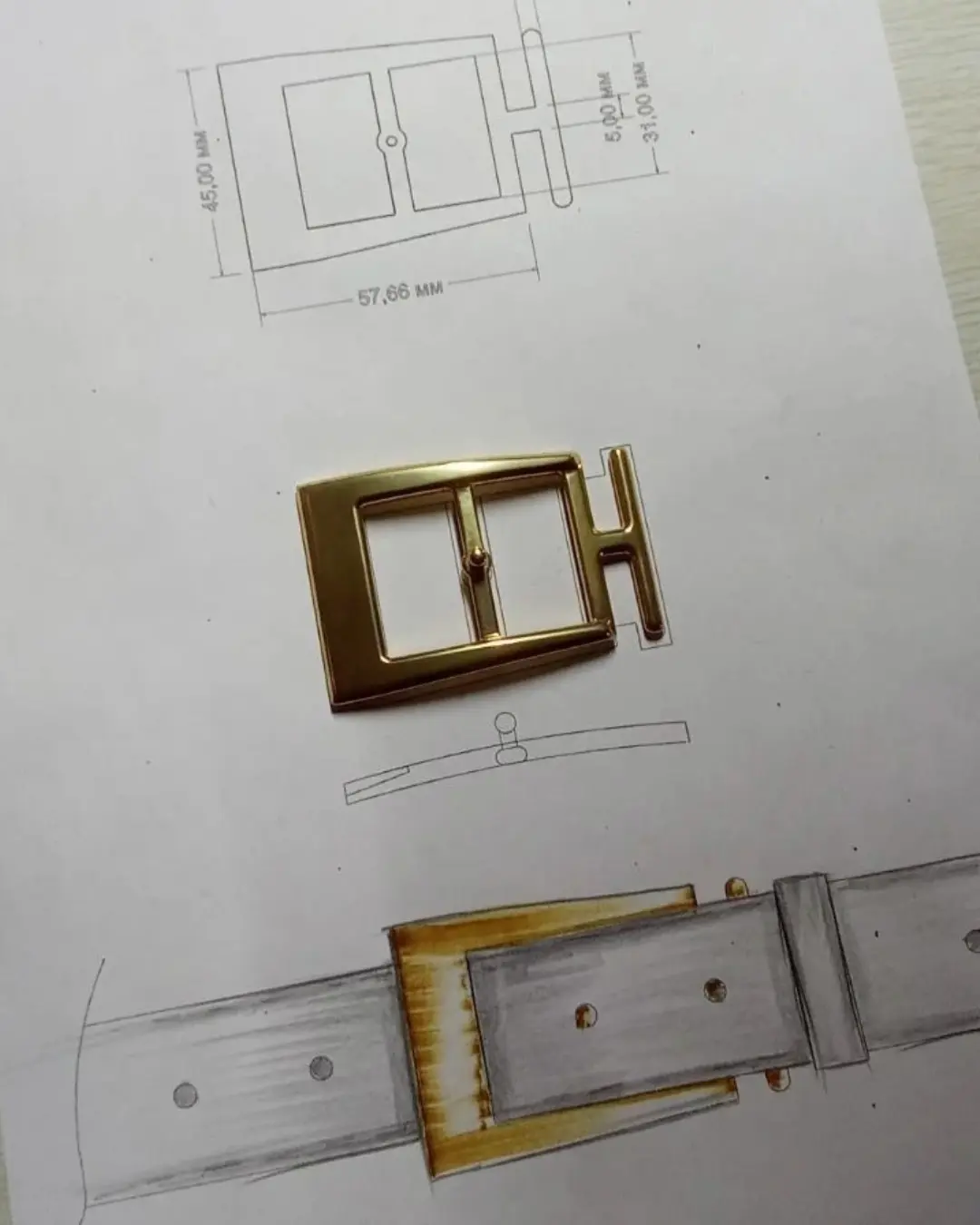

03 / Check design fit
A material change can alter the way a bag holds its shape, folds, carries weight or accepts a brand mark. Review thickness, backing, hand feel and surface finish alongside the existing construction.
The same applies to dimensions and carrying details. A wider opening, longer handle drop or different strap attachment may require changes to the pattern, reinforcement or interior.
Compare the bag material options first, then confirm the specification that works for your design and target price.
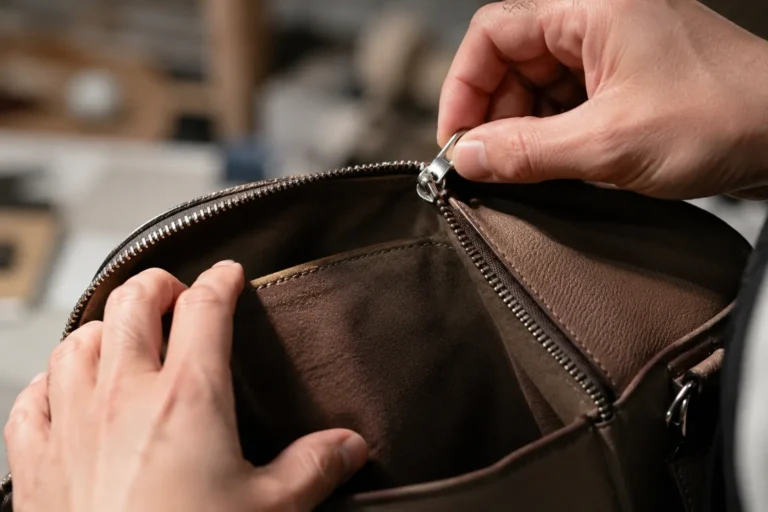
Define width, height, depth and the intended silhouette. Check how the selected material supports the shape.
Specify handle drop, strap dimensions, adjustment and detachable systems, including reinforcement at attachment points.
Review compartment access, pocket layout, lining fit and edge finishes after a material or dimension change.
04 / Make informed choices
Review the whole choice: the development work it creates, the quantity needed for materials or components, and the time needed for sampling and approval. A lower unit price alone does not describe the complete project.
| Decision | Cost & quantity factors | Timing factors | What to confirm |
|---|---|---|---|
| Dedicated hardware | Tooling, component specification, finish and component minimums. | Drawing review, tooling, sample changes and finish approval. | Dimensions, attachment, approved finish and development charges. |
| New material or color | Material availability, colorway quantity and supplier minimums. | Sourcing, material samples and color approval. | Composition or grade, thickness, physical reference and quantity per color. |
| Logo or print method | Artwork, setup, application size and method on the chosen material. | Artwork review, application sample and any revisions. | File version, size, position, color and approved material sample. |
| Structure or interior | Pattern changes, reinforcement, components and assembly complexity. | Revised sample and functional review. | Measurements, pocket access, carry function and construction details. |
| Retail packaging | Packaging specification, setup, packing volume and handling. | Artwork, packaging samples and packing approval. | Protection, labels, box format and shipping presentation. |
Share your target price and the details that must be retained. We can compare alternatives and explain their effect on appearance, function and project requirements. Review custom hardware choices and packaging options together when assessing the overall cost.
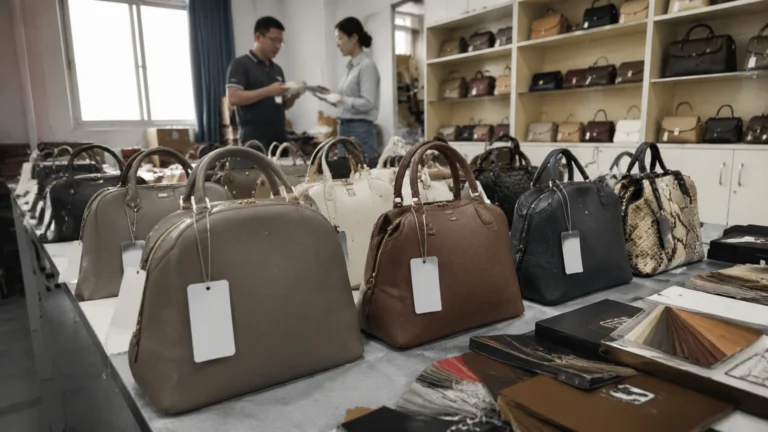
05 / Plan the complete range
When you customize handbags in bulk, a collection brief needs more than a total order quantity. List the quantity for each style and colorway, the shared components, and any exceptions.
Coordinate color references and lining specifications across the range while keeping each style’s approved details identifiable.
Identify where a logo, hardware finish, lining or label can be used across the collection.
Record different dimensions, attachments, pocket layouts and individual colorway requirements.
Review component readiness, customer approvals and required delivery batches against the actual project plan.
| Style reference | Colorway | Order quantity | Component references | Project dates |
|---|---|---|---|---|
| Style code and current specification version. | Approved body, trim and lining color references. | Required quantity for this individual colorway. | Logo, hardware, lining and packaging set; record any exceptions. | Required approval date and delivery window for the batch. |
Shared components can simplify coordination. Their price, minimum quantity and availability still need to be reviewed for the selected specifications.
06 / Confirm the specification
Turn discussions into a record your team can review. The samples and references needed depend on the change: a logo application, a new component and a revised structure may each need a different check.
Bring the tech pack, brand guidelines, artwork files, references and proposed changes into one customization list.
Identify the material swatches, color references, logo samples, components or bag samples required for review.
Track the version, measurements, placement and finish changes, including the styles and colorways affected.
Confirm the approved sample and specifications. Review any later change for its effect on cost, materials and timing.
The golden sample works alongside the recorded material, hardware, artwork, measurements and packaging requirements. Where the project calls for it, a pre-production sample checks the combination of actual bulk materials and components.
Keep the approved version clear before new work starts. For the wider journey from design review through production, see our custom bag project process.
07 / Keep the details connected
Connect each approved detail to its style, colorway and specification version. This gives material checks, component review and repeat-order discussions a shared reference.
Materials and finishes can vary between batches. If a relevant difference or supply change affects the agreed result, the affected details need to be reviewed and confirmed before proceeding.

Compare relevant bulk materials and components with the agreed swatches, hardware finishes and sample details.
Keep logo placement, lining artwork, component specifications and packaging versions connected to the correct product reference.
Record any material, appearance or specification difference and clarify which approval is needed before it is adopted.
Keep patterns, the BOM, approved samples, component references and revision history available for the next order review.
Include the correct packaging specifications in that record so product protection, labels and presentation are reviewed with the bag.

08 / Your project contact
Hi, I’m Tanya. I help organize your collection’s customization requirements and coordinate the material, hardware, sample comments and approvals with our team.
Send me the styles and details you already have. We can identify what should stay, what needs to change and which references are still needed before the next review. You can also learn more about my role.
Your brief does not need to be complete before you contact me. Start with the confirmed details and we can review the remaining decisions together.
 Optimized by Seraphinite Accelerator